
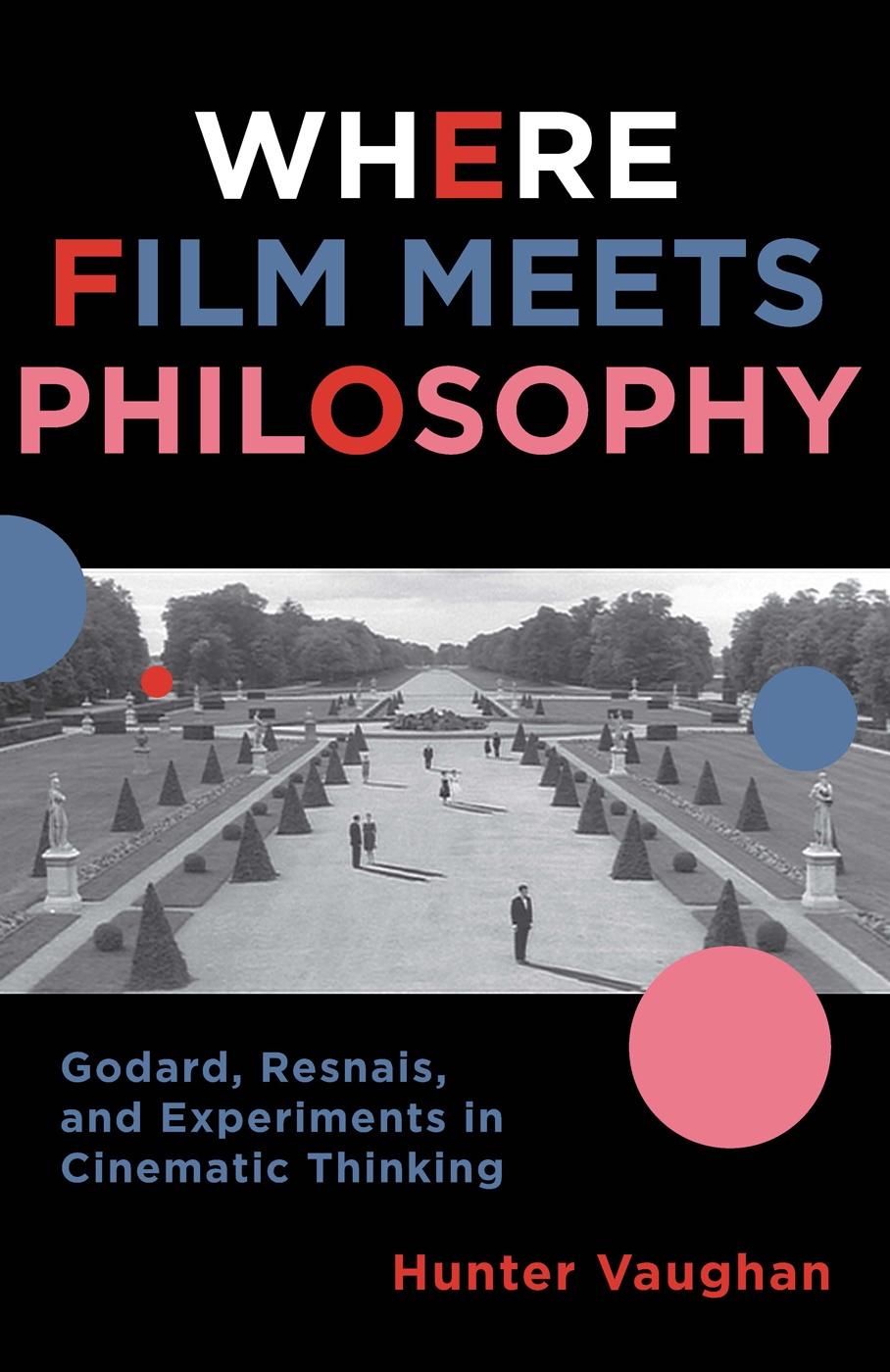
Hunter Vaughan interweaves phenomenology and semiotics to analyze cinema's ability to challenge conventional modes of thought. Merging Maurice Merleau-Ponty's phenomenology of perception with Gilles Deleuze's image-philosophy, Vaughan applies a rich theoretical framework to a comparative analysis of Jean-Luc Godard's films, which critique the audio-visual illusion of empirical observation (objectivity), and the cinema of Alain Resnais, in which the sound-image generates innovative portrayals of individual experience (subjectivity). Both filmmakers radically upend conventional film practices and challenge philosophical traditions to alter our understanding of the self, the world, and the relationship between the two. Films discussed in detail include Godard's Vivre sa vie (1962), Contempt (1963), and 2 or 3 Things I Know About Her (1967); and Resnais's Hiroshima, mon amour (1959), Last Year at Marienbad (1961), and The War Is Over (1966). Situating the formative works of these filmmakers within a broader philosophical context, Vaughan pioneers a phenomenological film semiotics linking two disparate methodologies to the mirrored achievements of two seemingly irreconcilable artists.
Zahle einfach mit Karte, Klarna, Apple Pay oder Google Pay. Nicht zufrieden? Du hast immer ein 14-tägiges Widerrufsrecht. Lies mehr in unseren AGB. Hast du Fragen, schreib uns eine E-Mail an hello@memmo.org.
Memmo macht das Lernen einfacher – wo auch immer du bist. Bei uns findest du deine Kursbücher und smarte Lerntools an einem Ort: Zusammenfassungen, Quizzes, Podcasts und Lernkarten. Und Ted, dein Lernbuddy, beantwortet alles, was du wissen möchtest. Über 50.000 Studierende lernen bereits hier – gemacht, damit du schneller lernst und weniger Stress hast.
Das könnte dir auch gefallen
Buch kaufen0