
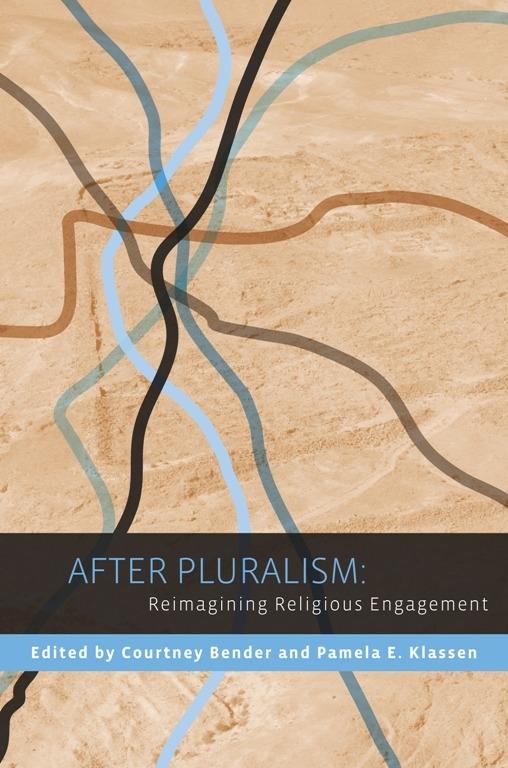
The contributors to this volume treat pluralism as a concept that is historically and ideologically produced or, put another way, as a doctrine that is embedded within a range of political, civic, and cultural institutions. Their critique considers how religious difference is framed as a problem that only pluralism can solve. Working comparatively across nations and disciplines, the essays in After Pluralism explore pluralism as a "term of art" that sets the norms of identity and the parameters of exchange, encounter, and conflict. Contributors locate pluralism's ideals in diverse sitesBroadway plays, Polish Holocaust memorials, Egyptian dream interpretations, German jails, and legal theoriesand demonstrate its shaping of political and social interaction in surprising and powerful ways. Throughout, they question assumptions underlying pluralism's discourse and its influence on the legal decisions that shape modern religious practice. Contributors do more than deconstruct this theory; they tackle what comes next. Having established the genealogy and effects of pluralism, they generate new questions for engaging the collective worlds and multiple registers in which religion operates.
Zahle einfach mit Karte, Klarna, Apple Pay oder Google Pay. Nicht zufrieden? Du hast immer ein 14-tägiges Widerrufsrecht. Lies mehr in unseren AGB. Hast du Fragen, schreib uns eine E-Mail an hello@memmo.org.
Memmo macht das Lernen einfacher – wo auch immer du bist. Bei uns findest du deine Kursbücher und smarte Lerntools an einem Ort: Zusammenfassungen, Quizzes, Podcasts und Lernkarten. Und Ted, dein Lernbuddy, beantwortet alles, was du wissen möchtest. Über 50.000 Studierende lernen bereits hier – gemacht, damit du schneller lernst und weniger Stress hast.
Das könnte dir auch gefallen
Buch kaufen0