
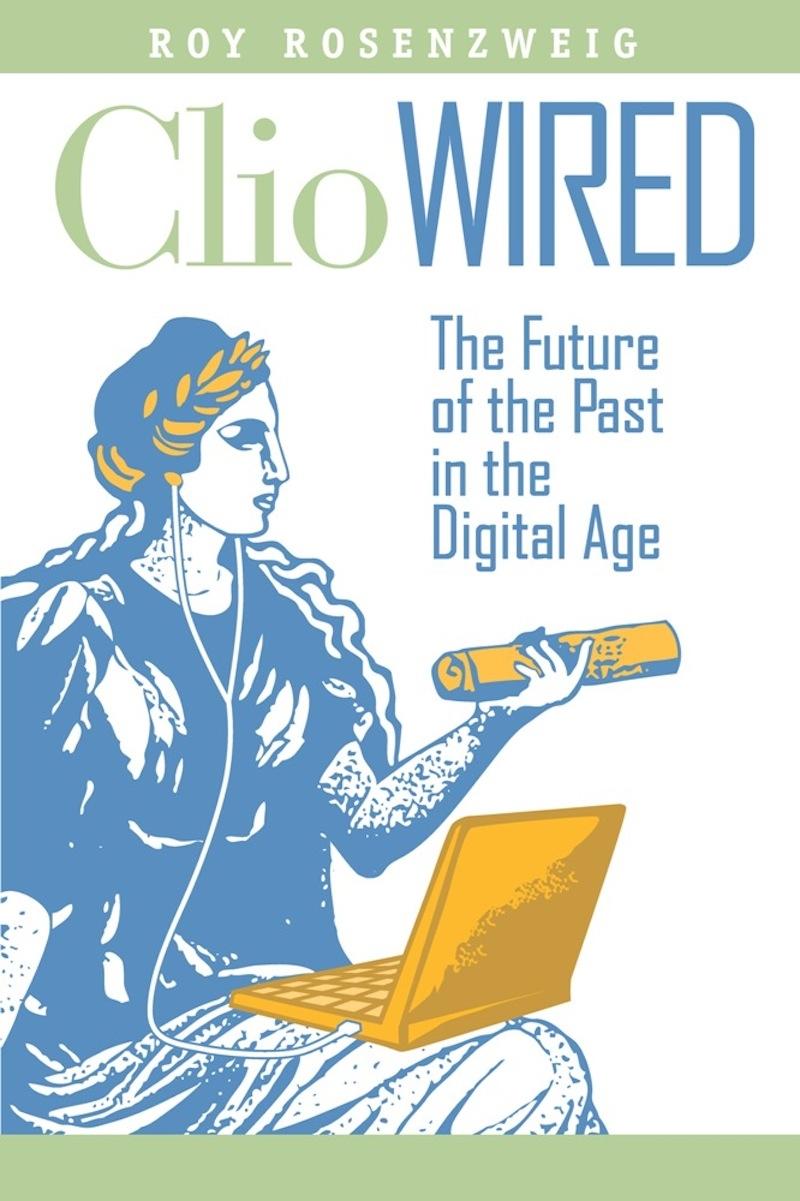
In these pathbreaking essays, Roy Rosenzweig charts the impact of new media on teaching, researching, preserving, presenting, and understanding history. Negotiating between the "cyberenthusiasts" who champion technological breakthroughs and the "digital skeptics" who fear the end of traditional humanistic scholarship, Rosenzweig re-envisions the practices and professional rites of academic historians while analyzing and advocating for the achievements of amateur historians.
While he addresses the perils of "doing history" online, Rosenzweig eloquently identifies the promises of digital work, detailing innovative strategies for powerful searches in primary and secondary sources, the increased opportunities for dialogue and debate, and, most of all, the unprecedented access afforded by the Internet. Rosenzweig draws attention to the opening up of the historical record to new voices, the availability of documents and narratives to new audiences, and the attractions of digital technologies for new and diverse practitioners. Though he celebrates digital history's democratizing influences, Rosenzweig also argues that the future of the past in this digital age can only be ensured through the active resistance to efforts by corporations to control access and profit from the Web.
Zahle einfach mit Karte, Klarna, Apple Pay oder Google Pay. Nicht zufrieden? Du hast immer ein 14-tägiges Widerrufsrecht. Lies mehr in unseren AGB. Hast du Fragen, schreib uns eine E-Mail an hello@memmo.org.
Memmo macht das Lernen einfacher – wo auch immer du bist. Bei uns findest du deine Kursbücher und smarte Lerntools an einem Ort: Zusammenfassungen, Quizzes, Podcasts und Lernkarten. Und Ted, dein Lernbuddy, beantwortet alles, was du wissen möchtest. Über 50.000 Studierende lernen bereits hier – gemacht, damit du schneller lernst und weniger Stress hast.