
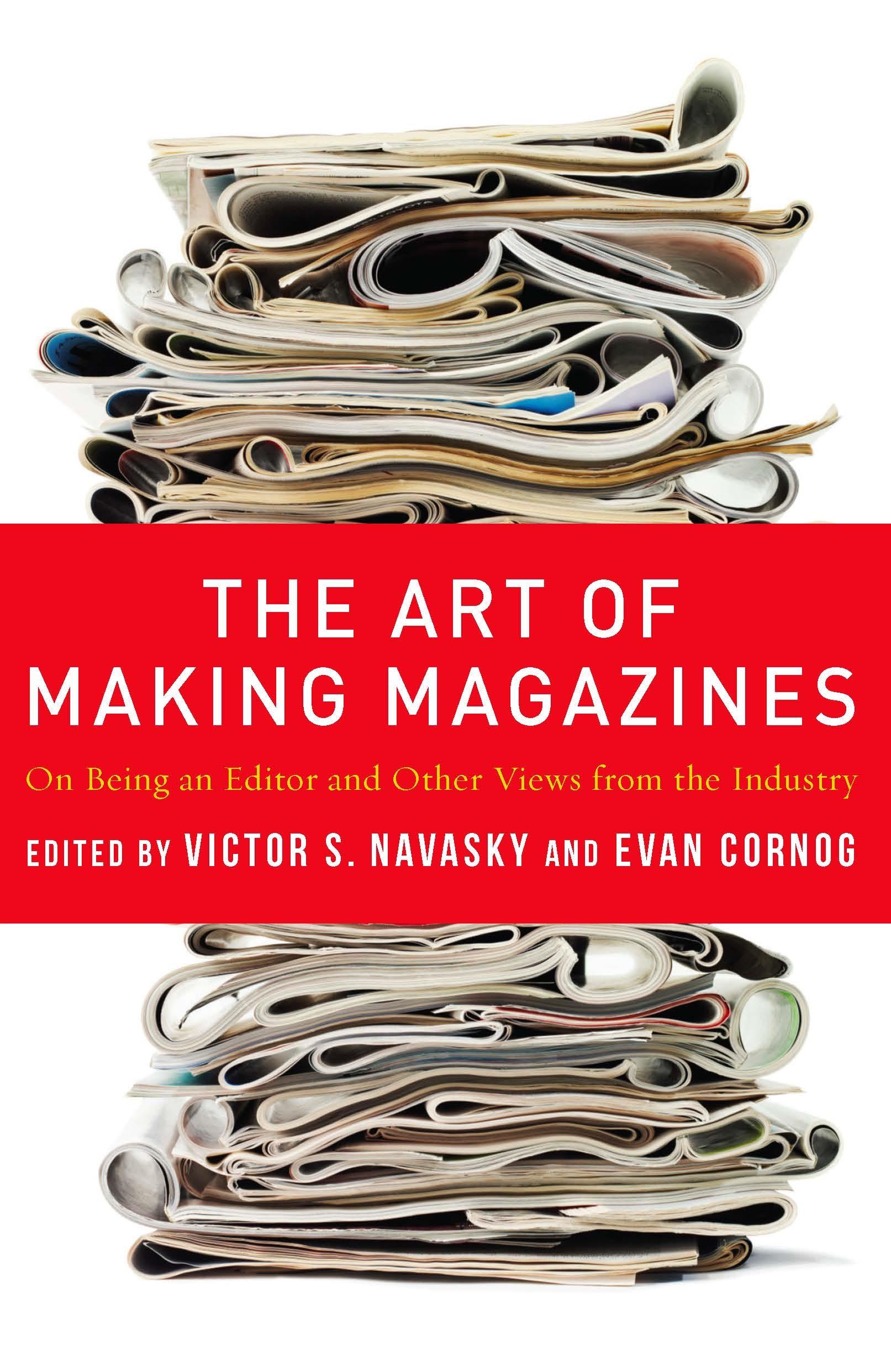
In this entertaining anthology, editors, writers, art directors, and publishers from such magazines as Vanity Fair, The New Yorker, The New Republic, Elle, and Harper's draw on their varied, colorful experiences to explore a range of issues concerning their profession. Combining anecdotes with expert analysis, these leading industry insiders speak on writing and editing articles, developing great talent, effectively incorporating art and design, and the critical relationship between advertising dollars and content. They emphasize the importance of fact checking and copyediting; share insight into managing the interests (and potential conflicts) of various departments; explain how to parlay an entry-level position into a masthead title; and weigh the increasing influence of business interests on editorial decisions. In addition to providing a rare, behind-the-scenes look at the making of successful and influential magazines, these contributors address the future of magazines in a digital environment and the ongoing importance of magazine journalism. Full of intimate reflections and surprising revelations, The Art of Making Magazines is both a how-to and a how-to-be guide for editors, journalists, students, and anyone hoping for a rare peek between the lines of their favorite magazines. The chapters are based on talks delivered as part of the George Delacorte Lecture Series at the Columbia School of Journalism.
Essays include: "Talking About Writing for Magazines (Which One Shouldn't Do)" by John Gregory Dunne; "Magazine Editing Then and Now" by Ruth Reichl; "How to Become the Editor in Chief of Your Favorite Women's Magazine" by Roberta Myers; "Editing a Thought-Leader Magazine" by Michael Kelly; "Fact-Checking at The New Yorker" by Peter Canby; "A Magazine Needs Copyeditors Because...." by Barbara Walraff; "How to Talk to the Art Director" by Chris Dixon; "Three Weddings and a Funeral" by Tina Brown; "The Simpler the Idea, the Better" by Peter W. Kaplan; "The Publisher's Role: Crusading Defender of the First Amendment or Advertising Salesman?" by John R. MacArthur; "Editing Books Versus Editing Magazines" by Robert Gottlieb; and "The Reader Is King" by Felix Dennis
Zahle einfach mit Karte, Klarna, Apple Pay oder Google Pay. Nicht zufrieden? Du hast immer ein 14-tägiges Widerrufsrecht. Lies mehr in unseren AGB. Hast du Fragen, schreib uns eine E-Mail an hello@memmo.org.
Memmo macht das Lernen einfacher – wo auch immer du bist. Bei uns findest du deine Kursbücher und smarte Lerntools an einem Ort: Zusammenfassungen, Quizzes, Podcasts und Lernkarten. Und Ted, dein Lernbuddy, beantwortet alles, was du wissen möchtest. Über 50.000 Studierende lernen bereits hier – gemacht, damit du schneller lernst und weniger Stress hast.