
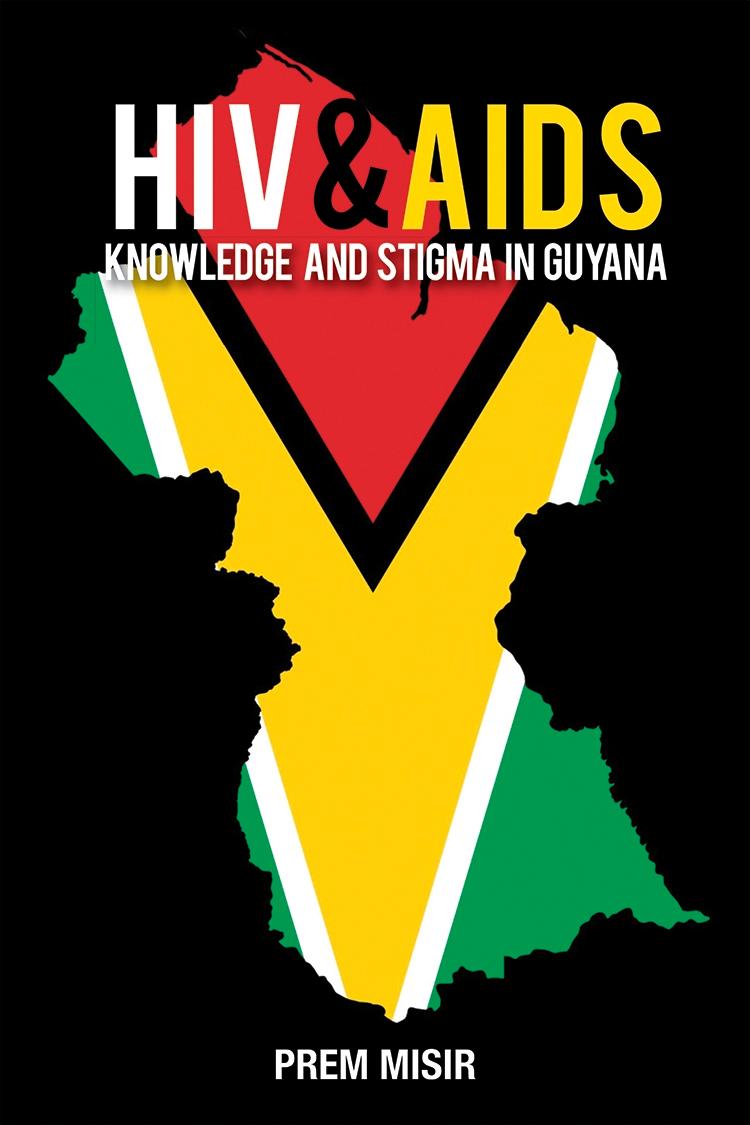
This cross-sectional study used a purposive sample of 379 high school students from fifteen urban and rural high schools in Guyana and assessed their HIV and AIDS knowledge and stigma-related attitudes, and the relationships among gender, age, religion, and race/ethnicity and HIV and AIDS knowledge. Most of the high school students displayed an overall moderate level of HIV and AIDS knowledge. The students understood the modes of HIV transmission; they recognized the symptoms of HIV and AIDS; nearly half of them believed that a blood donor was at risk of contracting HIV; and about one-fifth of the students embraced myths and misconceptions surrounding HIV and AIDS.
There was no statistically significant difference in the knowledge scores of male and female students. Knowledge scores, nevertheless, differed significantly between the 13 to 15 and 16 to 18 age groups, and among the religious and ethnic groups. Stigma-related attitude scores did not differ significantly for gender and age, but differed significantly for religion and ethnicity among students. The study showed fissures in HIV/AIDS knowledge and substantial stigma-related attitudes. Limited understanding of the myths and misconceptions of HIV and AIDS demands a new focus on how HIV is not transmitted through moving beyond conventional strategies toward a social constructivist approach.
This book is essential reading for medical professionals, policymakers and educators throughout the Caribbean region.
Betal nemt med kort, Klarna, Apple Pay eller Google Pay. Ikke tilfreds? Du har altid 14 dages fortrydelsesret. Læs mere i vores vilkår. Har du spørgsmål, så send os en mail på hello@memmo.org.
Memmo gør det nemmere at studere – uanset hvor du er i verden. Hos os samler du dine kursusbøger og smarte studieværktøjer ét sted: resuméer, quizzer, podcasts og flashcards. Og så er der Ted, din studieven, der svarer på alt, du undrer dig over. Over 50 000 studerende studerer allerede her – bygget til at hjælpe dig med at lære hurtigere og stresse mindre.