
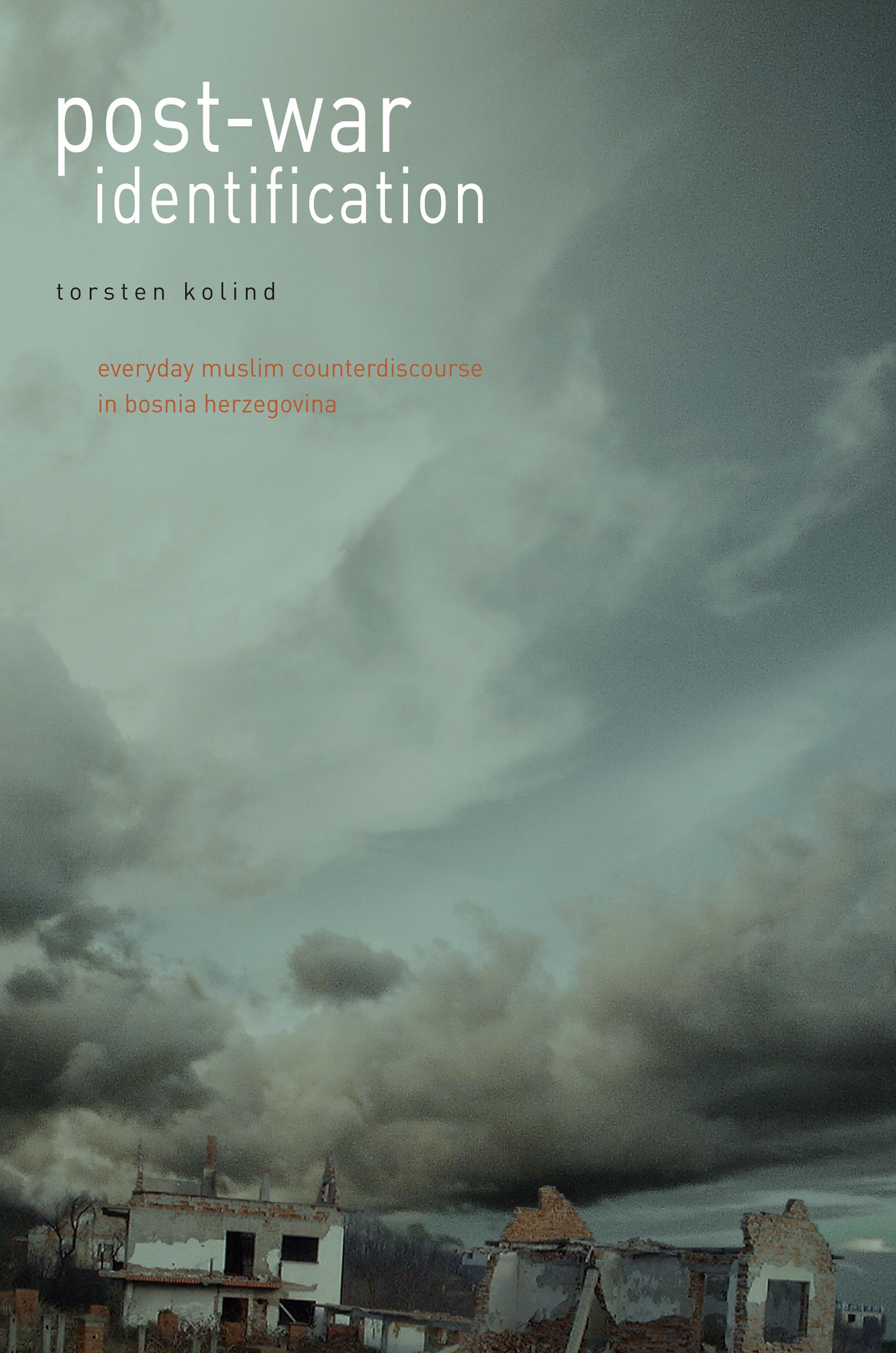
Stolac, the town of departure for this book and the site where the author conducted fieldwork, is located in the south-western corner of Bosnia Herzegovina. The war in Bosnia Herzegovina (1992-95) was initially an act of aggression and territorial conquest instigated by Serbian political leaders. However, as the war progressed, it increasingly came to consist of several minor wars, one of them fought in Western Bosnia Herzegovina between Croatian and Muslim forces. This was the one that affected the inhabitants of Stolac the most. Before the war, ethnic identity in Bosnia Herzegovina was only one identity among others, and ethnic differences were embedded in everyday practices. Today, ethnic difference is all there is. The Muslims of Stolac are fully aware that as Muslims, they constitute a totally separate group - and that ethnic identity is by far the most important form of identity in present-day Bosnia Herzegovina. In that regard the nationalist project has succeeded. Such a crystallisation and explication of identity fits in well with the structurally inspired anthropology of war and violence, which theorises that the function of violence is to create unambiguous identities. However, Post-War Identities shows that for the Muslims of Stolac, the creation of unambiguous ethnic identities is only half the story.
Betal nemt med kort, Klarna, Apple Pay eller Google Pay. Ikke tilfreds? Du har altid 14 dages fortrydelsesret. Læs mere i vores vilkår. Har du spørgsmål, så send os en mail på hello@memmo.org.
Memmo gør det nemmere at studere – uanset hvor du er i verden. Hos os samler du dine kursusbøger og smarte studieværktøjer ét sted: resuméer, quizzer, podcasts og flashcards. Og så er der Ted, din studieven, der svarer på alt, du undrer dig over. Over 50 000 studerende studerer allerede her – bygget til at hjælpe dig med at lære hurtigere og stresse mindre.
Du kan måske også lide
Køb bogen0