
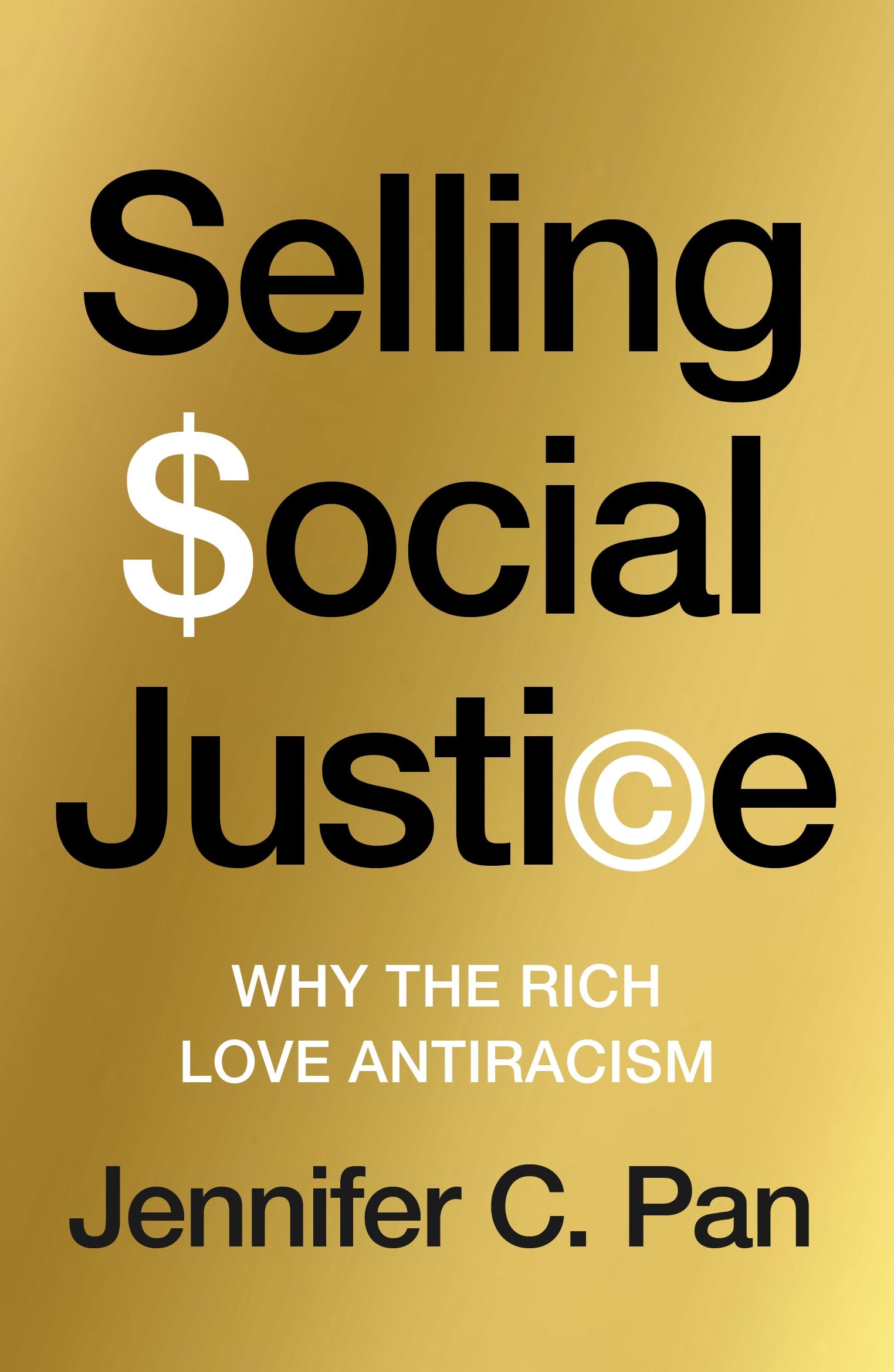
The national racial reckoning that began in 2020 promised to radically restructure American society from the bottom up. But five years on, it has mainly served to strengthen the ruling class and deliver the rich an opportunity to rehabilitate a profoundly unequal economic order precisely at a moment when the stability of the system and the public's trust in it are drastically deteriorating.
Corporations have used antiracism to consolidate their political power and evade government regulation. Employers have surveilled and undermined workers through counterproductive diversity, equity, and inclusion trainings. Affluent professionals and Democratic politicians have exacerbated a stark class divide by pushing half-baked "racial equity" policies that come at the expense of the majority of working people. And the right has reacted to these developments by stoking a toxic culture war against "wokeness" that serves only as a distraction from the increasing economic hardship faced by Americans of all races.
Selling Social Justice investigates the rise and spread of contemporary antiracist ideology and shows how the rich came to embrace this particular form of justice. In this provocative and thoroughly researched account, Jennifer C. Pan explores why, in a twenty-first-century economy of increasing scarcity, antiracism is the wrong frame for understanding and fighting inequality.
Corporations have used antiracism to consolidate their political power and evade government regulation. Employers have surveilled and undermined workers through counterproductive diversity, equity, and inclusion trainings. Affluent professionals and Democratic politicians have exacerbated a stark class divide by pushing half-baked "racial equity" policies that come at the expense of the majority of working people. And the right has reacted to these developments by stoking a toxic culture war against "wokeness" that serves only as a distraction from the increasing economic hardship faced by Americans of all races.
Selling Social Justice investigates the rise and spread of contemporary antiracist ideology and shows how the rich came to embrace this particular form of justice. In this provocative and thoroughly researched account, Jennifer C. Pan explores why, in a twenty-first-century economy of increasing scarcity, antiracism is the wrong frame for understanding and fighting inequality.
Betal nemt med kort, Klarna, Apple Pay eller Google Pay. Ikke tilfreds? Du har altid 14 dages fortrydelsesret. Læs mere i vores vilkår. Har du spørgsmål, så send os en mail på hello@memmo.org.
Memmo gør det nemmere at studere – uanset hvor du er i verden. Hos os samler du dine kursusbøger og smarte studieværktøjer ét sted: resuméer, quizzer, podcasts og flashcards. Og så er der Ted, din studieven, der svarer på alt, du undrer dig over. Over 50 000 studerende studerer allerede her – bygget til at hjælpe dig med at lære hurtigere og stresse mindre.
Du kan måske også lide
Køb bogen0