
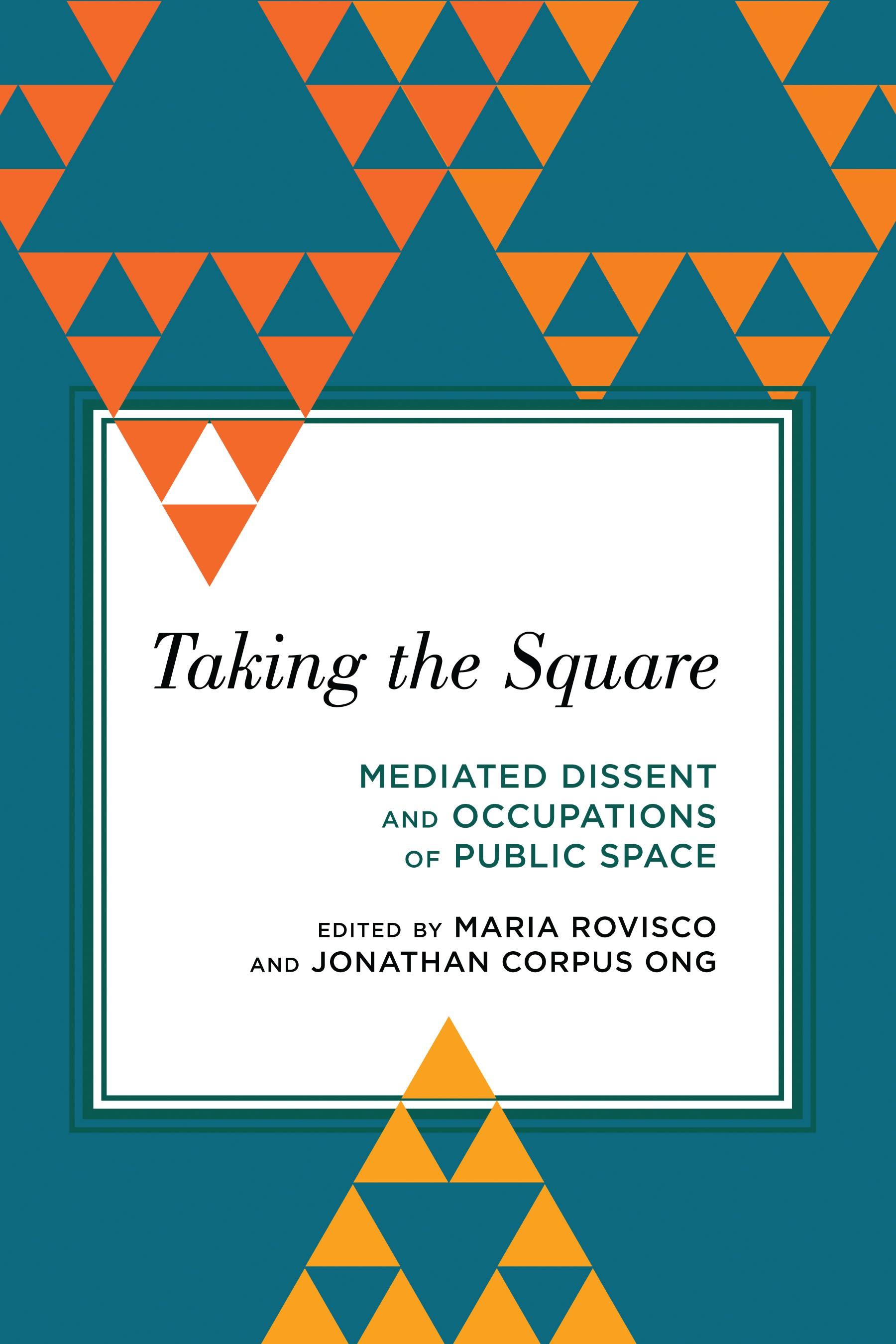
From the Arab uprisings to the indignados movement and the global Occupy sit-ins, recent protests and civil unrest have sparked new debates about political organisation, media representation and the nature of contemporary citizenship. But is there anything new about these occupations of public space? How are these protests legitimised or undermined by the intense mediation of streets and squares? And how are these different from expressions of dissent in other contexts, including those of ethnic minorities in the New Orleans mardi gras and survivors of natural disaster in the Philippines?
This book challenges the notion of a ‘disappearance of public space’ by reconsidering the significance of physical space and embodiment in the conduct and consequences of protest events. Looking at a range of assemblies–sustained and fleeting, spectacular and ordinary–this volume illuminates how square and street politics and their mediation become vehicles for new ideas of community, citizenship and public life.
This book challenges the notion of a ‘disappearance of public space’ by reconsidering the significance of physical space and embodiment in the conduct and consequences of protest events. Looking at a range of assemblies–sustained and fleeting, spectacular and ordinary–this volume illuminates how square and street politics and their mediation become vehicles for new ideas of community, citizenship and public life.
Betal nemt med kort, Klarna, Apple Pay eller Google Pay. Ikke tilfreds? Du har altid 14 dages fortrydelsesret. Læs mere i vores vilkår. Har du spørgsmål, så send os en mail på hello@memmo.org.
Memmo gør det nemmere at studere – uanset hvor du er i verden. Hos os samler du dine kursusbøger og smarte studieværktøjer ét sted: resuméer, quizzer, podcasts og flashcards. Og så er der Ted, din studieven, der svarer på alt, du undrer dig over. Over 50 000 studerende studerer allerede her – bygget til at hjælpe dig med at lære hurtigere og stresse mindre.