
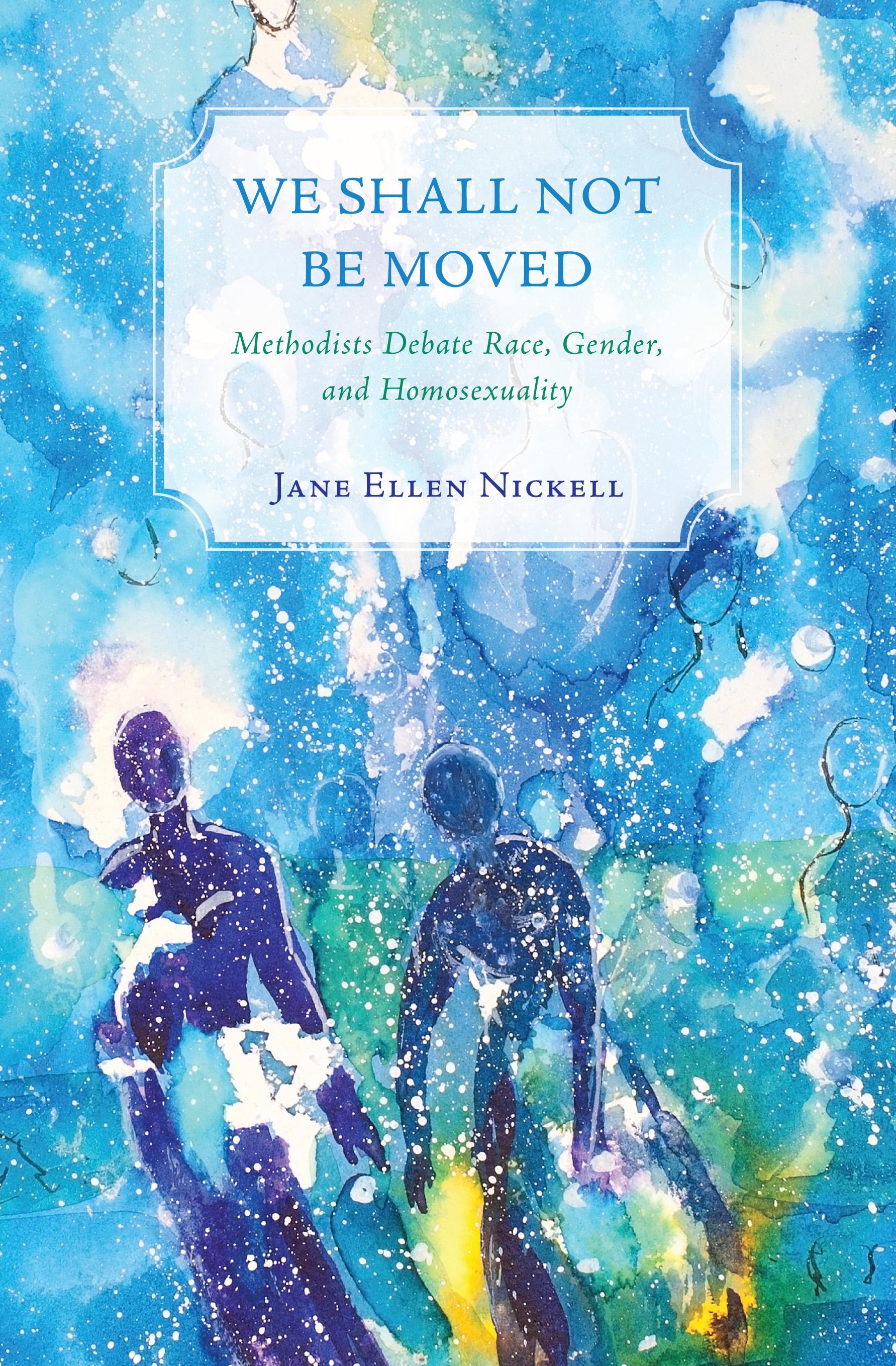
As Protestant denominations are fracturing over whether to ordain gays and lesbians, this work looks at The United Methodist Church's conversations about the issue, in light of Methodism's historic contests over the leadership of African Americans and women, to see what can be learned from these earlier periods of change. Using the uniform context of the Methodist General Conference, where denominational policy is set, the book analyzes transcripts of floor debates in key years of these struggles, letting those who argued for and against the changes speak for themselves.
Those arguments are read through the lens of French sociologist Pierre Bourdieu, whose theory offers a sophisticated model that goes deeper than simple "resistance to change" in articulating a dialectic between social structures and agents that predisposes both to reproduce existing power relationships. This interdisciplinary, historical study seeks to move beyond conscious motivations for the exclusion of these three groups and uncover deeply embedded, misrecognized social dynamics. In exploring these groups' stories, this book examines who holds power in Methodist churches, how changes in authority structures occur, and why it is such a long and painful process.
Betal nemt med kort, Klarna, Apple Pay eller Google Pay. Ikke tilfreds? Du har altid 14 dages fortrydelsesret. Læs mere i vores vilkår. Har du spørgsmål, så send os en mail på hello@memmo.org.
Memmo gør det nemmere at studere – uanset hvor du er i verden. Hos os samler du dine kursusbøger og smarte studieværktøjer ét sted: resuméer, quizzer, podcasts og flashcards. Og så er der Ted, din studieven, der svarer på alt, du undrer dig over. Over 50 000 studerende studerer allerede her – bygget til at hjælpe dig med at lære hurtigere og stresse mindre.
Du kan måske også lide
Køb bogen0