
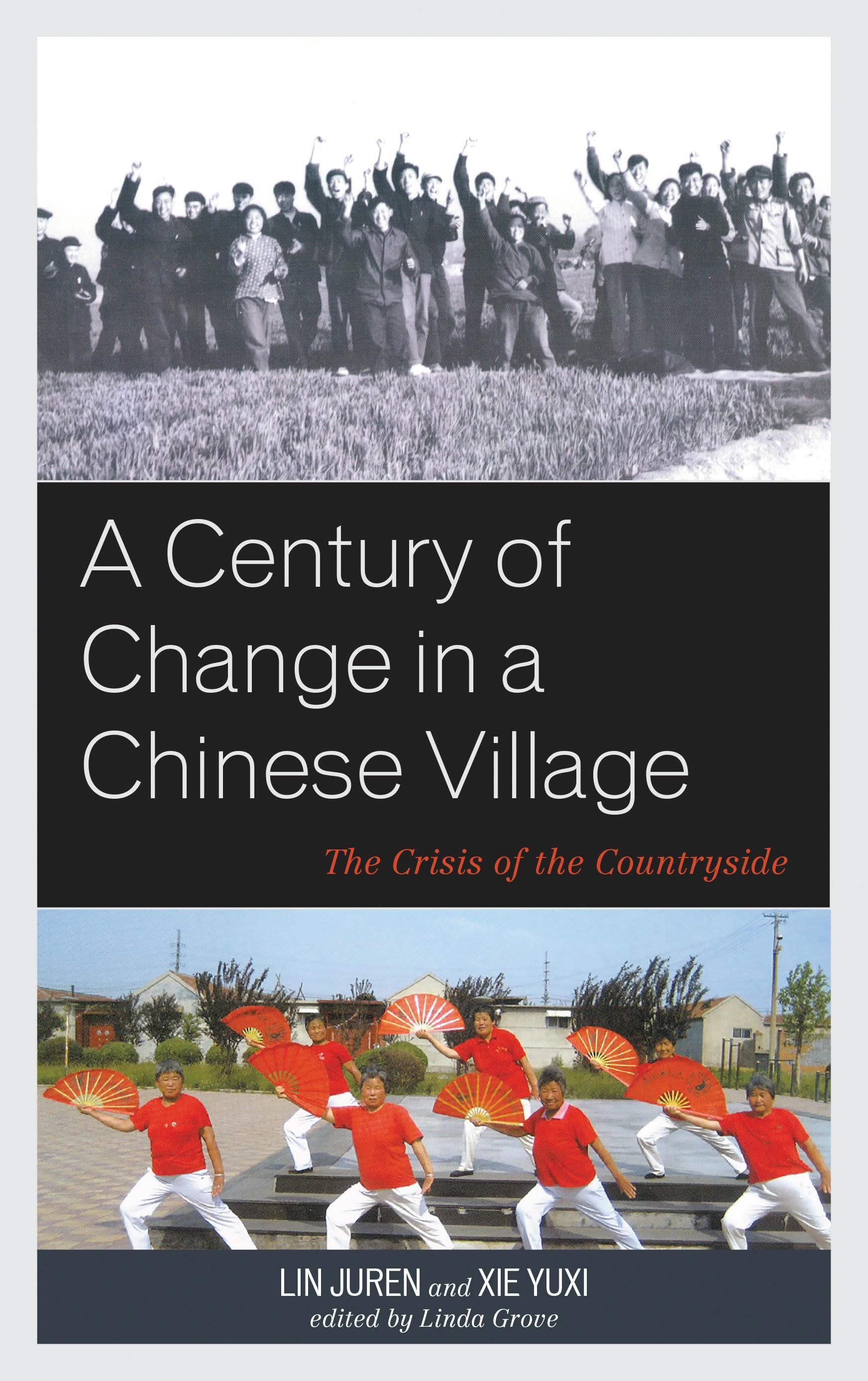
Over the last half century, China has evolved from a poor rural country to a geopolitical powerhouse. Rapid urbanization has been at the heart of that transformation, and as migrant laborers have left their villages, what has become of the rural communities that were once the center of economic, social, and cultural life? And how do contemporary Chinese scholars understand those changes? These are the questions that this compelling book answers. Lengshuigou village, located near the Shandong provincial capital of Jinan, was first studied by Japanese social scientists in the early 1940s and then again in the 1980s and 1990s. Building on these rich surveys, this book traces changes from the early twentieth century to the present day in family and lineage, social stratification, personal networks, annual and life cycle rituals, village politics, and elite formation. Drawing on their own large-scale survey of contemporary village households, the authors analyze the physical and institutional changes that have altered the community, as well as the shifts in interpersonal relations and attitudes that have upended centuries-old systems of patriarchy and generational order. This important book presents, for the first time in English, analysis by Chinese sociologists on the radical transformation of Chinese rural society.
Betal nemt med kort, Klarna, Apple Pay eller Google Pay. Ikke tilfreds? Du har altid 14 dages fortrydelsesret. Læs mere i vores vilkår. Har du spørgsmål, så send os en mail på hello@memmo.org.
Memmo gør det nemmere at studere – uanset hvor du er i verden. Hos os samler du dine kursusbøger og smarte studieværktøjer ét sted: resuméer, quizzer, podcasts og flashcards. Og så er der Ted, din studieven, der svarer på alt, du undrer dig over. Over 50 000 studerende studerer allerede her – bygget til at hjælpe dig med at lære hurtigere og stresse mindre.