
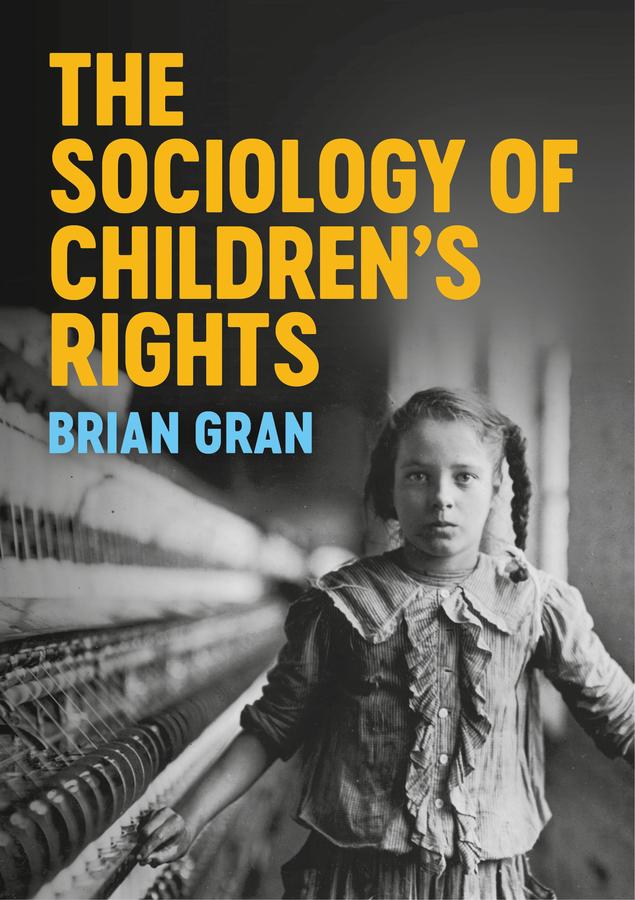
Children’s rights appear universal, inalienable, and indivisible, intended to advance young people’s interests. Yet, in practice, evidence suggests the contrary: the international framework of treaties, procedures, and national policies contains fundamental contradictions that weaken commitments to children’s real-world protections.
Brian Gran helps us understand what is at stake when children’s rights are compromised. This insightful text grounds readers in core theories and key data about children’s legal entitlements. The chapters tackle central questions about what rights accrue to young people, whether they advance equality, and how they influence children’s identities, freedoms, and societal participation. Ultimately, this book shows how current frameworks hinder young people from possessing and benefiting from human rights, arguing that they function as cynical invitations to question whether we truly believe children are endowed with human rights.
The Sociology of Children’s Rights offers a critical and accessible introduction to understanding a complex issue in the contemporary world, and is a compelling read for students and researchers concerned with human rights in sociology, political science, law, social work, and childhood studies.
Betal nemt med kort, Klarna, Apple Pay eller Google Pay. Ikke tilfreds? Du har altid 14 dages fortrydelsesret. Læs mere i vores vilkår. Har du spørgsmål, så send os en mail på hello@memmo.org.
Memmo gør det nemmere at studere – uanset hvor du er i verden. Hos os samler du dine kursusbøger og smarte studieværktøjer ét sted: resuméer, quizzer, podcasts og flashcards. Og så er der Ted, din studieven, der svarer på alt, du undrer dig over. Over 50 000 studerende studerer allerede her – bygget til at hjælpe dig med at lære hurtigere og stresse mindre.