
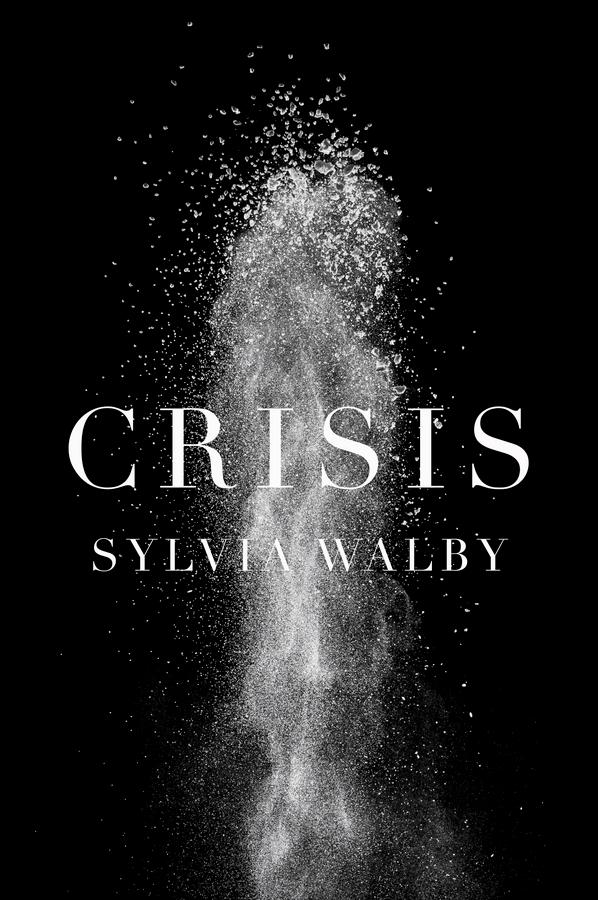
We are living in a time of crisis which has cascaded through society. Financial crisis has led to an economic crisis of recession and unemployment; an ensuing fiscal crisis over government deficits and austerity has led to a political crisis which threatens to become a democratic crisis. Borne unevenly, the effects of the crisis are exacerbating class and gender inequalities.
Rival interpretations – a focus on ‘austerity’ and reduction in welfare spending versus a focus on ‘financial crisis’ and democratic regulation of finance – are used to justify radically diverse policies for the distribution of resources and strategies for economic growth, and contested gender relations lie at the heart of these debates. The future consequences of the crisis depend upon whether there is a deepening of democratic institutions, including in the European Union.
Sylvia Walby offers an alternative framework within which to theorize crisis, drawing on complexity science and situating this within the wider field of study of risk, disaster and catastrophe. In doing so, she offers a critique and revision of the social science needed to understand the crisis.
Betal nemt med kort, Klarna, Apple Pay eller Google Pay. Ikke tilfreds? Du har altid 14 dages fortrydelsesret. Læs mere i vores vilkår. Har du spørgsmål, så send os en mail på hello@memmo.org.
Memmo gør det nemmere at studere – uanset hvor du er i verden. Hos os samler du dine kursusbøger og smarte studieværktøjer ét sted: resuméer, quizzer, podcasts og flashcards. Og så er der Ted, din studieven, der svarer på alt, du undrer dig over. Over 50 000 studerende studerer allerede her – bygget til at hjælpe dig med at lære hurtigere og stresse mindre.