
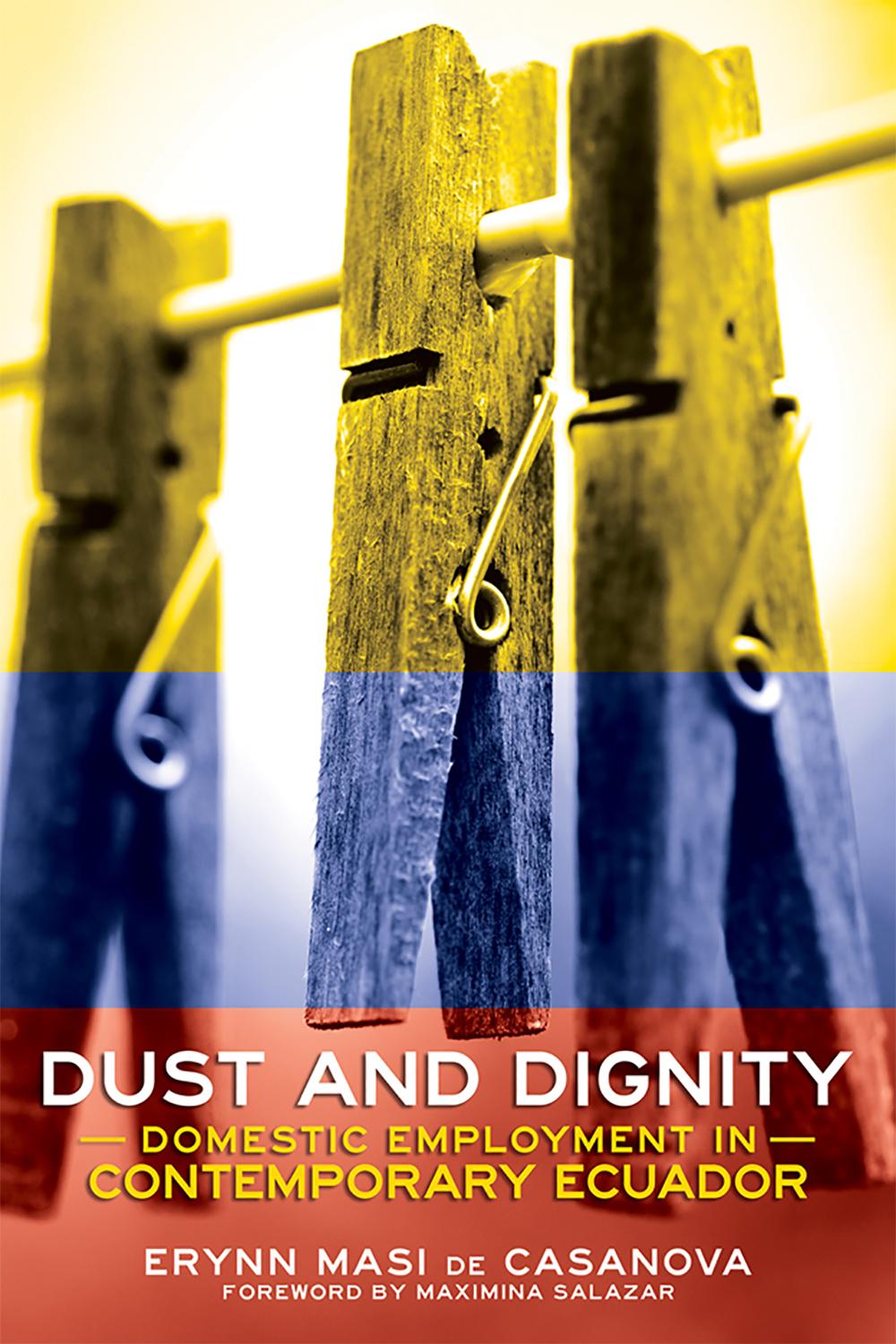
What makes domestic work a bad job, even after efforts to formalize and improve working conditions? Erynn Masi de Casanova's case study, based partly on collaborative research conducted with Ecuador's pioneer domestic workers' organization, examines three reasons for persistent exploitation. First, the tasks of social reproduction are devalued. Second, informal work arrangements escape regulation. And third, unequal class relations are built into this type of employment. Accessible to advocates and policymakers as well as academics, this book provides both theoretical discussions about domestic work and concrete ideas for improving women's lives.
Drawing on workers' stories of lucha, trabajo, and sacrificio—struggle, work, and sacrifice—Dust and Dignity offers a new take on an old occupation. From the intimate experience of being a body out of place in an employer's home, to the common work histories of Ecuadorian women in different cities, to the possibilities for radical collective action at the national level, Casanova shows how and why women do this stigmatized and precarious work and how they resist exploitation in the search for dignified employment. From these searing stories of workers' lives, Dust and Dignity identifies patterns in domestic workers' experiences that will be helpful in understanding the situation of workers elsewhere and offers possible solutions for promoting and ensuring workers' rights that have relevance far beyond Ecuador.
Betal nemt med kort, Klarna, Apple Pay eller Google Pay. Ikke tilfreds? Du har altid 14 dages fortrydelsesret. Læs mere i vores vilkår. Har du spørgsmål, så send os en mail på hello@memmo.org.
Memmo gør det nemmere at studere – uanset hvor du er i verden. Hos os samler du dine kursusbøger og smarte studieværktøjer ét sted: resuméer, quizzer, podcasts og flashcards. Og så er der Ted, din studieven, der svarer på alt, du undrer dig over. Over 50 000 studerende studerer allerede her – bygget til at hjælpe dig med at lære hurtigere og stresse mindre.