
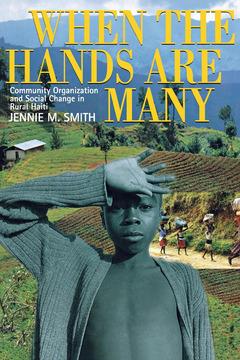
In an ethnography that challenges standard approaches to understanding the poor and disempowered, Jennie M. Smith's descriptions of peasant activity change what constitutes a democratic society. Through their civil institutions and artistic expression, Haitian peasants, widely known as some of the world's most impoverished, politically disempowered, and illiterate citizens, debate the meanings of development, democracy, and the public good.
Smith offers a historically grounded overview of how the Haitian state and certain foreign powers have sought to develop rural Haiti and relates how Haitian peasants have responded to such efforts through words and deeds. The author argues that songs called chante pwen serve as "melodic machetes," a tool with which the peasants make their voices heard in many social circumstances.
When the Hands Are Many illustrates the philosophies, styles, and structures typical of social organization in rural Haiti with narrative portraits of peasant organizations engaged in agricultural work parties, business meetings, religious ceremonies, social service projects, song sessions, and other activities. Smith integrates these organizations' strengths into a new vision for social change and asks what must happen in Haiti and elsewhere to facilitate positive transformation in the world today.
Betal nemt med kort, Klarna, Apple Pay eller Google Pay. Ikke tilfreds? Du har altid 14 dages fortrydelsesret. Læs mere i vores vilkår. Har du spørgsmål, så send os en mail på hello@memmo.org.
Memmo gør det nemmere at studere – uanset hvor du er i verden. Hos os samler du dine kursusbøger og smarte studieværktøjer ét sted: resuméer, quizzer, podcasts og flashcards. Og så er der Ted, din studieven, der svarer på alt, du undrer dig over. Over 50 000 studerende studerer allerede her – bygget til at hjælpe dig med at lære hurtigere og stresse mindre.