
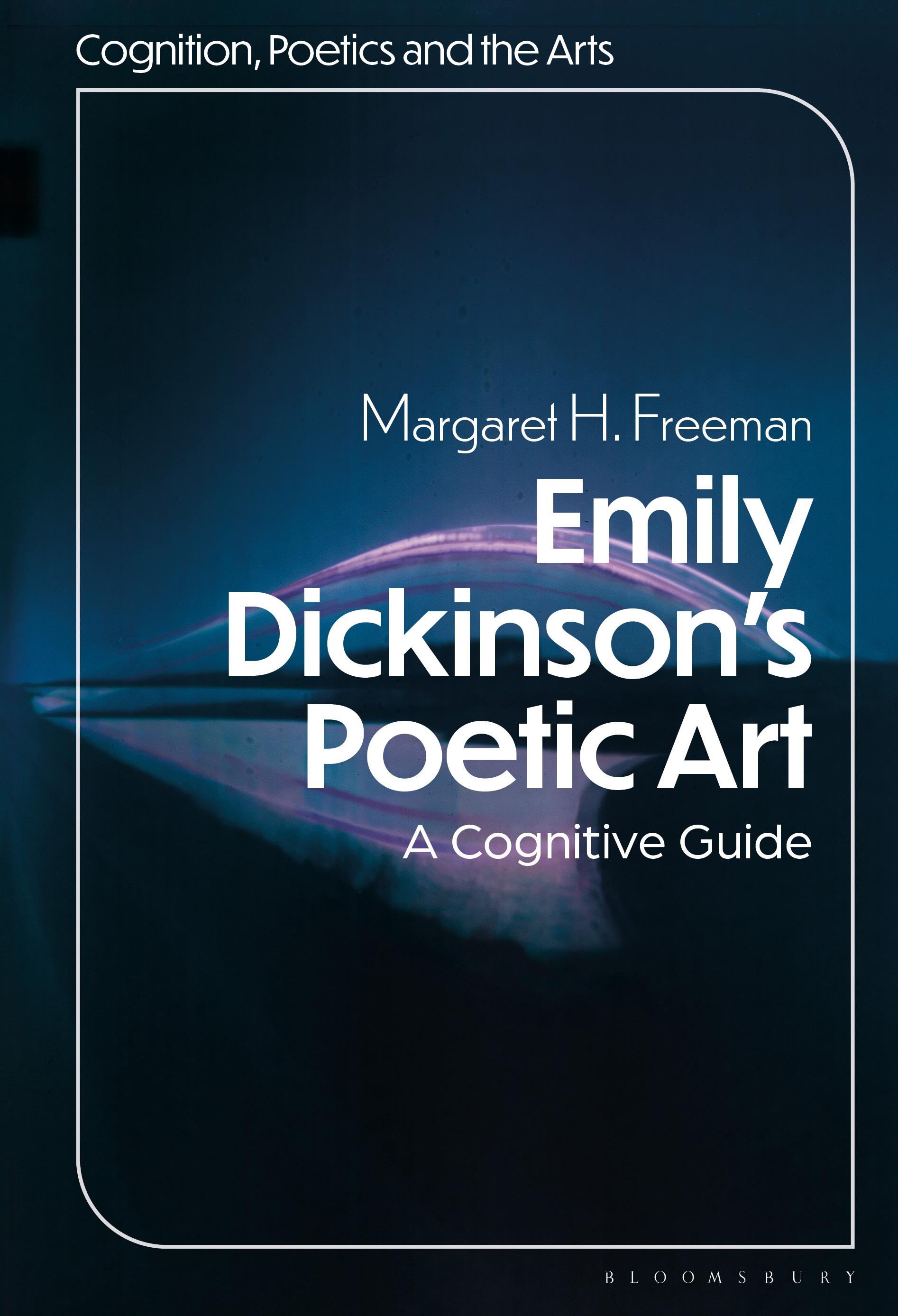
Winner of the Literary Encyclopedia 2024 Book Prize, in the category of literatures originally written in English.
Emily Dickinson's Poetic Art is both an exciting work of literary criticism on a central figure in American literature as well as an invitation for students and researchers to engage with cognitive literary studies.
Emily Dickinson's poetry can be challenging and difficult. It paradoxically gives readers a feeling of closeness and intimacy while being puzzling and obscure. Critical interpretations of Dickinson's poems tend to focus on what they mean rather than on what kind of experience they create. A cognitive approach to literary criticism, based on recent cognitive research, helps readers experience and understand the hows and whys of what a poem is saying and doing. These include cognitive linguistic analysis, versification, prosody, cognitive metaphor, schema, blending, and iconicity, all of which explain the sensory, motor, and emotive processes that motivate Dickinson's conceptualizations.
By experiencing Dickinson's poetry from a cognitive perspective, readers are able to better understand why we feel so close to the poet and why her poetry endures. Emily Dickinson's Poetic Art: A Cognitive Reading is an important contribution to the study of a major American poet as well as to the vibrant field of cognitive literary studies.
Emily Dickinson's Poetic Art is both an exciting work of literary criticism on a central figure in American literature as well as an invitation for students and researchers to engage with cognitive literary studies.
Emily Dickinson's poetry can be challenging and difficult. It paradoxically gives readers a feeling of closeness and intimacy while being puzzling and obscure. Critical interpretations of Dickinson's poems tend to focus on what they mean rather than on what kind of experience they create. A cognitive approach to literary criticism, based on recent cognitive research, helps readers experience and understand the hows and whys of what a poem is saying and doing. These include cognitive linguistic analysis, versification, prosody, cognitive metaphor, schema, blending, and iconicity, all of which explain the sensory, motor, and emotive processes that motivate Dickinson's conceptualizations.
By experiencing Dickinson's poetry from a cognitive perspective, readers are able to better understand why we feel so close to the poet and why her poetry endures. Emily Dickinson's Poetic Art: A Cognitive Reading is an important contribution to the study of a major American poet as well as to the vibrant field of cognitive literary studies.
Betal nemt med kort, Klarna, Apple Pay eller Google Pay. Ikke tilfreds? Du har altid 14 dages fortrydelsesret. Læs mere i vores vilkår. Har du spørgsmål, så send os en mail på hello@memmo.org.
Memmo gør det nemmere at studere – uanset hvor du er i verden. Hos os samler du dine kursusbøger og smarte studieværktøjer ét sted: resuméer, quizzer, podcasts og flashcards. Og så er der Ted, din studieven, der svarer på alt, du undrer dig over. Over 50 000 studerende studerer allerede her – bygget til at hjælpe dig med at lære hurtigere og stresse mindre.