
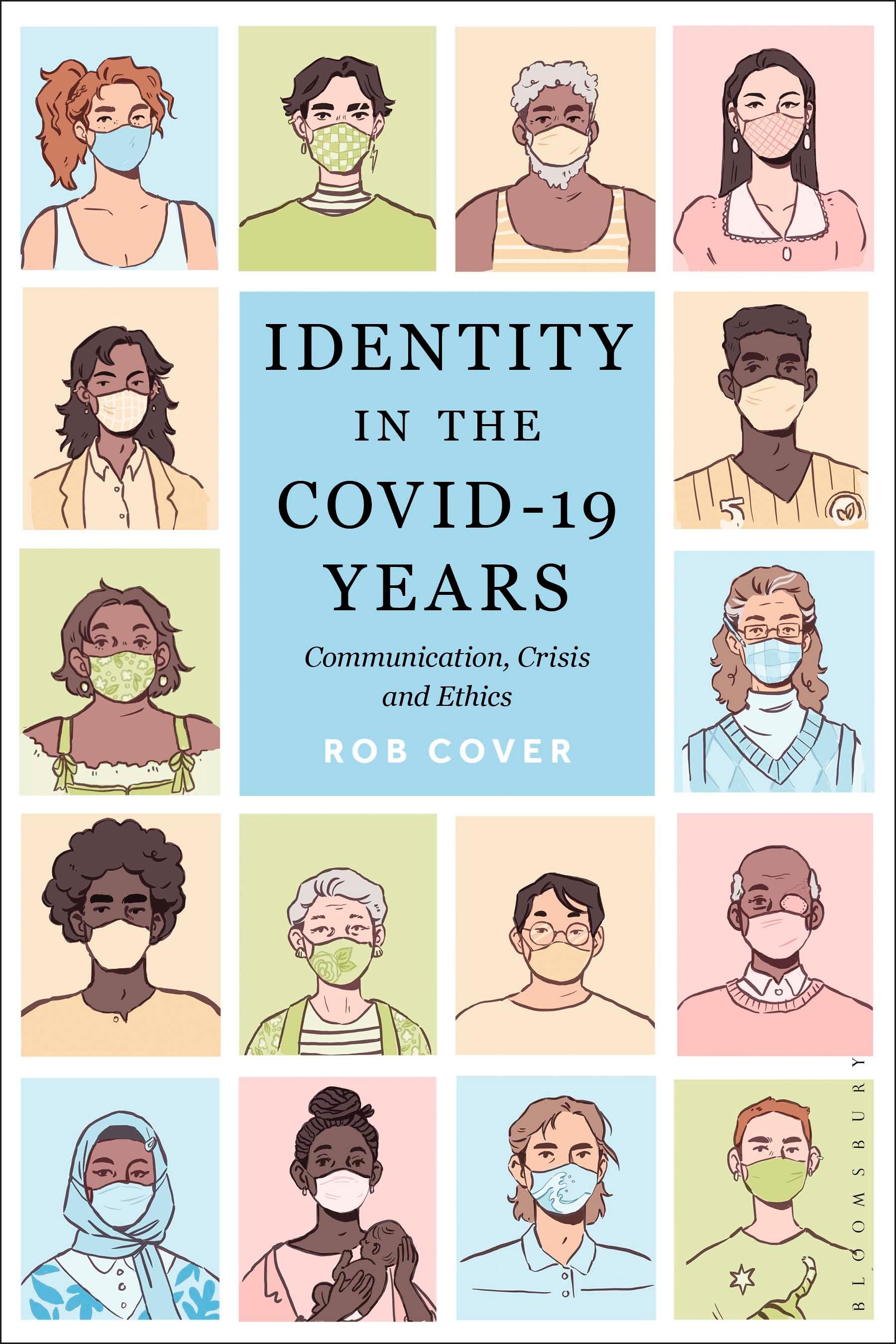
Identity in the Covid-19 Years explores the how the COVID-19 pandemic has been represented in media, communication and culture, and the role these changes have played in renewing how we understand identity, engage in social belonging and relate ethically to each other and the world.
This book explores how the COVID-19 pandemic has had a significant impact on how we perform our identities, engage in social belonging, and communicate with each other. Understanding the onset of the pandemic as a moment experienced as cultural rupture, Cover provides a framework for understanding how selfhood, belonging, relationships and perceptions of time and space have undergone a disruption that not only is damaging to continuity and stability but also provides positive value through renewal and the re-making of the self and ways of living ethically.
Drawing on philosophic, media and cultural studies approaches, this book describes how networks of mutual care and global interdependency have been powerfully drawn out by the experience of the pandemic, yet also disavowed in some settings in favour of a problem individualism and sustained inequalities.
The roles of disruption and interdependency are examined across an array of pandemic-related topics, including health communication, apocalyptic storytelling, lockdowns and immobilities, mask-wearing, social distancing and new practices touch, anti-vaccination discourses, and frameworks for mourning the lost past and the uncertain future. By focusing on the impact of the pandemic on identity, this work explains and revisits theories of belonging and ethics to help us understand how new ways of perceiving our vulnerability may lead to more positive, inclusive and ethical ways of living.
This book explores how the COVID-19 pandemic has had a significant impact on how we perform our identities, engage in social belonging, and communicate with each other. Understanding the onset of the pandemic as a moment experienced as cultural rupture, Cover provides a framework for understanding how selfhood, belonging, relationships and perceptions of time and space have undergone a disruption that not only is damaging to continuity and stability but also provides positive value through renewal and the re-making of the self and ways of living ethically.
Drawing on philosophic, media and cultural studies approaches, this book describes how networks of mutual care and global interdependency have been powerfully drawn out by the experience of the pandemic, yet also disavowed in some settings in favour of a problem individualism and sustained inequalities.
The roles of disruption and interdependency are examined across an array of pandemic-related topics, including health communication, apocalyptic storytelling, lockdowns and immobilities, mask-wearing, social distancing and new practices touch, anti-vaccination discourses, and frameworks for mourning the lost past and the uncertain future. By focusing on the impact of the pandemic on identity, this work explains and revisits theories of belonging and ethics to help us understand how new ways of perceiving our vulnerability may lead to more positive, inclusive and ethical ways of living.
Sider: 192
Kategori: Sociologi
e-ISBN: 9781501393693
Forsendelsesvægt: 1.2 kg
Sendes inden for: 1-2 dage
Betal nemt med kort, Klarna, Apple Pay eller Google Pay. Ikke tilfreds? Du har altid 14 dages fortrydelsesret. Læs mere i vores vilkår. Har du spørgsmål, så send os en mail på hello@memmo.org.
Memmo gør det nemmere at studere – uanset hvor du er i verden. Hos os samler du dine kursusbøger og smarte studieværktøjer ét sted: resuméer, quizzer, podcasts og flashcards. Og så er der Ted, din studieven, der svarer på alt, du undrer dig over. Over 50 000 studerende studerer allerede her – bygget til at hjælpe dig med at lære hurtigere og stresse mindre.