
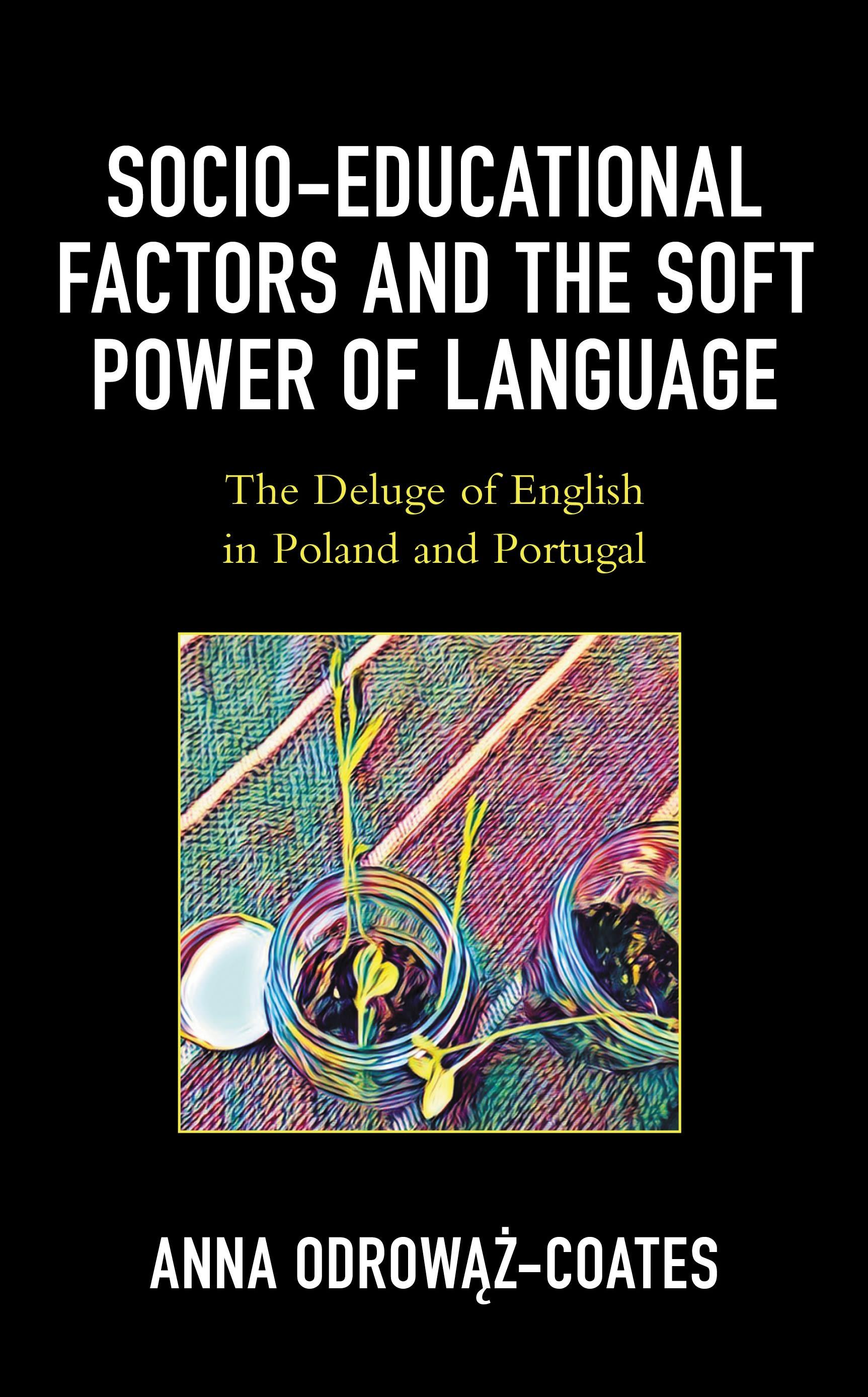
Anna Odrowaz-Coates shows that English, as a language of European integration and communication, has become an element of social status. In privileged social groups, its position has changed from a foreign language to a second language, which demonstrates a linguistic shift with long-term consequences. Socio-educational Factors and Soft Power of Language critically examines the cultural and individual implications of this phenomenon in the context of field study in Poland and Portugal. Odrowaz-Coates uses institutional ethnography with a combination of theoretical constructs, including “soft power” and “positioning theory,” to examine evidence of English as a new tool for social stratification and its effect on language policies as well as the ways in which it impacts people's lives and their opportunities. Whilst critical of the neoliberal, neo-colonial, and imperialistic dimensions of English language hegemony, Odrowaz-Coates argues for a gendered perspective of English as a language of opportunity, inclusion, and empowerment. She focuses on discourses that are shown to be products of and the makers of the material aspects of language. Using an ethical imperative not only to question, but also to participate in the existing power structures in order to change the power dynamic, Odrowaz-Coates argues that language choices are not necessarily individually driven but are instead institutionally driven.
Betal nemt med kort, Klarna, Apple Pay eller Google Pay. Ikke tilfreds? Du har altid 14 dages fortrydelsesret. Læs mere i vores vilkår. Har du spørgsmål, så send os en mail på hello@memmo.org.
Memmo gør det nemmere at studere – uanset hvor du er i verden. Hos os samler du dine kursusbøger og smarte studieværktøjer ét sted: resuméer, quizzer, podcasts og flashcards. Og så er der Ted, din studieven, der svarer på alt, du undrer dig over. Over 50 000 studerende studerer allerede her – bygget til at hjælpe dig med at lære hurtigere og stresse mindre.