
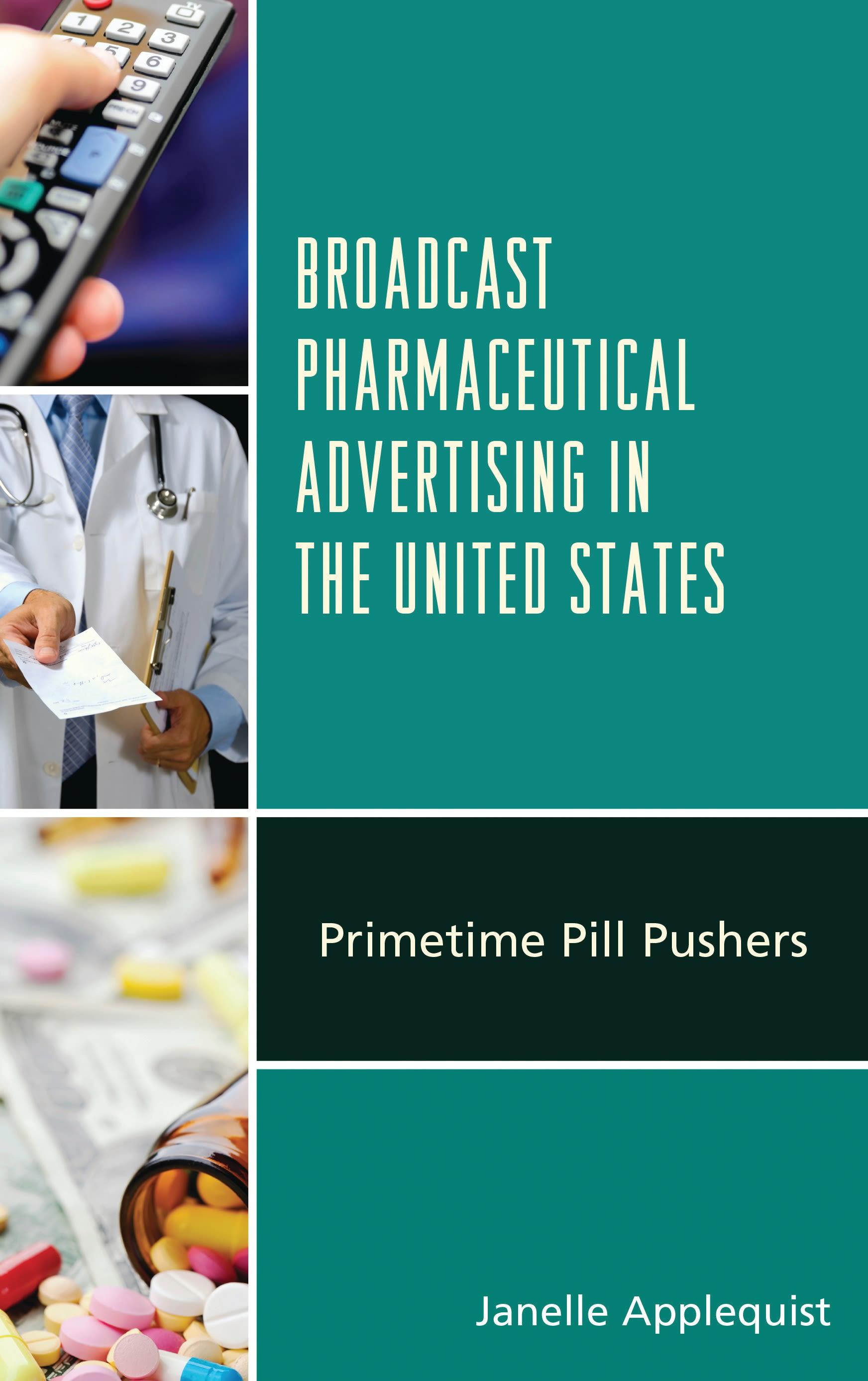
How often do we stop to recognize what pharmaceutical advertisements are telling us? Broadcast Pharmaceutical Advertising in the United States: Prime Time Pill Pushers engages with this question to include how pharmaceutical companies are shaping the meaning of drug interventions for individuals and the ways in which pharmaceutical advertisements frame issues of identity and representation for patients and health care. Such issues highlight how patients are being framed as consumers in these advertisements, which then permits the commodification of health care to be celebrated. Such a celebration has strong ideological implications, including definitions of “the good life,” patient agency, and the role of DTCAs in such depictions. By defining and discussing medicalization, pharmaceuticalization, and commodity fetishism, this book introduces how the term “pharmaceutical fetishism” can act as a means for describing the commodification of brand-name pharmaceutical drugs, which, via advertising and promotional culture, ignores large-scale production and for-profit motives of “big pharma.”
Betal nemt med kort, Klarna, Apple Pay eller Google Pay. Ikke tilfreds? Du har altid 14 dages fortrydelsesret. Læs mere i vores vilkår. Har du spørgsmål, så send os en mail på hello@memmo.org.
Memmo gør det nemmere at studere – uanset hvor du er i verden. Hos os samler du dine kursusbøger og smarte studieværktøjer ét sted: resuméer, quizzer, podcasts og flashcards. Og så er der Ted, din studieven, der svarer på alt, du undrer dig over. Over 50 000 studerende studerer allerede her – bygget til at hjælpe dig med at lære hurtigere og stresse mindre.