
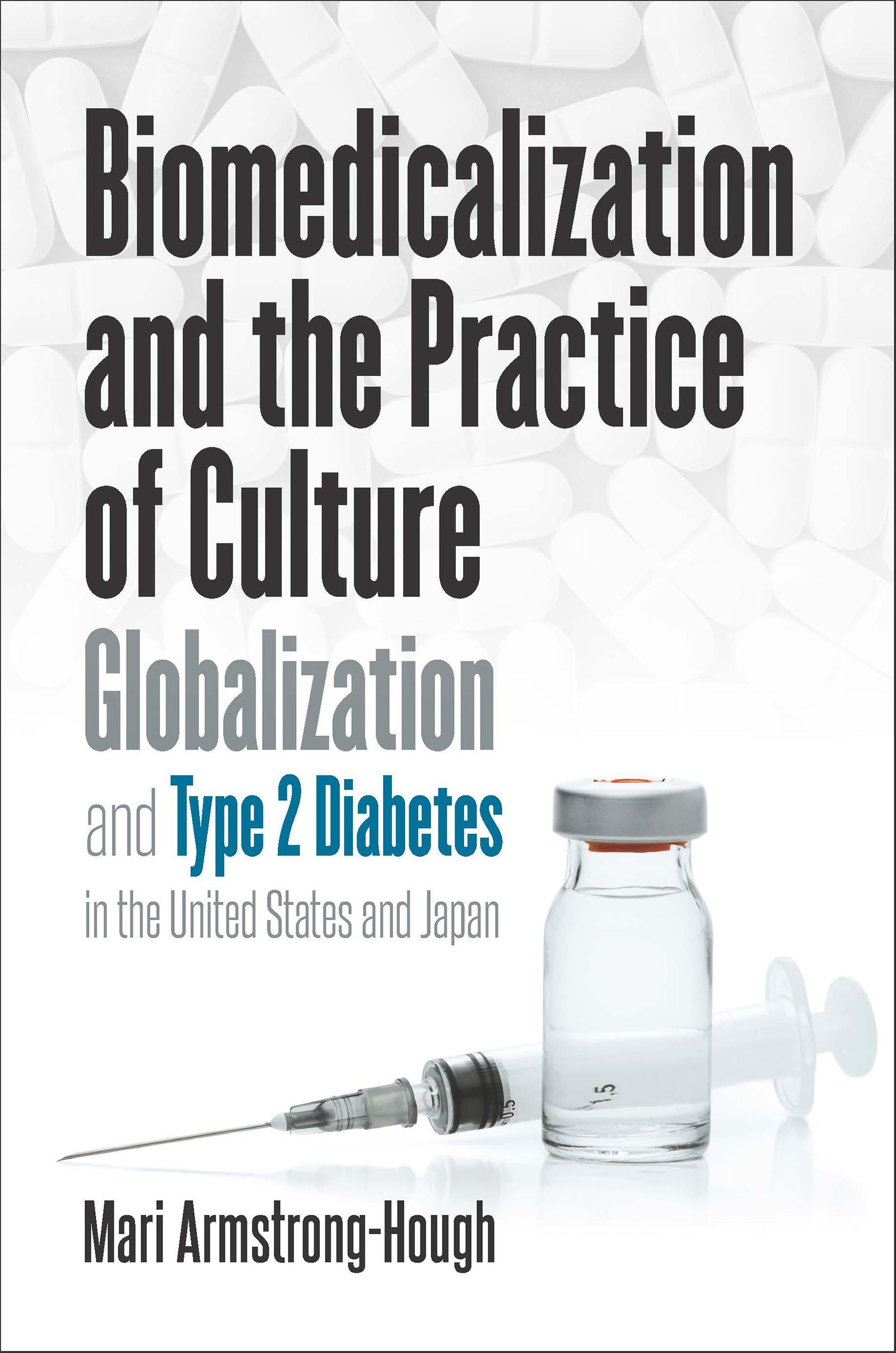
Over the last twenty years, type 2 diabetes skyrocketed to the forefront of global public health concern. In this book, Mari Armstrong-Hough examines the rise in and response to the disease in two societies: the United States and Japan. Both societies have faced rising rates of diabetes, but their social and biomedical responses to its ascendance have diverged. To explain the emergence of these distinctive strategies, Armstrong-Hough argues that physicians act not only on increasingly globalized professional standards but also on local knowledge, explanatory models, and cultural toolkits. As a result, strategies for clinical management diverge sharply from one country to another. Armstrong-Hough demonstrates how distinctive practices endure in the midst of intensifying biomedicalization, both on the part of patients and on the part of physicians, and how these differences grow from broader cultural narratives about diabetes in each setting.
Sider: 186
Kategori: Sociologi
e-ISBN: 9781469646695
Forsendelsesvægt: 1.2 kg
Sendes inden for: 1-2 dage
Betal nemt med kort, Klarna, Apple Pay eller Google Pay. Ikke tilfreds? Du har altid 14 dages fortrydelsesret. Læs mere i vores vilkår. Har du spørgsmål, så send os en mail på hello@memmo.org.
Memmo gør det nemmere at studere – uanset hvor du er i verden. Hos os samler du dine kursusbøger og smarte studieværktøjer ét sted: resuméer, quizzer, podcasts og flashcards. Og så er der Ted, din studieven, der svarer på alt, du undrer dig over. Over 50 000 studerende studerer allerede her – bygget til at hjælpe dig med at lære hurtigere og stresse mindre.
Du kan måske også lide
Køb bogen0