
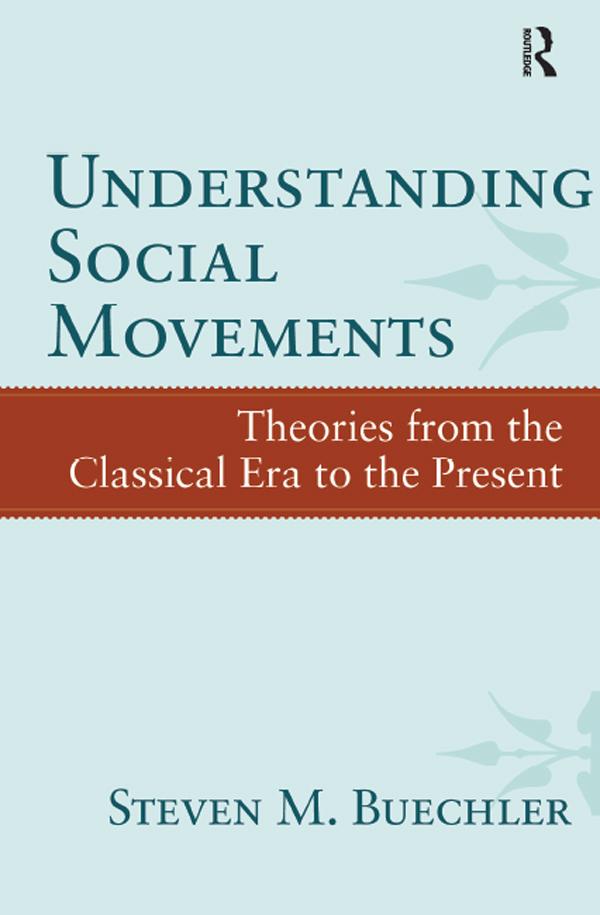
In thirteen succinct chapters, Buechler traces movement theories from the classical era of sociology to the most recent examples of transnational activism. He identifies the socio-historical context, central concepts, and guiding logic of diverse movement theories, with emphasis on: Comparisons of Marx and Lenin; Weber and Michels; and Durkheim and LeBon The Chicago School of the inter-war period The political-sociological approaches of the 1950s The varieties of strain and breakdown theories at the dawn of the 1960s Major paradigm shifts caused by the cascade of 1960s social movements Vivid examples of movements worldwide and coverage of all major theorists Critiques, debates, and proposed syntheses dominating the turn of the 21st century Recent trends (such as cyberactivism and transnational movements) and their theoretical implications"
Betal nemt med kort, Klarna, Apple Pay eller Google Pay. Ikke tilfreds? Du har altid 14 dages fortrydelsesret. Læs mere i vores vilkår. Har du spørgsmål, så send os en mail på hello@memmo.org.
Memmo gør det nemmere at studere – uanset hvor du er i verden. Hos os samler du dine kursusbøger og smarte studieværktøjer ét sted: resuméer, quizzer, podcasts og flashcards. Og så er der Ted, din studieven, der svarer på alt, du undrer dig over. Over 50 000 studerende studerer allerede her – bygget til at hjælpe dig med at lære hurtigere og stresse mindre.
Du kan måske også lide
Køb bogen0