
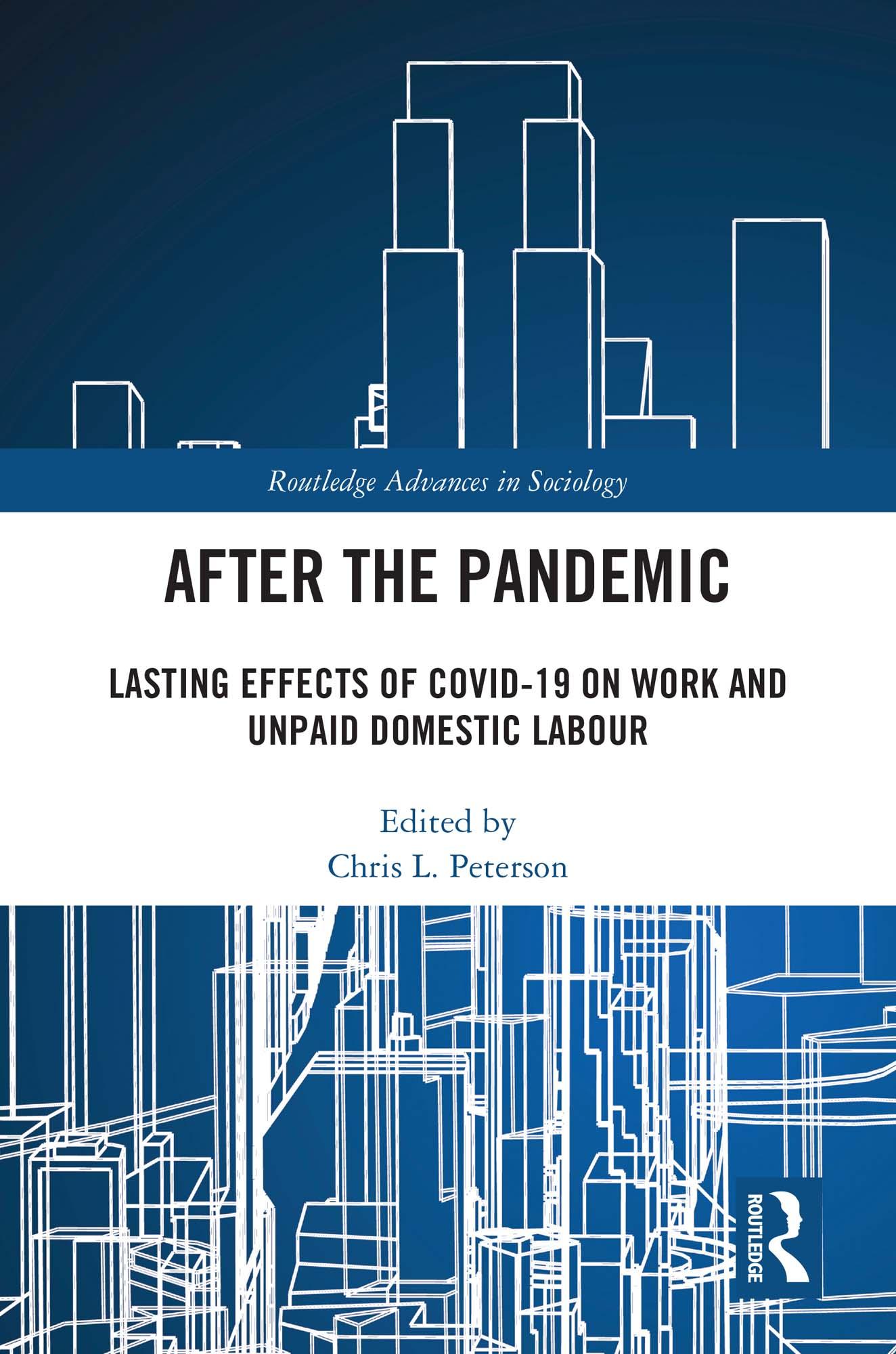
Presenting a sociological perspective on globalisation and COVID-19 impacts, this book examines the lasting effects of COVID-19 on the structure of work and unpaid domestic labour.
Labour patterns have influenced political, social, and economic spheres that affect organisational practices. Following the COVID-19 pandemic, this book showcases these effects upon household labour, care work, unpaid domestic work, and organisational practices, with attention to systemic inequalities by gender and age, net zero, privacy, and digitisation transitions. It examines the exponential post-pandemic growth of digitisation and what this has meant in encouraging remote, home-working or hybrid work health, and wellbeing. Taking a sociology of work approach with a critical eye for neoliberalism influences, this book explores the first years of the pandemic’s aftermath, analysing both its short-term and potential long-term effects on paid work and unpaid domestic labour.
This book will be of interest to academics, students, and practitioners in the areas of sociology, global studies, occupational health, and international relations. In particular, those engaged with the sociology of work and the sociology of family will find this a valuable resource for understanding work in the post-pandemic world.
Betal nemt med kort, Klarna, Apple Pay eller Google Pay. Ikke tilfreds? Du har altid 14 dages fortrydelsesret. Læs mere i vores vilkår. Har du spørgsmål, så send os en mail på hello@memmo.org.
Memmo gør det nemmere at studere – uanset hvor du er i verden. Hos os samler du dine kursusbøger og smarte studieværktøjer ét sted: resuméer, quizzer, podcasts og flashcards. Og så er der Ted, din studieven, der svarer på alt, du undrer dig over. Over 50 000 studerende studerer allerede her – bygget til at hjælpe dig med at lære hurtigere og stresse mindre.