
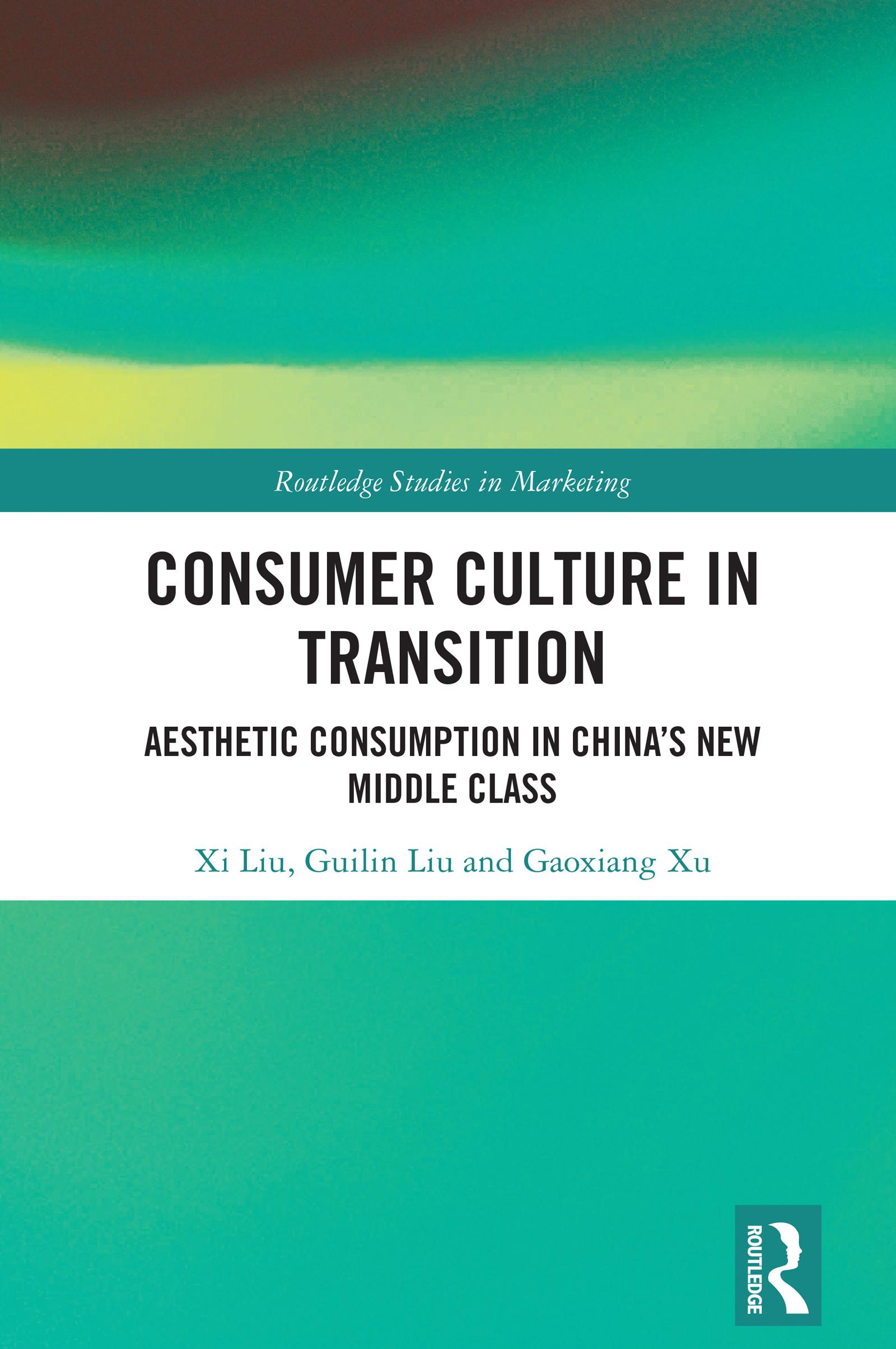
This book offers case studies on the emergence of aesthetic consumption in China, that is, daily consumption in which aesthetic and spiritual benefits play a dominant role in consumers’ decision-making.
The book opens by discussing the rapid economic and cultural development of China, as well as the influence of social media in expressing consumer cultural capital. It then discusses how the country’s new middle class, in particular high-income urban residents, are shifting away from conspicuous consumption towards aesthetic consumption. The book then dives into three case studies of aesthetic consumption—interior design, wine, and guqin playing—to examine how brands and companies drive consumption by purposely shaping and increasing the target segment’s aesthetic sensibilities. The authors pose three key research questions: (1) How do brands lead consumers to acquire aesthetic tastes, which is crucial for the adoption of products positioned on aesthetics? (2) How do brands and customers co-create aesthetic and spiritual values? (3) How do brands maintain and enhance customer relationships even as tastes and preferences upgrade? The book then closes by developing theoretical contributions and managerial implications for brands seeking to target these customer segments.
This book will be of interest to researchers in the fields of marketing, brand management, consumer culture, and China studies.
Betal nemt med kort, Klarna, Apple Pay eller Google Pay. Ikke tilfreds? Du har altid 14 dages fortrydelsesret. Læs mere i vores vilkår. Har du spørgsmål, så send os en mail på hello@memmo.org.
Memmo gør det nemmere at studere – uanset hvor du er i verden. Hos os samler du dine kursusbøger og smarte studieværktøjer ét sted: resuméer, quizzer, podcasts og flashcards. Og så er der Ted, din studieven, der svarer på alt, du undrer dig over. Over 50 000 studerende studerer allerede her – bygget til at hjælpe dig med at lære hurtigere og stresse mindre.