
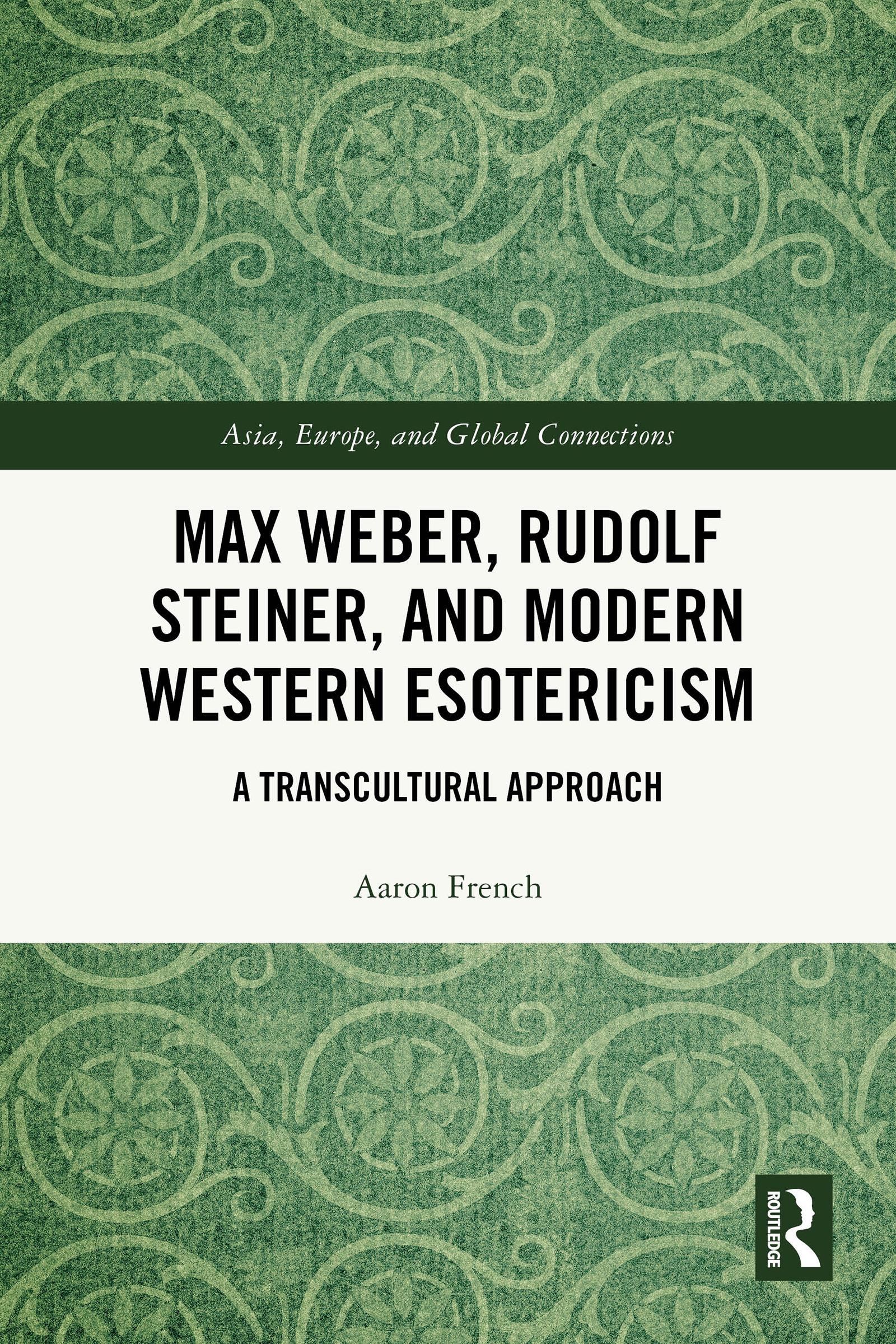
This book challenges previous definitions of modernity by comparing Max Weber (1864–1920), often considered the most important sociologist of the 20th century, and Rudolf Steiner (1861–1925), founder of Waldorfpädagogik and the esoteric social reform movement of anthroposophy.
While acknowledging that Weber and Steiner were different in several respects, this research illustrates that the individual histories of these two thinkers are more entangled than previously recognized. This includes the influence of esotericism on their thinking, as well as their profound concern with science and technological change and an openness to the religious and philosophical concepts of the civilizations of South and East Asia.
Demonstrating the importance of non-European influences for a full understanding of modernity, this book will be a valuable resource for students and scholars of Asian and European philosophy, social theory, and Asian society.
Betal nemt med kort, Klarna, Apple Pay eller Google Pay. Ikke tilfreds? Du har altid 14 dages fortrydelsesret. Læs mere i vores vilkår. Har du spørgsmål, så send os en mail på hello@memmo.org.
Memmo gør det nemmere at studere – uanset hvor du er i verden. Hos os samler du dine kursusbøger og smarte studieværktøjer ét sted: resuméer, quizzer, podcasts og flashcards. Og så er der Ted, din studieven, der svarer på alt, du undrer dig over. Over 50 000 studerende studerer allerede her – bygget til at hjælpe dig med at lære hurtigere og stresse mindre.