
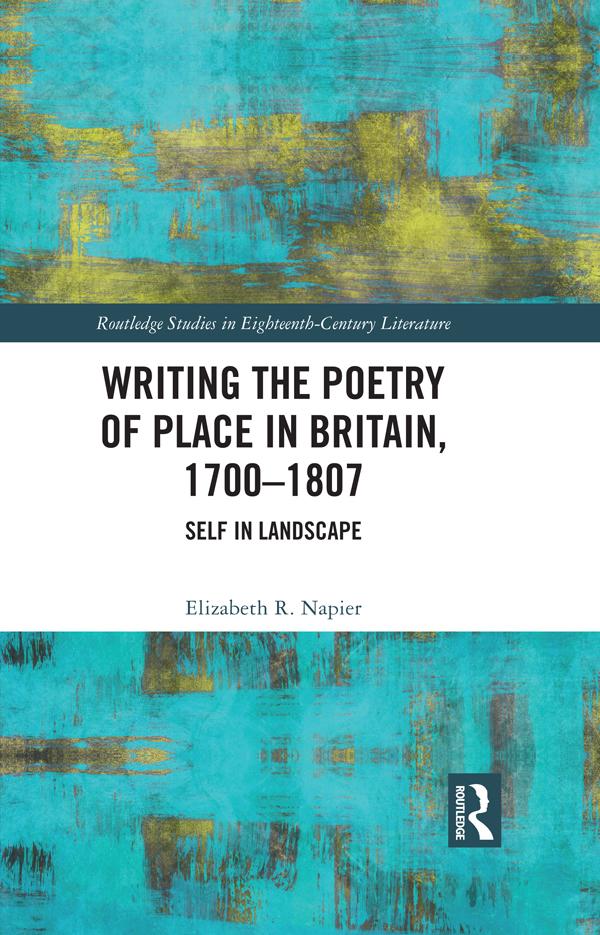
This book discusses the intrusion, often inadvertent, of personal voice into the poetry of landscape in Britain, 1700– 1807. It argues that strong conventions, such as those that inhere in topographical verse of the period, invite original poets to overstep those bounds while also shielding them from the repercussions of self-expression. Working under cover of convention in this manner and because for many of these poets place is tied in significant ways to personal history, poets of place may launch unexpected explorations into memory, personhood, and the workings of consciousness. This book thus supplements past, largely political, readings of landscape poetry, turning to questions of self-articulation and self-expression in order to argue that the autobiographical impulse is a distinctive and innovative feature of much great eighteenth-century poetry of place. Among the poets under examination are Pope, Thomson, Duck, Gray, Goldsmith, Crabbe, Cowper, Smith, and Wordsworth.
Betal nemt med kort, Klarna, Apple Pay eller Google Pay. Ikke tilfreds? Du har altid 14 dages fortrydelsesret. Læs mere i vores vilkår. Har du spørgsmål, så send os en mail på hello@memmo.org.
Memmo gør det nemmere at studere – uanset hvor du er i verden. Hos os samler du dine kursusbøger og smarte studieværktøjer ét sted: resuméer, quizzer, podcasts og flashcards. Og så er der Ted, din studieven, der svarer på alt, du undrer dig over. Over 50 000 studerende studerer allerede her – bygget til at hjælpe dig med at lære hurtigere og stresse mindre.