
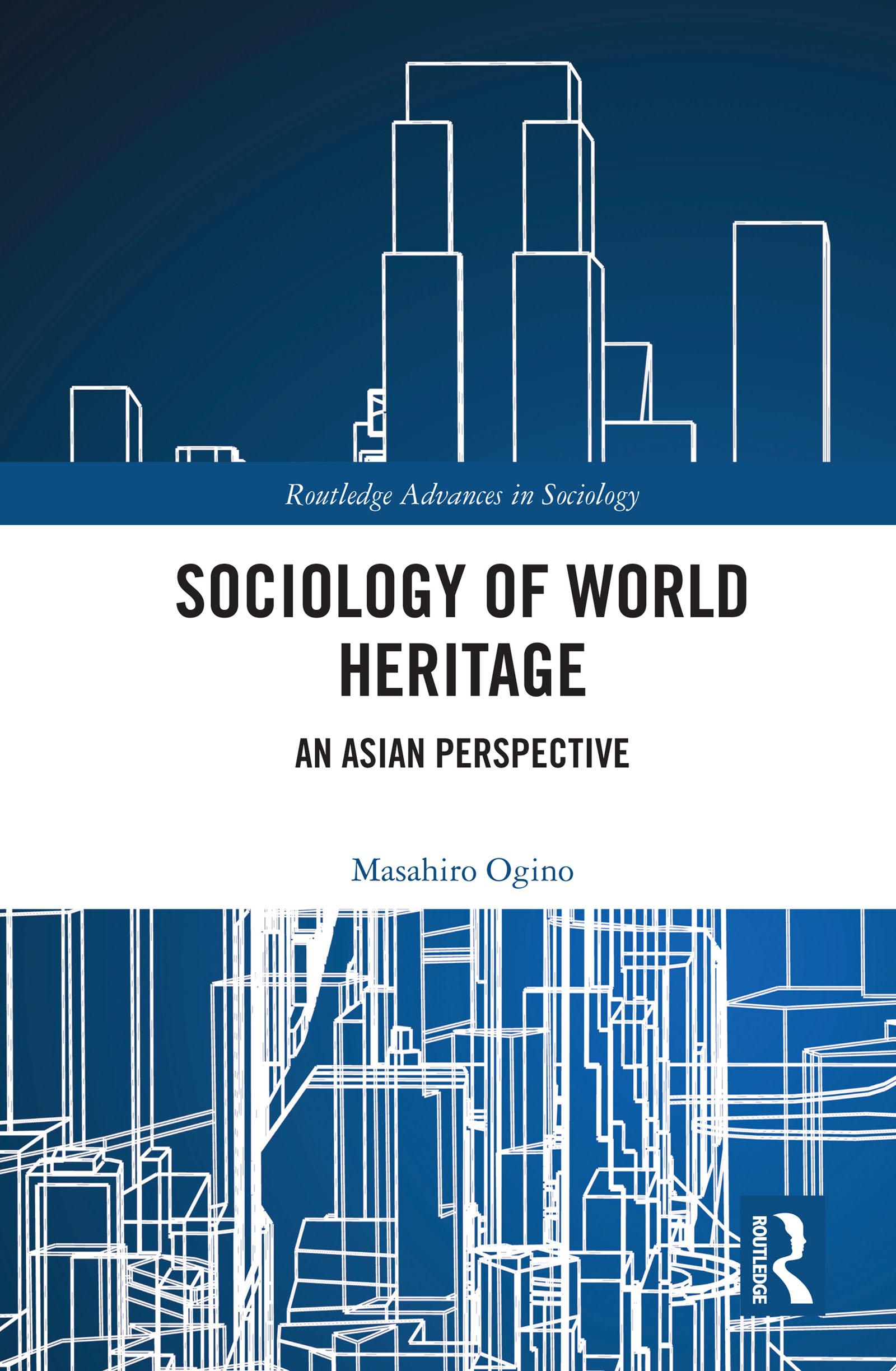
Taking mainly Japanese and other Asian case studies as examples, Ogino examines the motivations behind the preservation of objects and sites considered to be of cultural significance.
Using mainly the perspectives of Japanese approaches to cultural heritage, the book critiques the European logic of cultural heritage enshrined by UNESCO. It contrasts a Western emphasis on monuments and sites, with an Asian emphasis on more intangible forms of heritage, which place less emphasis on a linear view of time. More practically, the authors also analyse the positive and negative impacts that UNESCO-listed status has had on sites in Asia, including Angkor Wat, Nagasaki, and Lijiang. Finally, they address fundamental questions about who gets to decide what counts as cultural heritage, and what the underlying rationale is for actively preserving heritage in the first place.
This books is a thoughtful and provocative analysis of issues that will be of interest to sociologists, as well as scholars and students of cultural heritage.
Betal nemt med kort, Klarna, Apple Pay eller Google Pay. Ikke tilfreds? Du har altid 14 dages fortrydelsesret. Læs mere i vores vilkår. Har du spørgsmål, så send os en mail på hello@memmo.org.
Memmo gør det nemmere at studere – uanset hvor du er i verden. Hos os samler du dine kursusbøger og smarte studieværktøjer ét sted: resuméer, quizzer, podcasts og flashcards. Og så er der Ted, din studieven, der svarer på alt, du undrer dig over. Over 50 000 studerende studerer allerede her – bygget til at hjælpe dig med at lære hurtigere og stresse mindre.