
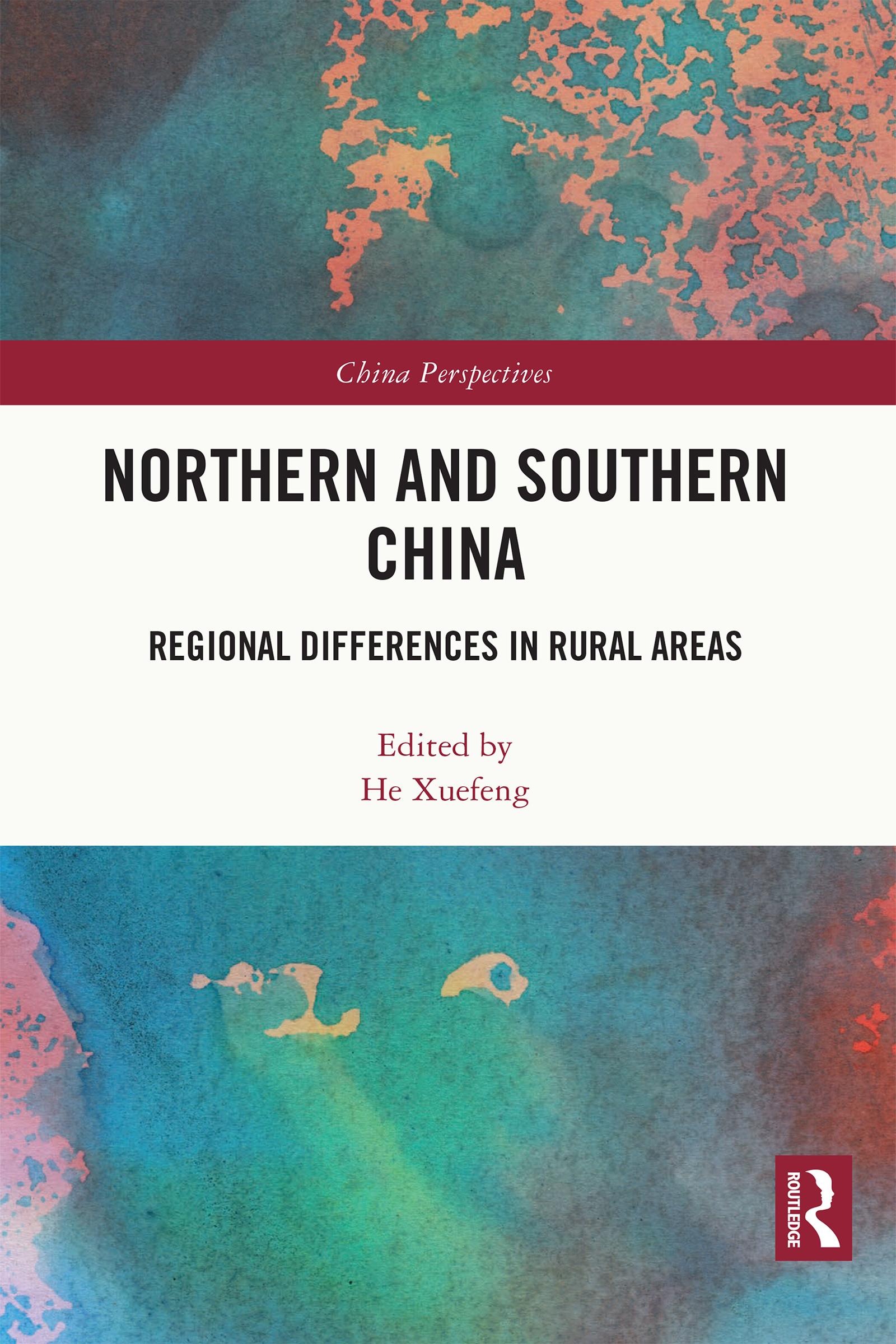
This edited volume examines regional differences in social structure in rural China and elaborates the characteristics, reasons and practical implications to policymaking.
In contrast to many existing studies, the book spotlights regional disparities that stem from the varied social compositions of villages and their social relations in rural areas of Northern, Central and Southern China. Three types of rural community structures, ranging from the north to the south of China, are identified, including the segmented village comprised of kinship groups with a high degree of atomization, and the united village resting on a patrilineage-based organization. The editor draws on middle-range theory, organically combining a theoretical framework of the regional variations with empirical studies based on years of fieldwork in rural China. This approach is used throughout the book to analyze topics in four aspects: family relations, social interactions, other notable social issues and rural governance.
The volume will appeal to scholars and students of sociology and Chinese studies, as well as general readers interested in rural Chinese society.
Betal nemt med kort, Klarna, Apple Pay eller Google Pay. Ikke tilfreds? Du har altid 14 dages fortrydelsesret. Læs mere i vores vilkår. Har du spørgsmål, så send os en mail på hello@memmo.org.
Memmo gør det nemmere at studere – uanset hvor du er i verden. Hos os samler du dine kursusbøger og smarte studieværktøjer ét sted: resuméer, quizzer, podcasts og flashcards. Og så er der Ted, din studieven, der svarer på alt, du undrer dig over. Over 50 000 studerende studerer allerede her – bygget til at hjælpe dig med at lære hurtigere og stresse mindre.