
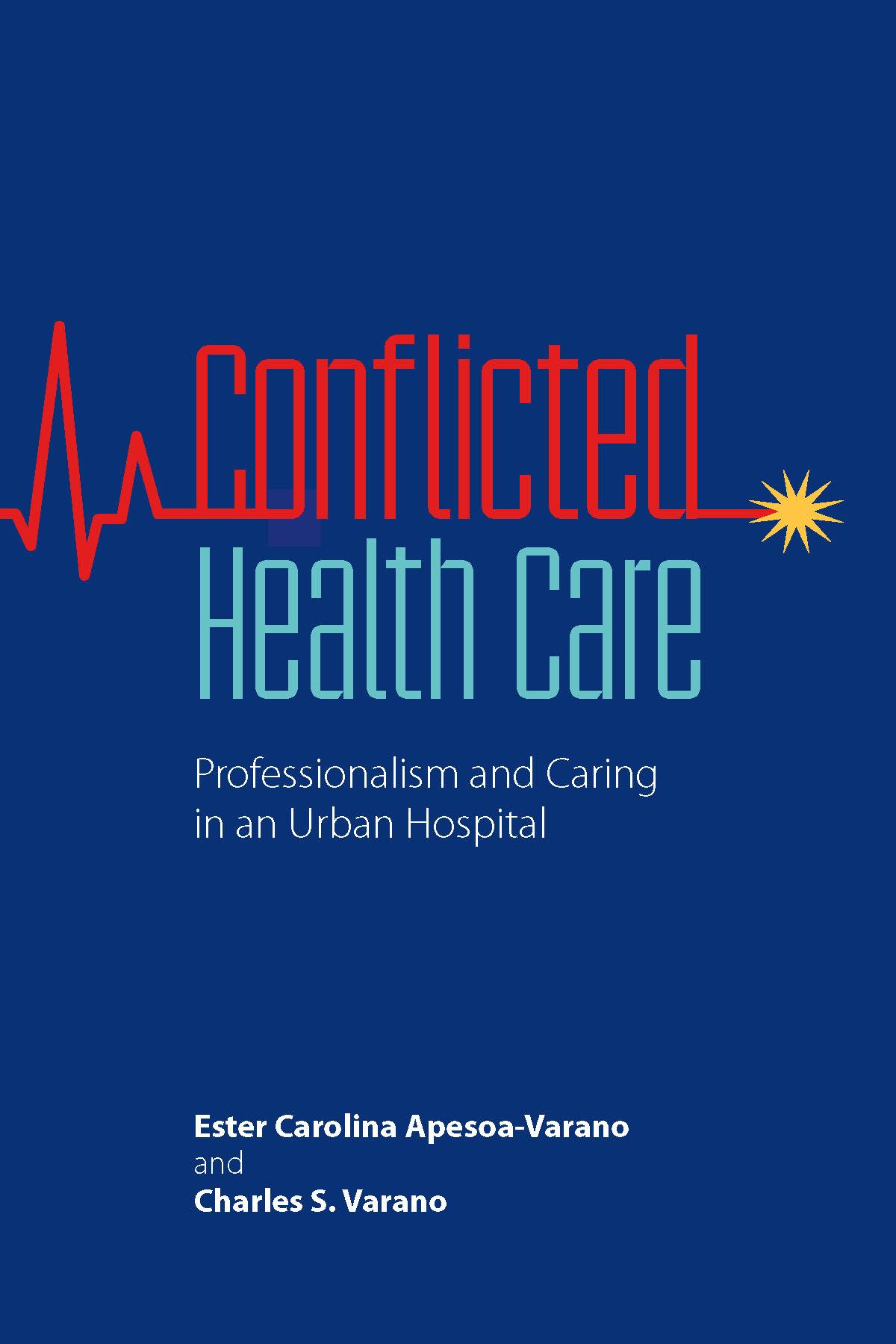
Anyone who has spent time in a hospital as a patient or family member of a patient hopes that those who attend to us or our loved ones are at their professional best and that they care for us in ways that console us and preserve our dignity. This book takes an intimate look at how health care practitioners struggle to live up to their professional and caring ideals through (or during?) twelve-hour shifts on the hospital floor.
From 3,200 hours of participant-observation and 500 hours of follow-up interviews with twenty-one doctors, thirty registered nurses, twenty-one respiratory therapists, twenty medical social workers, and eighteen occupational, physical, and speech therapists, the authors create a complex picture of the workplace conflicts that different types of health care practitioners face. Though all these groups espouse caring ideals, professional interests and a curative orientation dominate in patient care and interoccupational relations. Because emotive caring is not supported by the organization of health care in the hospital, it becomes an individual virtue that overworked staff find hard to perform, and it takes on an ideological form that obscures the status hierarchy among practitioners. Conflicts between practitioners rest upon the ranking of each group's knowledge base. They manifest in efforts to work as a team or set limits on practitioner responsibilities and in differing views on unionization.
From 3,200 hours of participant-observation and 500 hours of follow-up interviews with twenty-one doctors, thirty registered nurses, twenty-one respiratory therapists, twenty medical social workers, and eighteen occupational, physical, and speech therapists, the authors create a complex picture of the workplace conflicts that different types of health care practitioners face. Though all these groups espouse caring ideals, professional interests and a curative orientation dominate in patient care and interoccupational relations. Because emotive caring is not supported by the organization of health care in the hospital, it becomes an individual virtue that overworked staff find hard to perform, and it takes on an ideological form that obscures the status hierarchy among practitioners. Conflicts between practitioners rest upon the ranking of each group's knowledge base. They manifest in efforts to work as a team or set limits on practitioner responsibilities and in differing views on unionization.
Sider: 208
Kategori: Sociologi
e-ISBN: 9780826502957
Forsendelsesvægt: 1.2 kg
Sendes inden for: 1-2 dage
Betal nemt med kort, Klarna, Apple Pay eller Google Pay. Ikke tilfreds? Du har altid 14 dages fortrydelsesret. Læs mere i vores vilkår. Har du spørgsmål, så send os en mail på hello@memmo.org.
Memmo gør det nemmere at studere – uanset hvor du er i verden. Hos os samler du dine kursusbøger og smarte studieværktøjer ét sted: resuméer, quizzer, podcasts og flashcards. Og så er der Ted, din studieven, der svarer på alt, du undrer dig over. Over 50 000 studerende studerer allerede her – bygget til at hjælpe dig med at lære hurtigere og stresse mindre.
Du kan måske også lide
Køb bogen0