
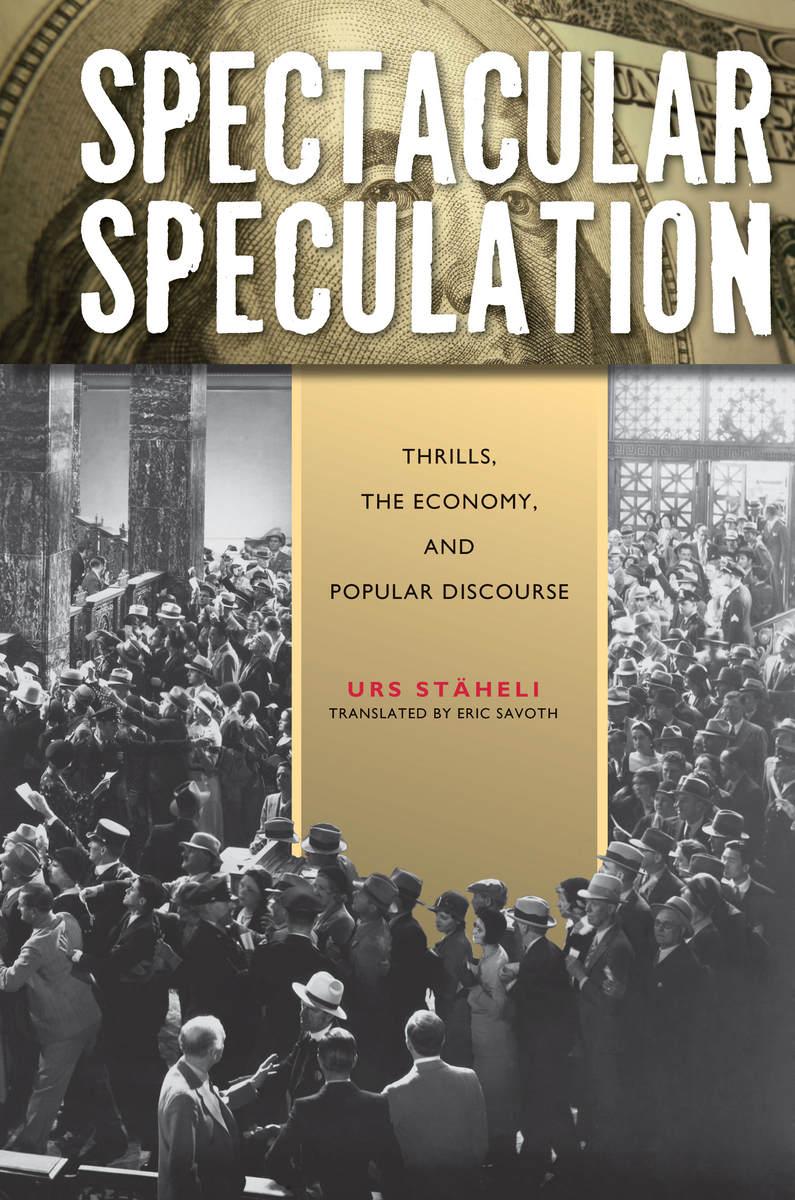
Spectacular Speculation is a history and sociological analysis of the semantics of speculation from 1870 to 1930, when speculation began to assume enormous importance in popular culture. Informed by the work of Luhmann, Foucault, Simmel and Deleuze, it looks at how speculation was translated into popular knowledge and charts the discursive struggles of making speculation a legitimate economic practice. Noting that the vocabulary available to discuss the concept was not properly economic, the book reveals the underside of putting it into words. Speculation's success depended upon non-economic language and morally questionable thrills: a proximity to the wasteful practice of gambling or other "degenerate" behaviors, the experience of financial markets as seductive, or out of control. American discourses of speculation take center stage, and the book covers an unusual range of material, including stock exchange guidebooks, ticker tape, moral treatises, plays, advertisements, and newspapers.
Betal nemt med kort, Klarna, Apple Pay eller Google Pay. Ikke tilfreds? Du har altid 14 dages fortrydelsesret. Læs mere i vores vilkår. Har du spørgsmål, så send os en mail på hello@memmo.org.
Memmo gør det nemmere at studere – uanset hvor du er i verden. Hos os samler du dine kursusbøger og smarte studieværktøjer ét sted: resuméer, quizzer, podcasts og flashcards. Og så er der Ted, din studieven, der svarer på alt, du undrer dig over. Over 50 000 studerende studerer allerede her – bygget til at hjælpe dig med at lære hurtigere og stresse mindre.