
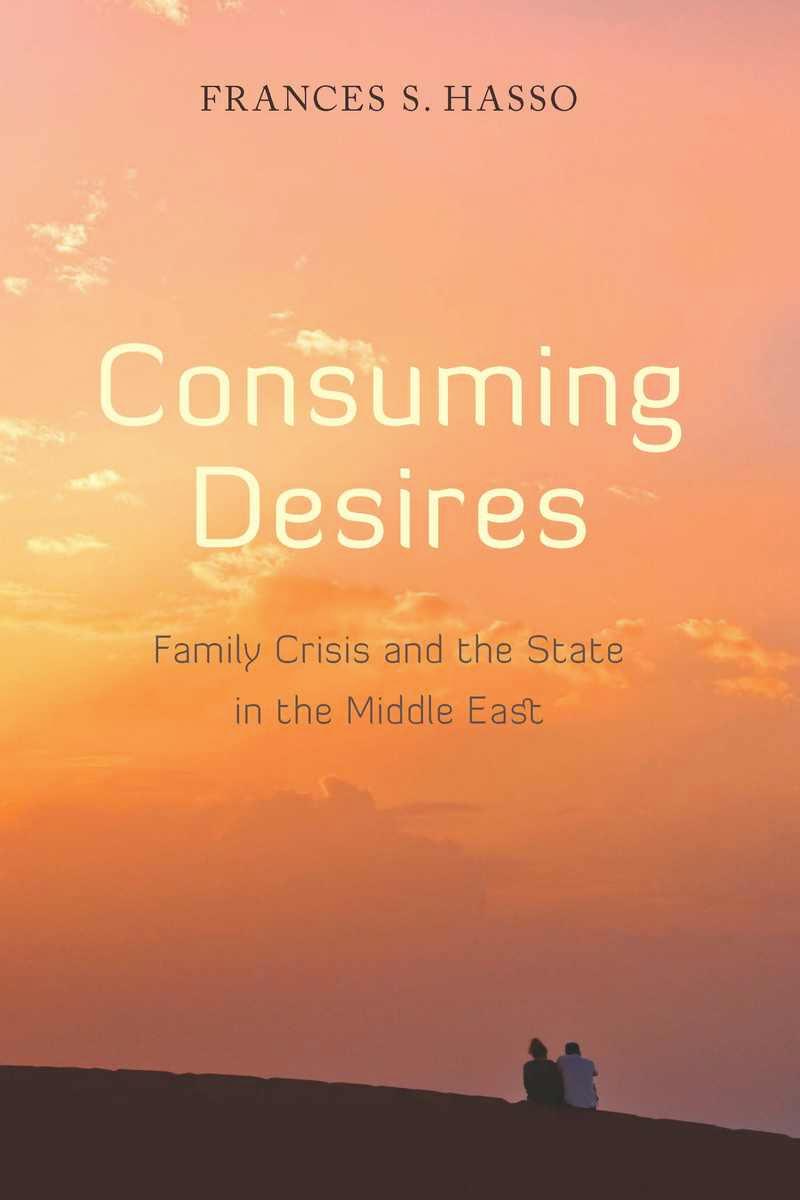
Over the course of the twentieth century, most Middle East states adopted a shari'a-based system for recognizing marriages. Partly in reaction to these dynamics, new types of marriage that evade the control of the state and religious authorities have emerged. These marriages allow for men and women to engage in sexual relationships, but do not require that they register the marriage with the state, that they live together, or that the man be financially responsible for the wife or household.
In Consuming Desires, Frances Hasso explores the extent to which these new relationship forms are used and to what ends, as well as the legal and cultural responses to such innovations. She outlines what is at stake for the various groups—the state, religious leaders, opposition groups, young people, men and women of different classes and locations, and feminist organizations—in arguments for and against these relationship forms.
Betal nemt med kort, Klarna, Apple Pay eller Google Pay. Ikke tilfreds? Du har altid 14 dages fortrydelsesret. Læs mere i vores vilkår. Har du spørgsmål, så send os en mail på hello@memmo.org.
Memmo gør det nemmere at studere – uanset hvor du er i verden. Hos os samler du dine kursusbøger og smarte studieværktøjer ét sted: resuméer, quizzer, podcasts og flashcards. Og så er der Ted, din studieven, der svarer på alt, du undrer dig over. Over 50 000 studerende studerer allerede her – bygget til at hjælpe dig med at lære hurtigere og stresse mindre.