
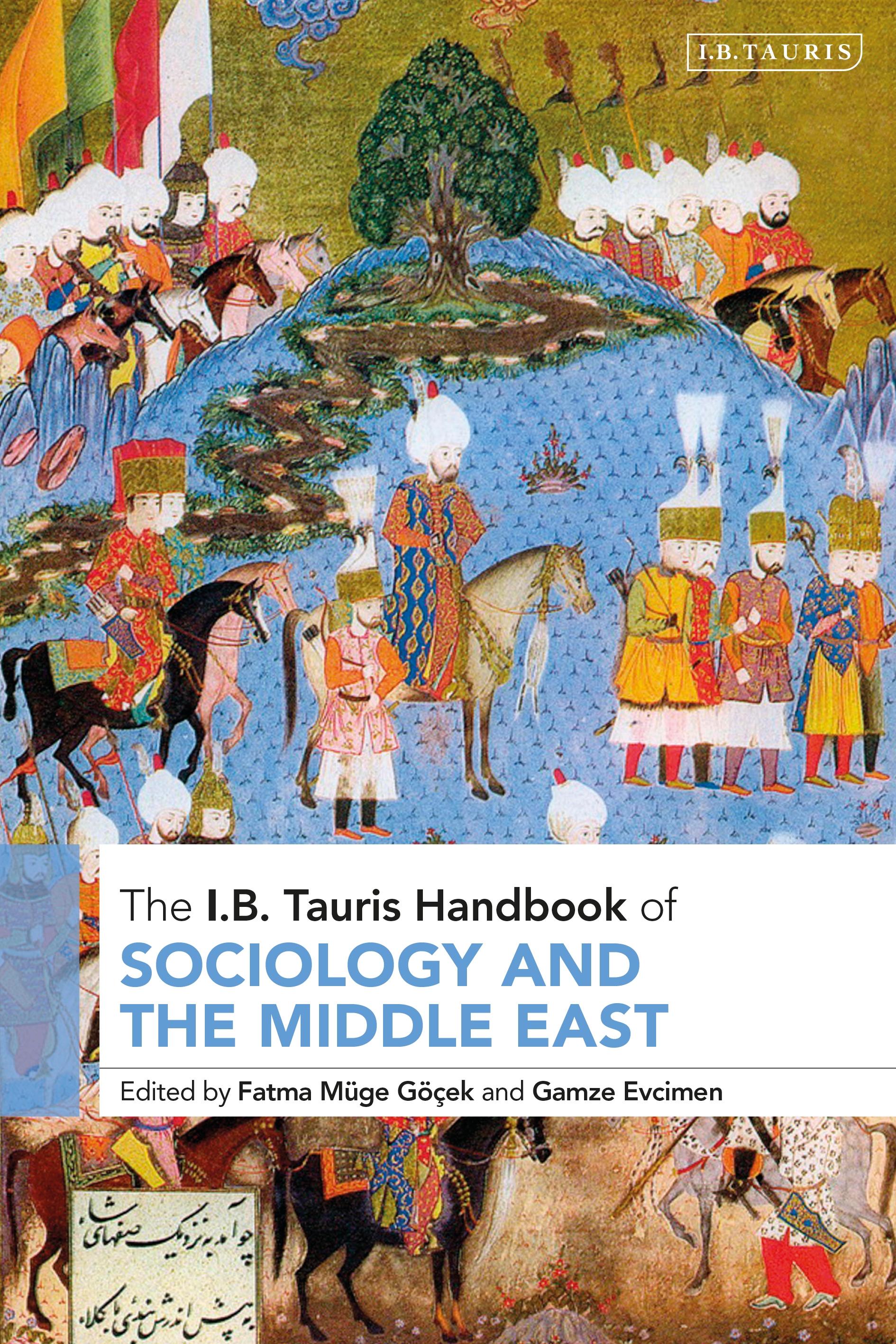
What we understand by the 'Middle East' has changed over time and across space. While scholars agree that the geographical 'core' of the Middle East is the Arabian Peninsula, the boundaries are less clear. How far back in time should we go to define the Middle East? How far south and east should we move on the African continent? And how do we deal with the minority religions in the region, and those who migrate to the West?
Across this handbook's 52 chapters, the leading sociologists writing on the Middle East share their standpoint on these questions. Taking the featured scholars as constitutive of the field, the handbook reshapes studies on the region by piecing together our knowledge on the Middle East from their path-defining contributions. The volume is divided into four parts covering sociologists' perspectives on:
· Social transformations and social conflict; from Israel-Palestine and the Iranian Revolution, to the Arab Uprisings and the Syrian War
· The region's economic, religious and political activities; including the impact of the spread of Western modernity; the effects of neo-liberalism; and how Islam shapes the region's life and politics
· People's everyday practices as they have shaped our understanding of culture, consumption, gender and sexuality
· The diasporas from the Middle East in Europe and North America, which put the Middle East in dialogue with other regions of the world.
The global approach and wide-ranging topics represent how sociologists enable us to redefine the boundaries and identities of the Middle East today.
Across this handbook's 52 chapters, the leading sociologists writing on the Middle East share their standpoint on these questions. Taking the featured scholars as constitutive of the field, the handbook reshapes studies on the region by piecing together our knowledge on the Middle East from their path-defining contributions. The volume is divided into four parts covering sociologists' perspectives on:
· Social transformations and social conflict; from Israel-Palestine and the Iranian Revolution, to the Arab Uprisings and the Syrian War
· The region's economic, religious and political activities; including the impact of the spread of Western modernity; the effects of neo-liberalism; and how Islam shapes the region's life and politics
· People's everyday practices as they have shaped our understanding of culture, consumption, gender and sexuality
· The diasporas from the Middle East in Europe and North America, which put the Middle East in dialogue with other regions of the world.
The global approach and wide-ranging topics represent how sociologists enable us to redefine the boundaries and identities of the Middle East today.
Sider: 520
Kategori: Sociologi
e-ISBN: 9780755639441
Forsendelsesvægt: 1.2 kg
Sendes inden for: 1-2 dage
Betal nemt med kort, Klarna, Apple Pay eller Google Pay. Ikke tilfreds? Du har altid 14 dages fortrydelsesret. Læs mere i vores vilkår. Har du spørgsmål, så send os en mail på hello@memmo.org.
Memmo gør det nemmere at studere – uanset hvor du er i verden. Hos os samler du dine kursusbøger og smarte studieværktøjer ét sted: resuméer, quizzer, podcasts og flashcards. Og så er der Ted, din studieven, der svarer på alt, du undrer dig over. Over 50 000 studerende studerer allerede her – bygget til at hjælpe dig med at lære hurtigere og stresse mindre.