
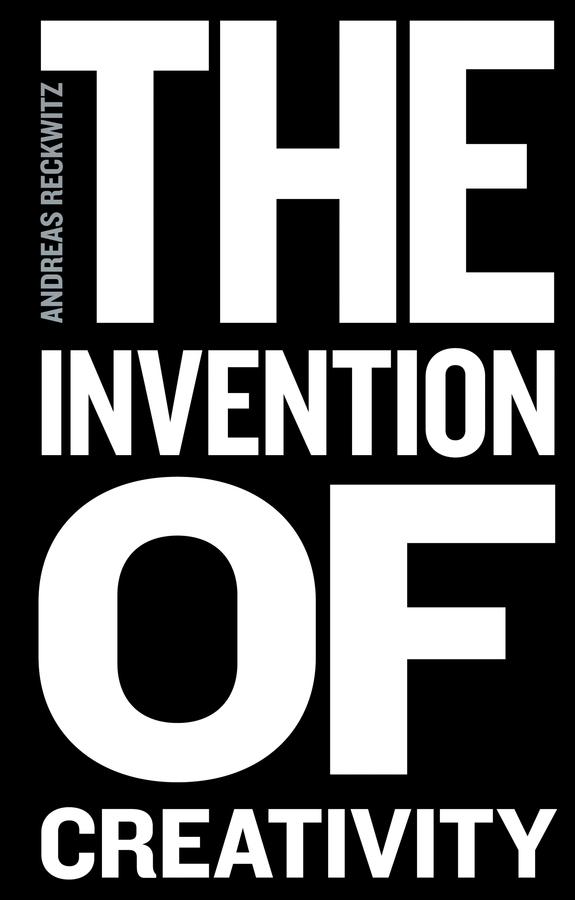
Contemporary society has seen an unprecedented rise in both the demand and the desire to be creative, to bring something new into the world. Once the reserve of artistic subcultures, creativity has now become a universal model for culture and an imperative in many parts of society.
In this new book, cultural sociologist Andreas Reckwitz investigates how the ideal of creativity has grown into a major social force, from the art of the avant-garde and postmodernism to the ‘creative industries’ and the innovation economy, the psychology of creativity and self-growth, the media representation of creative stars, and the urban design of ‘creative cities’. Where creativity is often assumed to be a force for good, Reckwitz looks critically at how this imperative has developed from the 1970s to the present day. Though we may well perceive creativity as the realization of some natural and innate potential within us, it has rather to be understood within the structures of a very specific culture of the new in late modern society.
The Invention of Creativity is a bold and refreshing counter to conventional wisdom that shows how our age is defined by radical and restrictive processes of social aestheticization. It will be of great interest to those working in a variety of disciplines, from cultural and social theory to art history and aesthetics.
Betal nemt med kort, Klarna, Apple Pay eller Google Pay. Ikke tilfreds? Du har altid 14 dages fortrydelsesret. Læs mere i vores vilkår. Har du spørgsmål, så send os en mail på hello@memmo.org.
Memmo gør det nemmere at studere – uanset hvor du er i verden. Hos os samler du dine kursusbøger og smarte studieværktøjer ét sted: resuméer, quizzer, podcasts og flashcards. Og så er der Ted, din studieven, der svarer på alt, du undrer dig over. Over 50 000 studerende studerer allerede her – bygget til at hjælpe dig med at lære hurtigere og stresse mindre.