
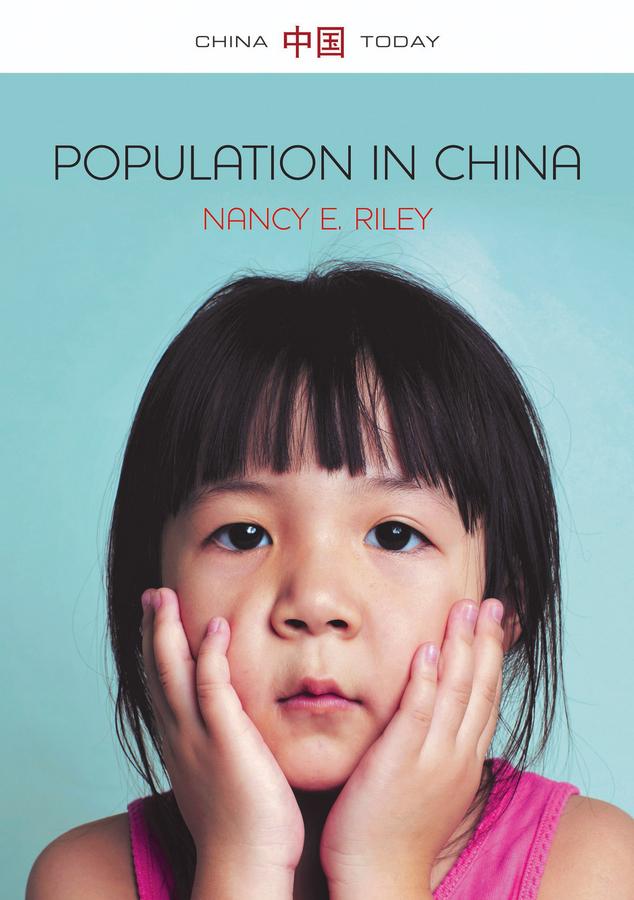
China is home to a fifth of the world�s inhabitants. For the last several decades, this huge population has been in flux: fertility has fallen sharply, mortality has declined, and massive rural-to-urban migration is taking place. The state has played a direct role in these changes, seeing population control as an important part of its intention to modernize the country.
In this insightful new work, Nancy E. Riley argues that China�s population policies and outcomes are not simply imposed by the state onto an unresponsive citizenry, but have arisen from the social organization of China over the past sixty years. Riley demonstrates how China�s population and population policy are intertwined and interact with other social and economic features. Riley also examines the unintended consequences of state directives, including the extraordinary number of �missing girls,� the rapid aging of the population, and an increase in inequality, particularly between rural and urban residents.
Ultimately, China�s demographic story has to be understood as a complex, multi-pieced phenomenon. This book will be essential reading for researchers and students of China and social demography, as well as non-specialists interested in the changing nature of China�s population.
Betal nemt med kort, Klarna, Apple Pay eller Google Pay. Ikke tilfreds? Du har altid 14 dages fortrydelsesret. Læs mere i vores vilkår. Har du spørgsmål, så send os en mail på hello@memmo.org.
Memmo gør det nemmere at studere – uanset hvor du er i verden. Hos os samler du dine kursusbøger og smarte studieværktøjer ét sted: resuméer, quizzer, podcasts og flashcards. Og så er der Ted, din studieven, der svarer på alt, du undrer dig over. Over 50 000 studerende studerer allerede her – bygget til at hjælpe dig med at lære hurtigere og stresse mindre.