
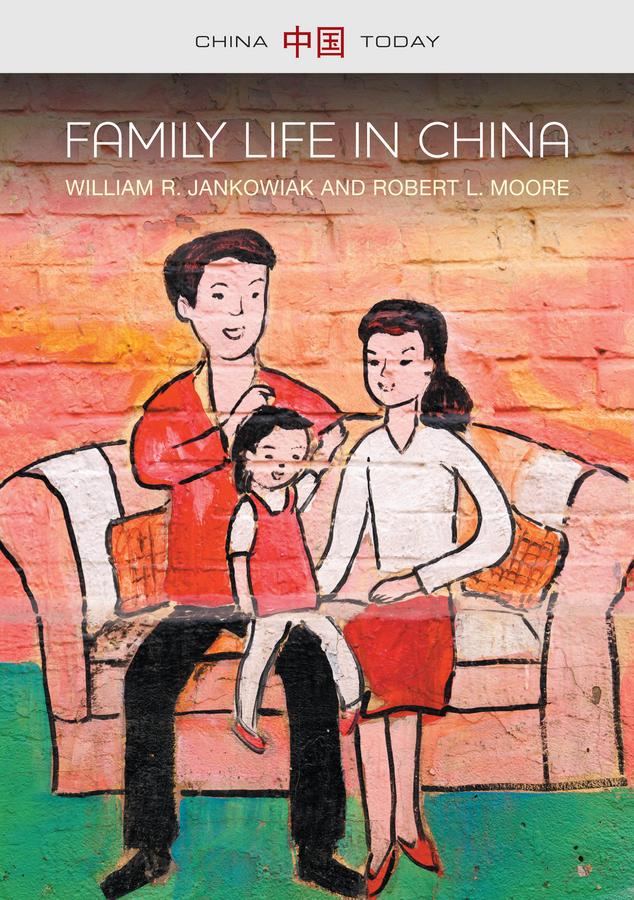
The family has long been viewed as both a microcosm of the state and a barometer of social change in China. It is no surprise, therefore, that the dramatic changes experienced by Chinese society over the past century have produced a wide array of new family systems.
Where a widely accepted Confucian-based ideology once offered a standard framework for family life, current ideas offer no such uniformity. Ties of affection rather than duty have become prominent in determining what individuals feel they owe to their spouses, parents, children, and others. Chinese millennials, facing a world of opportunities and, at the same time, feeling a sense of heavy obligation, are reshaping patterns of courtship, marriage, and filiality in ways that were not foreseen by their parents nor by the authorities of the Chinese state. Those whose roots are in the countryside but who have left their homes to seek opportunity and adventure in the city face particular pressures as do the children and elders they have left behind. The authors explore this diversity focusing on rural vs. urban differences, regionalism, and ethnic diversity within China.
Family Life in China presents new perspectives on what the current changes in this institution imply for a rapidly changing society.
Betal nemt med kort, Klarna, Apple Pay eller Google Pay. Ikke tilfreds? Du har altid 14 dages fortrydelsesret. Læs mere i vores vilkår. Har du spørgsmål, så send os en mail på hello@memmo.org.
Memmo gør det nemmere at studere – uanset hvor du er i verden. Hos os samler du dine kursusbøger og smarte studieværktøjer ét sted: resuméer, quizzer, podcasts og flashcards. Og så er der Ted, din studieven, der svarer på alt, du undrer dig over. Over 50 000 studerende studerer allerede her – bygget til at hjælpe dig med at lære hurtigere og stresse mindre.