
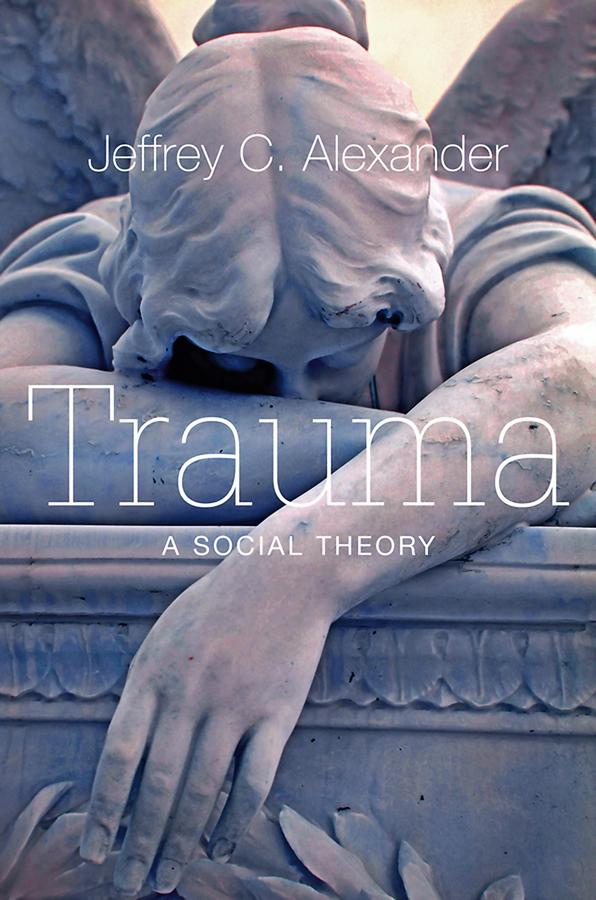
Alexander argues that traumas are not merely psychological but collective experiences, and that trauma work plays a key role in defining the origins and outcomes of critical social conflicts. He outlines a model of trauma work that relates interests of carrier groups, competing narrative identifications of victim and perpetrator, utopian and dystopian proposals for trauma resolution, the performative power of constructed events, and the distribution of organizational resources.
Alexander explores these processes in richly textured case studies of cultural-trauma origins and effects, from the universalism of the Holocaust to the particularism of the Israeli right, from postcolonial battles over the Partition of India and Pakistan to the invisibility of the Rape of Nanjing in Maoist China. In a particularly controversial chapter, Alexander describes the idealizing discourse of globalization as a trauma-response to the Cold War.
Contemporary societies have often been described as more concerned with the past than the future, more with tragedy than progress. In Trauma: A Social Theory, Alexander explains why.
Betal nemt med kort, Klarna, Apple Pay eller Google Pay. Ikke tilfreds? Du har altid 14 dages fortrydelsesret. Læs mere i vores vilkår. Har du spørgsmål, så send os en mail på hello@memmo.org.
Memmo gør det nemmere at studere – uanset hvor du er i verden. Hos os samler du dine kursusbøger og smarte studieværktøjer ét sted: resuméer, quizzer, podcasts og flashcards. Og så er der Ted, din studieven, der svarer på alt, du undrer dig over. Over 50 000 studerende studerer allerede her – bygget til at hjælpe dig med at lære hurtigere og stresse mindre.