
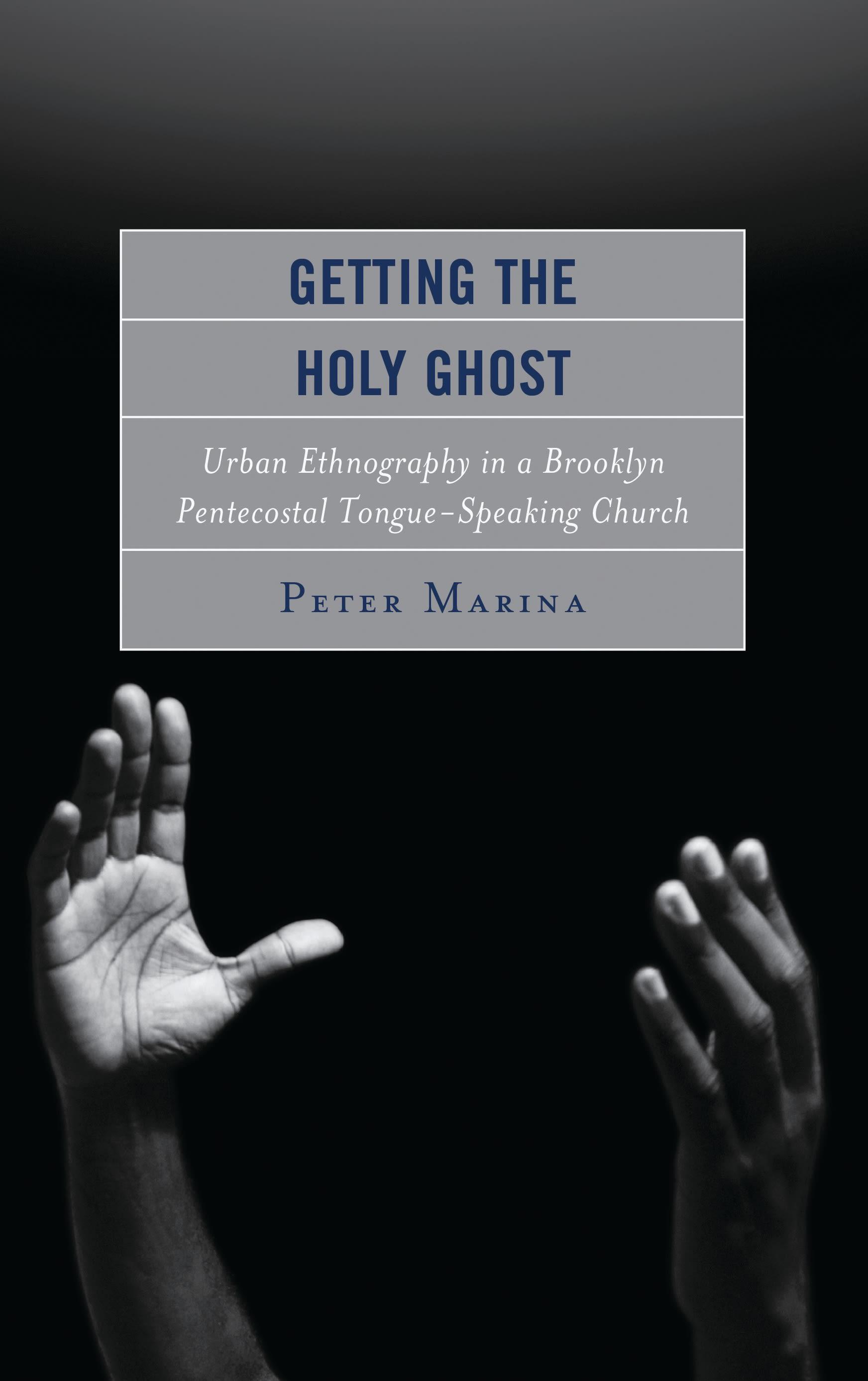
This book carries an ethnographic signature in approach and style, and is an examination of a small Brooklyn, New York, African-American, Pentecostal church congregation and is based on ethnographic notes taken over the course of four years. The Pentecostal Church is known to outsiders almost exclusively for its members’ “bizarre” habit of speaking in tongues. This ethnography, however, puts those outsiders inside the church pews, as it paints a portrait of piety, compassion, caring, love—all embraced through an embodiment perspective, as the church’s members experience these forces in the most personal ways through religious conversion. Central themes include concerns with the notion of “spectacle” because of the grand bodily display that is highlighted by spiritual struggle, social aspiration, punishment and spontaneous explosions of a variety of emotions in the public sphere. The approach to sociology throughout this work incorporates the striking dialectic of history and biography to penetrate and interact with religiously inspired residents of the inner-city in a quest to make sense both empirically and theoretically of this rapidly changing, surprising and highly contradictory late-modern church scene.
The focus on the individual process of becoming Pentecostal provides a road map into the church and canvasses an intimate view into the lives of its members, capturing their stories as they proceed in their Pentecostal careers. This book challenges important sociological concepts like crisis to explain religious seekership and conversion, while developing new concepts such as “God Hunting” and “Holy Ghost Capital” to explain the process through which individuals become tongue-speaking Pentecostals. Church members acquire “Holy Ghost Capital” and construct a Pentecostal identity through a relationship narrative to establish personal status and power through conflicting tongue-speaking ideas. Finally, this book examines the futures of the small and large, institutionally affiliated Pentecostal Church and argues that the small Pentecostal Church is better able to resist modern rationalizing forces, retaining the charisma that sparked the initial religious movement. The power of charisma in the small church has far-reaching consequences and implications for the future of Pentecostalism and its followers.
The focus on the individual process of becoming Pentecostal provides a road map into the church and canvasses an intimate view into the lives of its members, capturing their stories as they proceed in their Pentecostal careers. This book challenges important sociological concepts like crisis to explain religious seekership and conversion, while developing new concepts such as “God Hunting” and “Holy Ghost Capital” to explain the process through which individuals become tongue-speaking Pentecostals. Church members acquire “Holy Ghost Capital” and construct a Pentecostal identity through a relationship narrative to establish personal status and power through conflicting tongue-speaking ideas. Finally, this book examines the futures of the small and large, institutionally affiliated Pentecostal Church and argues that the small Pentecostal Church is better able to resist modern rationalizing forces, retaining the charisma that sparked the initial religious movement. The power of charisma in the small church has far-reaching consequences and implications for the future of Pentecostalism and its followers.
Betal nemt med kort, Klarna, Apple Pay eller Google Pay. Ikke tilfreds? Du har altid 14 dages fortrydelsesret. Læs mere i vores vilkår. Har du spørgsmål, så send os en mail på hello@memmo.org.
Memmo gør det nemmere at studere – uanset hvor du er i verden. Hos os samler du dine kursusbøger og smarte studieværktøjer ét sted: resuméer, quizzer, podcasts og flashcards. Og så er der Ted, din studieven, der svarer på alt, du undrer dig over. Over 50 000 studerende studerer allerede her – bygget til at hjælpe dig med at lære hurtigere og stresse mindre.