
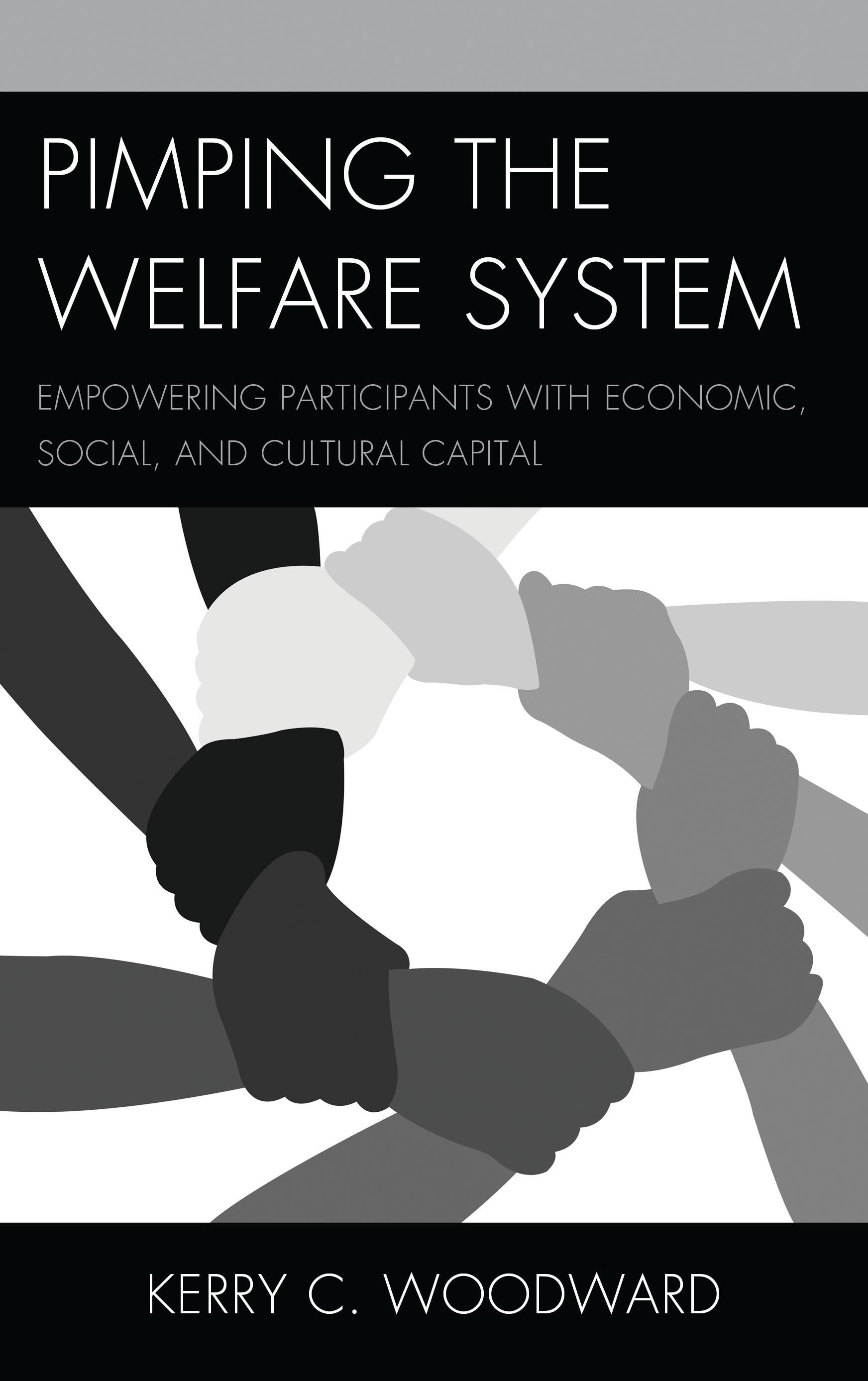
Based on ethnographic research in Contra Costa County, California (CCC), Pimping the Welfare System highlights a welfare program implemented after welfare reform that differed in significant ways from the predominant work first approach implemented by most welfare programs. The book argues that by imparting dominant economic, social, and cultural capital, CCC’s welfare program empowered participants and improved their quality of life and life chances. Successfully transmitting these types of capital, however, was dependent upon the discourses, practices, and pedagogy deployed by welfare workers—as well as the policies, practices, and resources of the welfare program. In particular, CCC’s welfare workers encouraged the acquisition and use of dominant capital (that which is desired by the labor market) by acknowledging and respecting the various types of capital welfare participants already had, and by encouraging participants to make strategic choices about deploying different types of capital. This book calls into question monolithic understandings of economic, social, and cultural capital and encourages a new conceptualization of capital that resists framing poor women as fundamentally “lacking.” In addition, it points to ways welfare administrators and welfare workers can develop more empowering programs even within the confines of federal, state, and local regulations.
Betal nemt med kort, Klarna, Apple Pay eller Google Pay. Ikke tilfreds? Du har altid 14 dages fortrydelsesret. Læs mere i vores vilkår. Har du spørgsmål, så send os en mail på hello@memmo.org.
Memmo gør det nemmere at studere – uanset hvor du er i verden. Hos os samler du dine kursusbøger og smarte studieværktøjer ét sted: resuméer, quizzer, podcasts og flashcards. Og så er der Ted, din studieven, der svarer på alt, du undrer dig over. Over 50 000 studerende studerer allerede her – bygget til at hjælpe dig med at lære hurtigere og stresse mindre.