
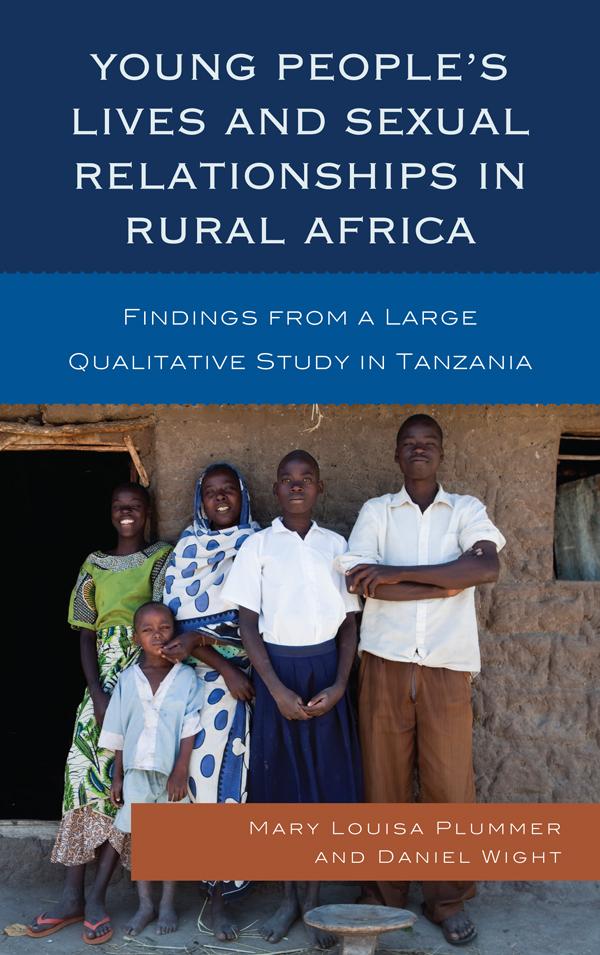
New infections with HIV remain an urgent problem among young people in Africa, but many young Africans pursue sexual relationships with little thought about the epidemic. This book examines young people's sexual relationships in a region typical of rural sub-Saharan Africa and investigates why the risk of HIV infection generally was not a salient concern for them. It is based on an extraordinarily large and representative qualitative study that was affiliated with an adolescent sexual health intervention trial and included three person-years of participant observation conducted by young East Africans in nine Tanzanian villages.
The book describes typical patterns of sexual relationship formation in adolescence and early adult life, the variety of young people's relationships and practices, and the contradictory social ideals and expectations that led premarital and extramarital relationships to be concealed. Young men's main motivations for sex were pleasure and masculine identity, while young women's was to receive money or materials to meet their basic needs, such as soap or a daytime meal. By their late teens most young people had experienced one-time sexual encounters, open-ended opportunistic relationships, and "main" sometimes semi-public partnerships. Relationships could involve desire, possessiveness, and affection, but romantic idealization of a partner was rare. Many young people expected their partners to be monogamous, but themselves had had concurrent relationships by age 20. The practice of hiding premarital sexual relationships from adults often also concealed them from other sexual partners, which helped maintain concurrency and inhibited realistic risk perception. Understanding of the biology of HIV/AIDS was very limited. Condoms were rarely used because they were associated with reduced pleasure, infection and promiscuity. Sexually transmitted infections were common, but several factors hindered young people from seeking biomedical treatment for them. Many instead relied on tradit
The book describes typical patterns of sexual relationship formation in adolescence and early adult life, the variety of young people's relationships and practices, and the contradictory social ideals and expectations that led premarital and extramarital relationships to be concealed. Young men's main motivations for sex were pleasure and masculine identity, while young women's was to receive money or materials to meet their basic needs, such as soap or a daytime meal. By their late teens most young people had experienced one-time sexual encounters, open-ended opportunistic relationships, and "main" sometimes semi-public partnerships. Relationships could involve desire, possessiveness, and affection, but romantic idealization of a partner was rare. Many young people expected their partners to be monogamous, but themselves had had concurrent relationships by age 20. The practice of hiding premarital sexual relationships from adults often also concealed them from other sexual partners, which helped maintain concurrency and inhibited realistic risk perception. Understanding of the biology of HIV/AIDS was very limited. Condoms were rarely used because they were associated with reduced pleasure, infection and promiscuity. Sexually transmitted infections were common, but several factors hindered young people from seeking biomedical treatment for them. Many instead relied on tradit
Betal nemt med kort, Klarna, Apple Pay eller Google Pay. Ikke tilfreds? Du har altid 14 dages fortrydelsesret. Læs mere i vores vilkår. Har du spørgsmål, så send os en mail på hello@memmo.org.
Memmo gør det nemmere at studere – uanset hvor du er i verden. Hos os samler du dine kursusbøger og smarte studieværktøjer ét sted: resuméer, quizzer, podcasts og flashcards. Og så er der Ted, din studieven, der svarer på alt, du undrer dig over. Over 50 000 studerende studerer allerede her – bygget til at hjælpe dig med at lære hurtigere og stresse mindre.