
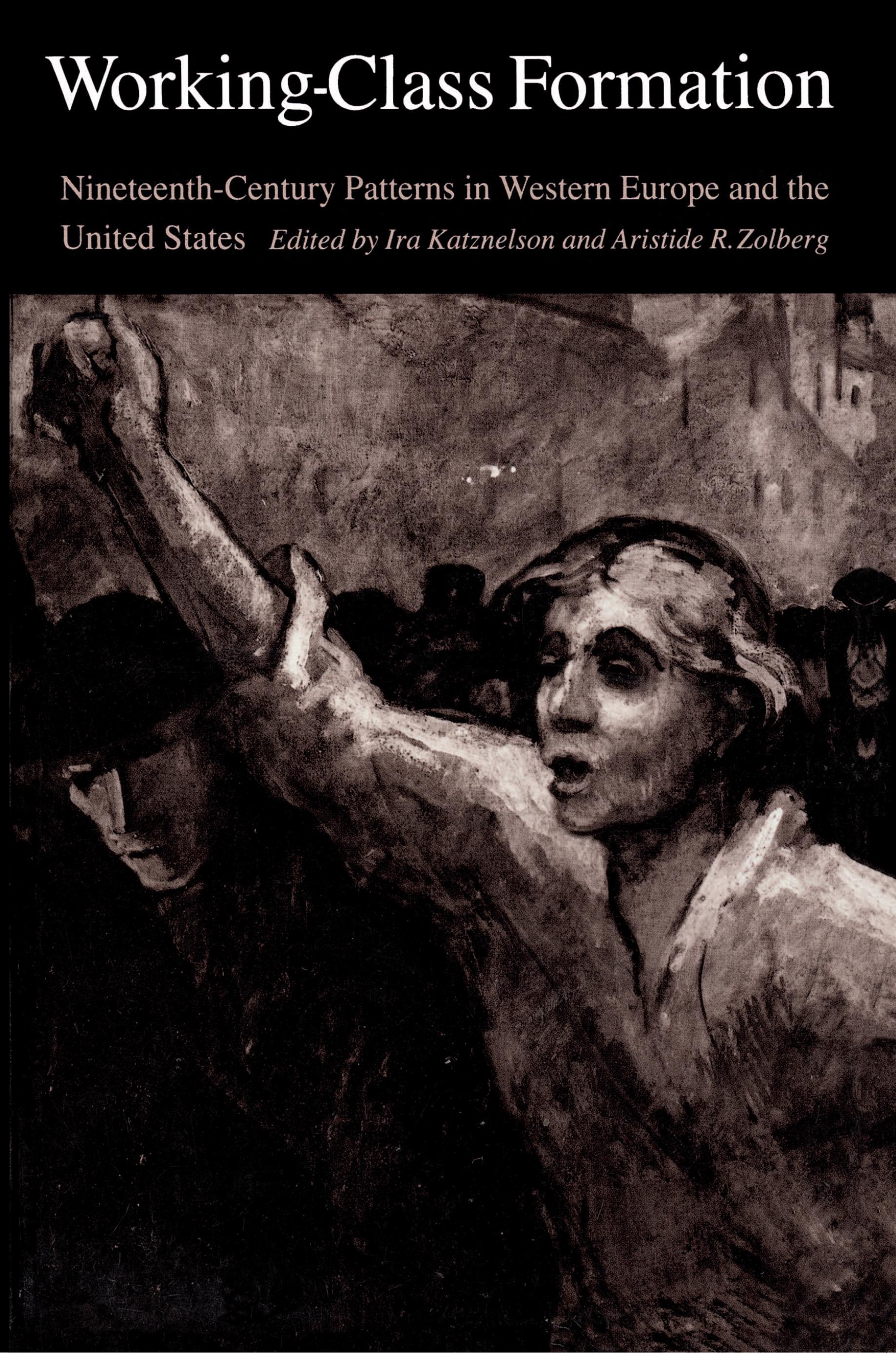
Applying an original theoretical framework, an international group of historians and social scientists here explores how class, rather than other social bonds, became central to the ideologies, dispositions, and actions of working people, and how this process was translated into diverse institutional legacies and political outcomes. Focusing principally on France. Germany, and the United States, the contributors examine the historically contingent connections between class, as objectively structured and experienced, and collective perceptions and responses as they develop in work, community, and politics.
Following Ira Katznelson's introduction of the analytical concepts, William H. Sewell, Jr., Michelle Perrot, and Alain Cottereau discuss France; Amy Bridges and Martin Shefter, the United States; and Jargen Kocka and Mary Nolan, Germany. The conclusion by Aristide R. Zolberg comments on working-class formation up to World War I, including developments in Great Britain, and challenges conventional wisdom about class and politics in the industrializing West.
Betal nemt med kort, Klarna, Apple Pay eller Google Pay. Ikke tilfreds? Du har altid 14 dages fortrydelsesret. Læs mere i vores vilkår. Har du spørgsmål, så send os en mail på hello@memmo.org.
Memmo gør det nemmere at studere – uanset hvor du er i verden. Hos os samler du dine kursusbøger og smarte studieværktøjer ét sted: resuméer, quizzer, podcasts og flashcards. Og så er der Ted, din studieven, der svarer på alt, du undrer dig over. Over 50 000 studerende studerer allerede her – bygget til at hjælpe dig med at lære hurtigere og stresse mindre.