
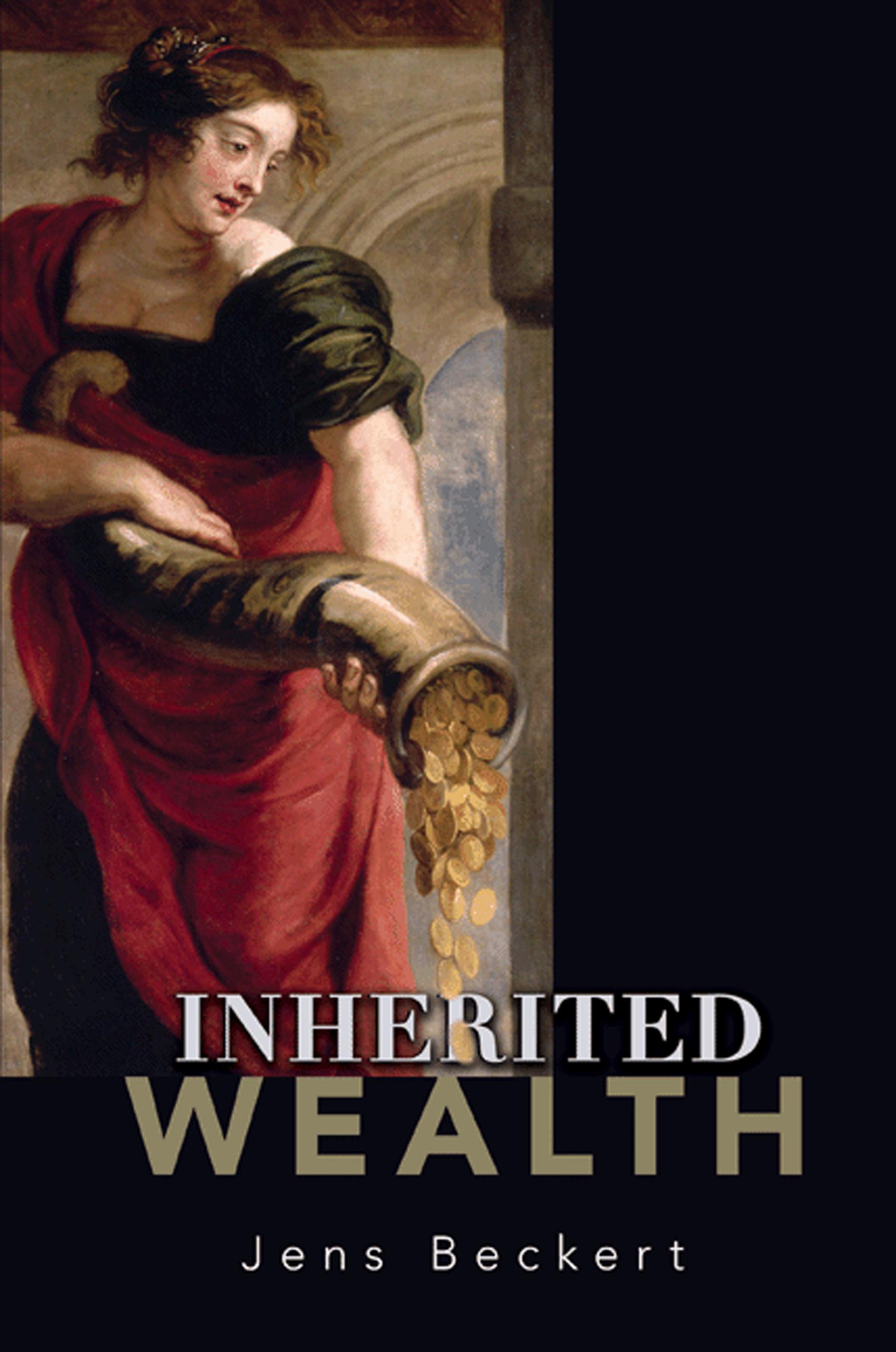
How to regulate the transfer of wealth from one generation to the next has been hotly debated among politicians, legal scholars, sociologists, economists, and philosophers for centuries. Bequeathing wealth is a vital ingredient of family solidarity. But does the reproduction of social inequality through inheritance square with the principle of equal opportunity? Does democracy suffer when family wealth becomes political power?
The first in-depth, comparative study of the development of inheritance law in the United States, France, and Germany, Inherited Wealth investigates longstanding political and intellectual debates over inheritance laws and explains why these laws still differ so greatly among these countries. Using a sociological perspective, Jens Beckert sheds light on the four most controversial issues in inheritance law during the past two centuries: the freedom to dispose of one's property as one wishes, the rights of family members to the wealth bequeathed, the dissolution of entails (which restrict inheritance to specific classes of heirs), and estate taxation. Beckert shows that while the United States, France, and Germany have all long defended inheritance rights based on the notion of individual property rights, they have justified limitations on inheritance rights in profoundly different ways, reflecting culturally specific ways of understanding the problems of inherited wealth.
Betal nemt med kort, Klarna, Apple Pay eller Google Pay. Ikke tilfreds? Du har altid 14 dages fortrydelsesret. Læs mere i vores vilkår. Har du spørgsmål, så send os en mail på hello@memmo.org.
Memmo gør det nemmere at studere – uanset hvor du er i verden. Hos os samler du dine kursusbøger og smarte studieværktøjer ét sted: resuméer, quizzer, podcasts og flashcards. Og så er der Ted, din studieven, der svarer på alt, du undrer dig over. Over 50 000 studerende studerer allerede her – bygget til at hjælpe dig med at lære hurtigere og stresse mindre.