
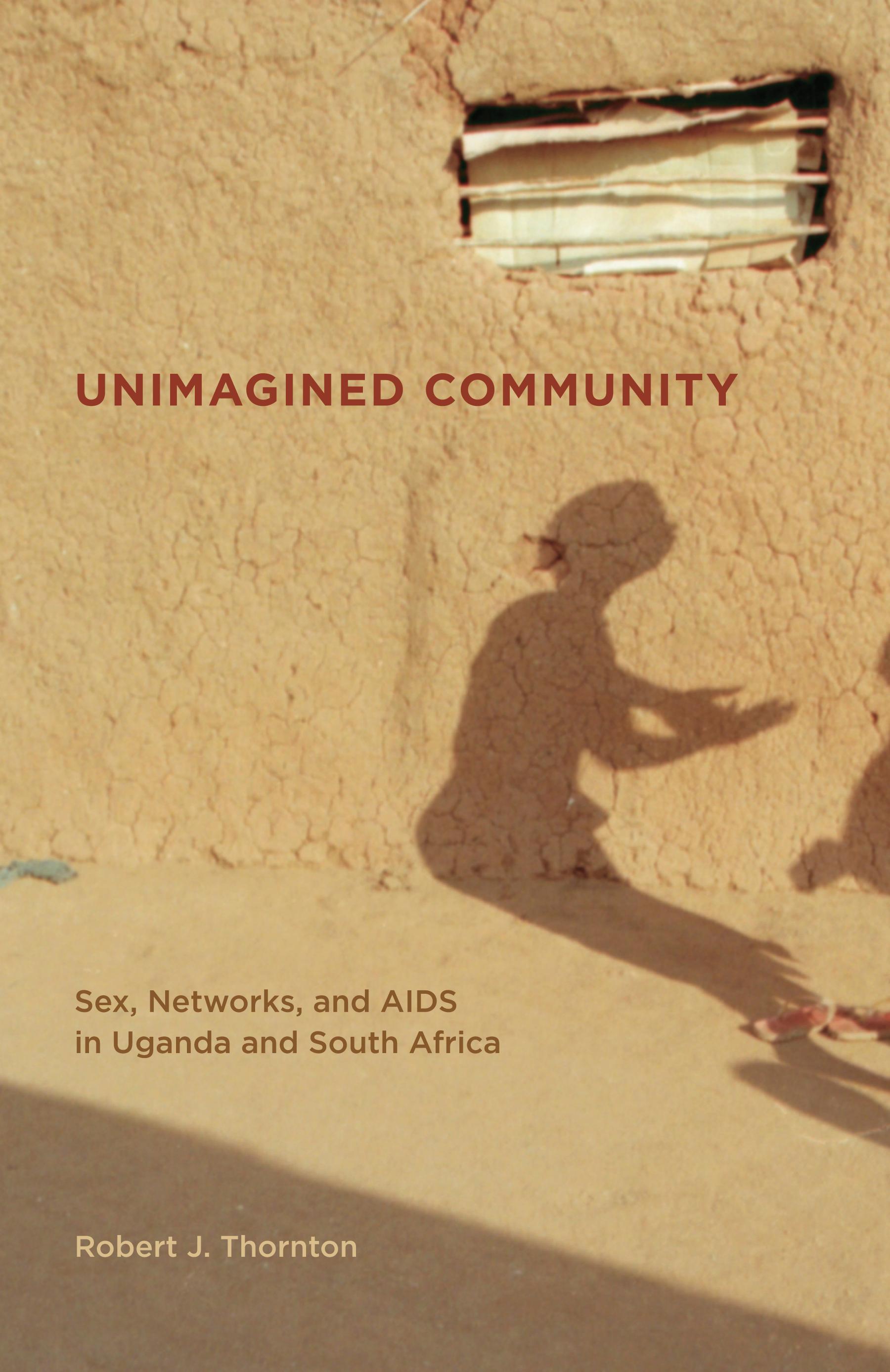
This groundbreaking work, with its unique anthropological approach, sheds new light on a central conundrum surrounding AIDS in Africa. Robert J. Thornton explores why HIV prevalence fell during the 1990s in Uganda despite that country's having one of Africa's highest fertility rates, while during the same period HIV prevalence rose in South Africa, the country with Africa's lowest fertility rate. Thornton finds that culturally and socially determined differences in the structure of sexual networks—rather than changes in individual behavior—were responsible for these radical differences in HIV prevalence. Incorporating such factors as property, mobility, social status, and political authority into our understanding of AIDS transmission, Thornton's analysis also suggests new avenues for fighting the disease worldwide.
Betal nemt med kort, Klarna, Apple Pay eller Google Pay. Ikke tilfreds? Du har altid 14 dages fortrydelsesret. Læs mere i vores vilkår. Har du spørgsmål, så send os en mail på hello@memmo.org.
Memmo gør det nemmere at studere – uanset hvor du er i verden. Hos os samler du dine kursusbøger og smarte studieværktøjer ét sted: resuméer, quizzer, podcasts og flashcards. Og så er der Ted, din studieven, der svarer på alt, du undrer dig over. Over 50 000 studerende studerer allerede her – bygget til at hjælpe dig med at lære hurtigere og stresse mindre.
Du kan måske også lide
Køb bogen0