
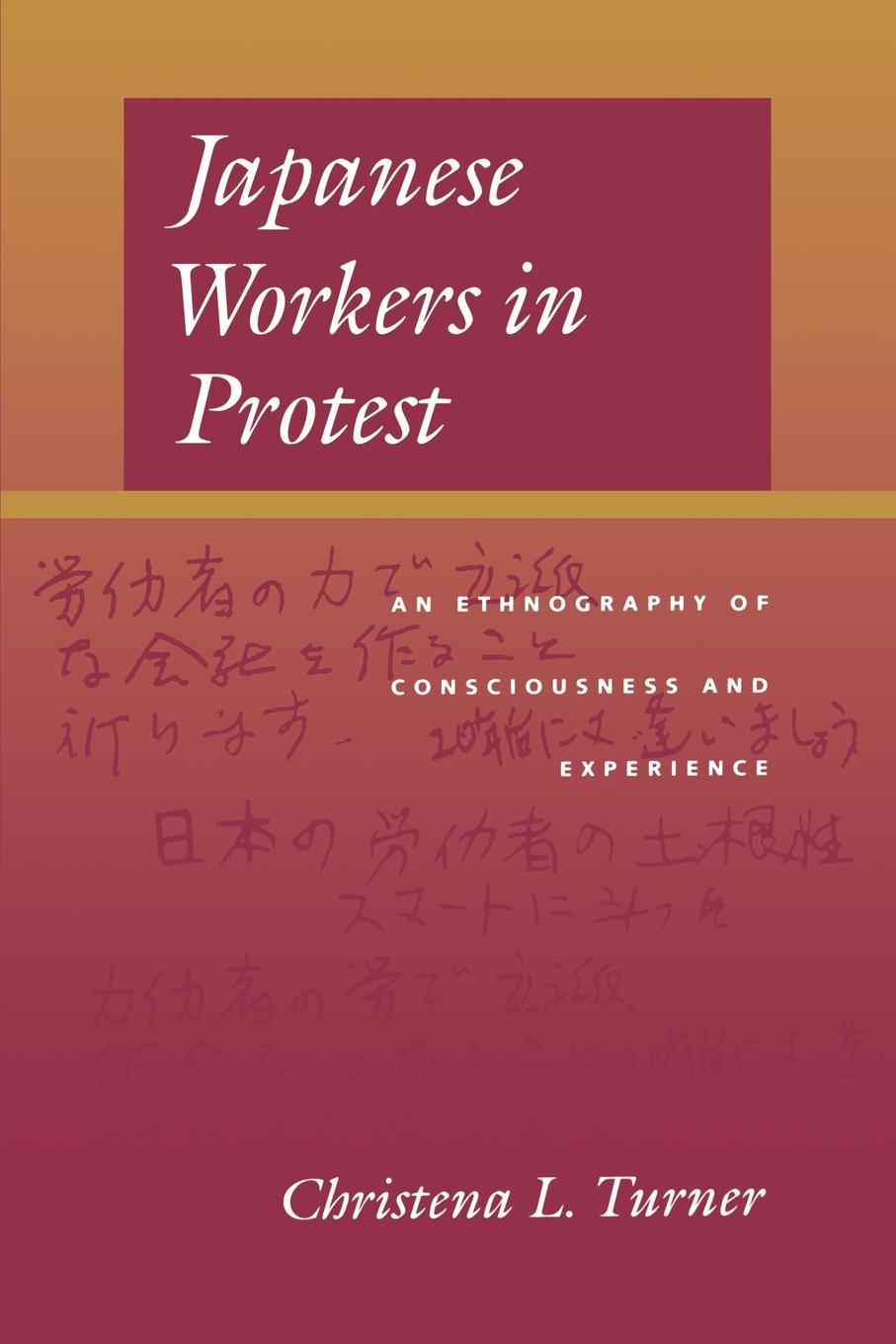
This first ethnographic study of factory workers engaged in radical labor protest gives a voice to a segment of the Japanese population that has been previously marginalized. These blue-collar workers, involved in prolonged labor disputes, tell their own story as they struggle to make sense of their lives and their culture during a time of conflict and instability. What emerges is a sensitive portrait of how workers grapple with a slowed economy and the contradictions of Japanese industry in the late postwar era. The ways that they think and feel about accommodation, resistance, and protest raise essential questions about the transformation of labor practices and limits of worker cooperation and compliance.
This first ethnographic study of factory workers engaged in radical labor protest gives a voice to a segment of the Japanese population that has been previously marginalized. These blue-collar workers, involved in prolonged labor disputes, tell their own
This first ethnographic study of factory workers engaged in radical labor protest gives a voice to a segment of the Japanese population that has been previously marginalized. These blue-collar workers, involved in prolonged labor disputes, tell their own
Betal nemt med kort, Klarna, Apple Pay eller Google Pay. Ikke tilfreds? Du har altid 14 dages fortrydelsesret. Læs mere i vores vilkår. Har du spørgsmål, så send os en mail på hello@memmo.org.
Memmo gør det nemmere at studere – uanset hvor du er i verden. Hos os samler du dine kursusbøger og smarte studieværktøjer ét sted: resuméer, quizzer, podcasts og flashcards. Og så er der Ted, din studieven, der svarer på alt, du undrer dig over. Over 50 000 studerende studerer allerede her – bygget til at hjælpe dig med at lære hurtigere og stresse mindre.
Du kan måske også lide
Køb bogen0