
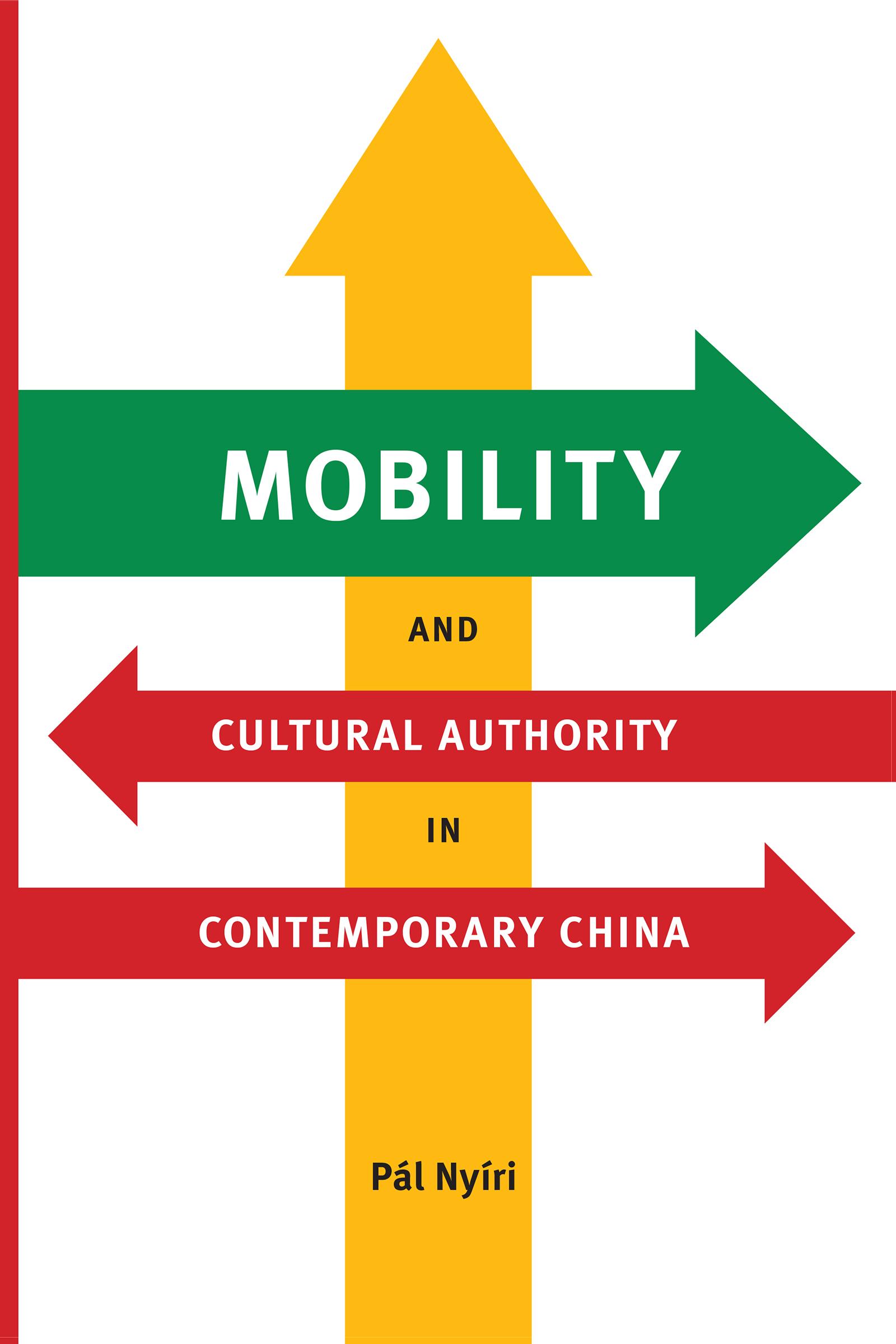
Chinese citizens are becoming increasingly mobile, both inside China and abroad, as migrant workers, tourists, and students. China is caught between perceived benefits and dangers posed by mobility, complicated by the government’s own conflicting impulses to support and discourage it. Mobility and Cultural Authority in Contemporary China demonstrates this intricate balance through an in-depth look at patterns of migration and state response.
Pál Nyíri argues that the loosening of China’s restrictions on internal and international migration, its promotion of domestic tourism, and its increasingly positive portrayal of migrants all follow a similar logic in which mobility comes to epitomize a new and modern China. Yet the loosening of administrative control is compensated by the imposition of cultural control over how mobility is represented and how mobile citizens make sense of their new experiences, as well as by continued restrictions on types of movement that are seen as undesirable.
With ever-growing popular and academic scrutiny of the topic of national and international migration, this compact, engrossing, and timely study is well poised to be read widely by scholars interested in globalization, nationalization, modernization, tourism, and modern China.
Betal nemt med kort, Klarna, Apple Pay eller Google Pay. Ikke tilfreds? Du har altid 14 dages fortrydelsesret. Læs mere i vores vilkår. Har du spørgsmål, så send os en mail på hello@memmo.org.
Memmo gør det nemmere at studere – uanset hvor du er i verden. Hos os samler du dine kursusbøger og smarte studieværktøjer ét sted: resuméer, quizzer, podcasts og flashcards. Og så er der Ted, din studieven, der svarer på alt, du undrer dig over. Over 50 000 studerende studerer allerede her – bygget til at hjælpe dig med at lære hurtigere og stresse mindre.