
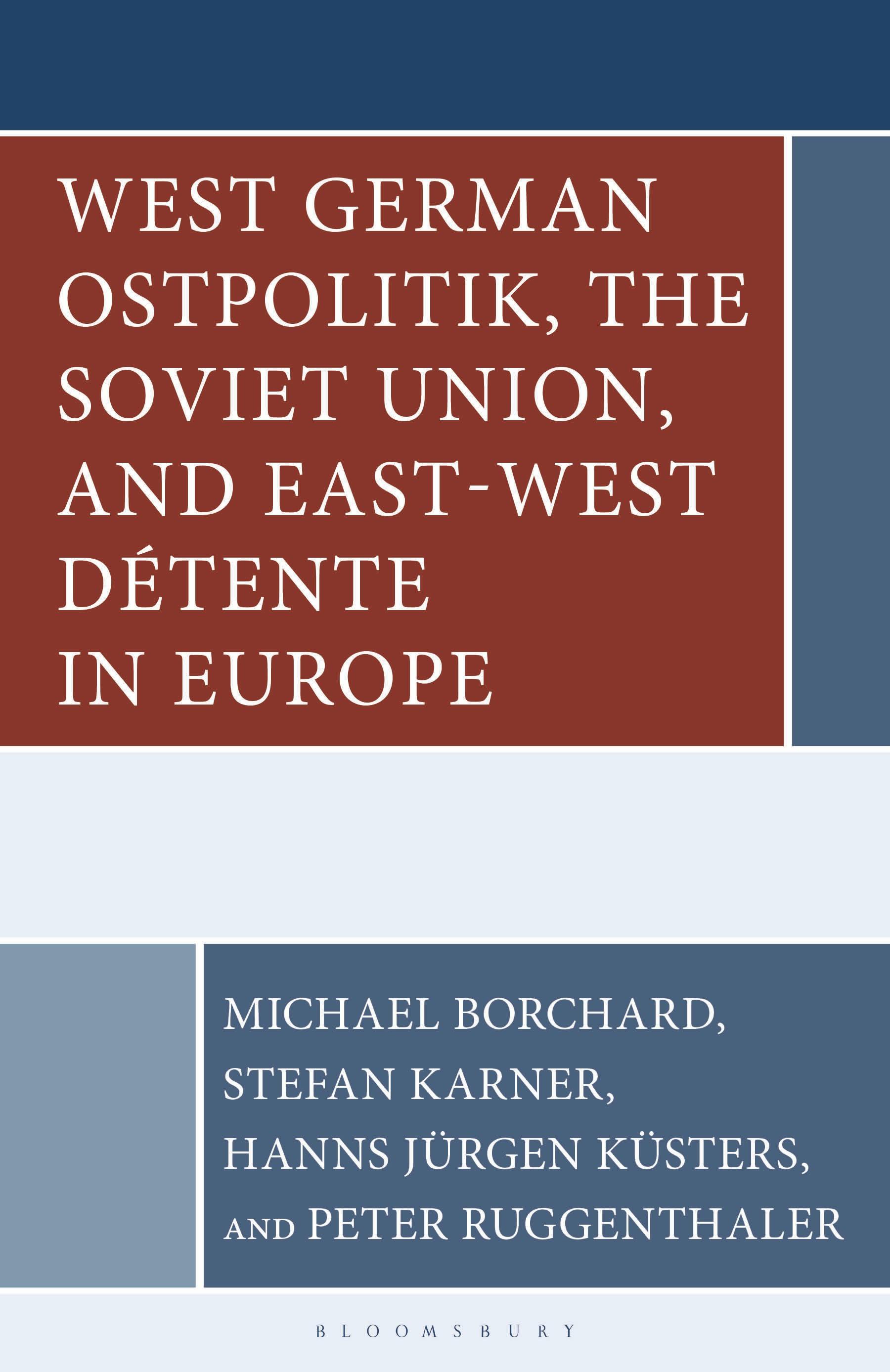
West German Ostpolitik, the Soviet Union, and East-West Détente in Europe explores how the détente policy changed the character of the Cold War.
The Moscow files, now opened for the first time show 50 years later, reveal new insights and implications into the creation and implementation of the détente policy. This collection offers a detailed examination of European security from the mid-1960s to the mid-1970s with focus on five areas: 1) the first stirrings of détente in West German-Soviet relations, the framework conditions of domestic and foreign policy on the two sides and the extent to which interests ultimately enshrined in treaties were contradictory and/or compatible; 2) the preconditions of détente in the first half of the Brezhnev era; 3) economic interests as a driving force of political change; 4) the consequences of the Treaty of Moscow for East European states; and 5) the consequences of the Transatlantic partnership. The contributors highlight the complexity of domestic and international considerations that produced Ostpolitik and the subsequent emergence of long-term East-West détente in Europe, while offering the argument that Eastern policies and détente only came to fruition after the climax of the Cold War.
The Moscow files, now opened for the first time show 50 years later, reveal new insights and implications into the creation and implementation of the détente policy. This collection offers a detailed examination of European security from the mid-1960s to the mid-1970s with focus on five areas: 1) the first stirrings of détente in West German-Soviet relations, the framework conditions of domestic and foreign policy on the two sides and the extent to which interests ultimately enshrined in treaties were contradictory and/or compatible; 2) the preconditions of détente in the first half of the Brezhnev era; 3) economic interests as a driving force of political change; 4) the consequences of the Treaty of Moscow for East European states; and 5) the consequences of the Transatlantic partnership. The contributors highlight the complexity of domestic and international considerations that produced Ostpolitik and the subsequent emergence of long-term East-West détente in Europe, while offering the argument that Eastern policies and détente only came to fruition after the climax of the Cold War.
Paga facilmente con carta, Klarna, Apple Pay o Google Pay. Non sei soddisfatto? Hai sempre 14 giorni per il rimborso. Leggi di più nei nostri termini. Per qualsiasi domanda, scrivici a hello@memmo.org.
Memmo rende lo studio più facile, ovunque tu sia nel mondo. Qui trovi i tuoi libri di testo e strumenti di studio intelligenti, tutto in un unico posto: riassunti, quiz, podcast e flashcard. E poi c'è Ted, il tuo compagno di studio che risponde a ogni tua domanda. Oltre 50.000 studenti studiano già qui: è stato creato per aiutarti a imparare più velocemente e a stressarti meno.