
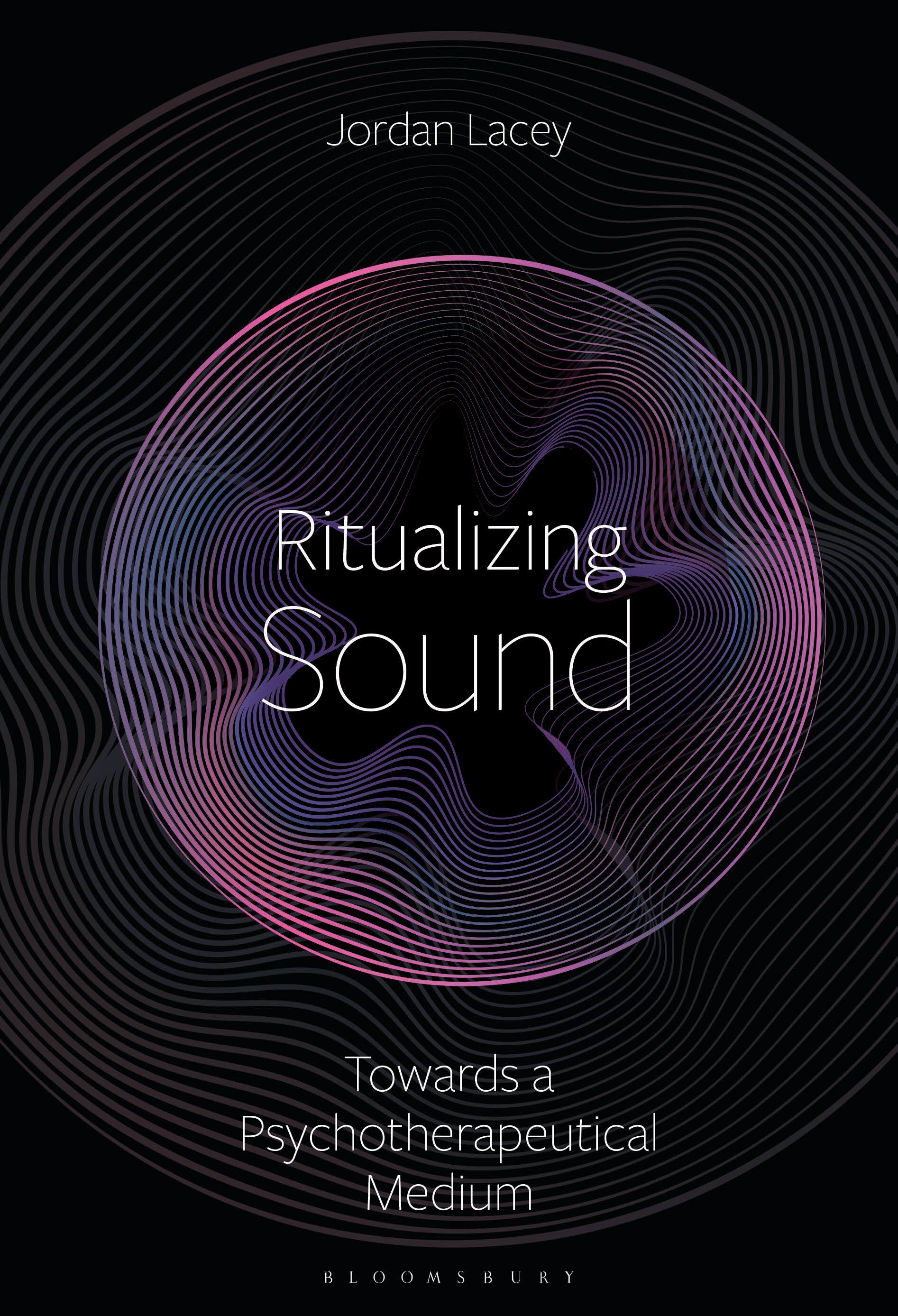
Following on previous publications Sonic Rupture (Bloomsbury, 2016) and Urban Roar (Bloomsbury, 2022), which cover soundscape design and urban transformation, Jordan Lacey's Ritualizing Sound tackles how to ethically apply sound and ritual to creative arts and design practices.
Techno-capitalism is extractive of resources and of people's capacity to connect meaningfully with the earth and one another. Extractive practices are those that draw on natural resources without allowing for material or spiritual replenishment, a process that is extrapolated to social relations including the human and the non-human. In Ritualizing Sound, ritual is offered as a reciprocal, non-extractive practice that builds relationships. In particular, First Nations' scholarship and philosophy on ceremony and ritual, designed for relationship-building within communities and with the land, between individuals and families, and with the earth, are centred, with the author exploring ways to ethically learn from and apply these practices to sound studies. A theoretical pathway for sound, voice and bodily practices is offered, which the author terms psychotherapeutical materialism.
The book explores these ethical approaches to sound and ritual through various examples of artists – historical and contemporary – who follow these practices already including an extended investigation of the author's own creative practice projects, which builds on methods developed in his two prior books. The conversation expands beyond sound installations and sound art events to include performance-based works and environmental sculptures (incidental and designed) for understanding the role of sound-as thinking and practice-in deepening one's relationship with the environment. In so doing, Ritualizing Sound asks how our bodies might entangle with more-than-human forces to heal human-culture-planetary relationships.
Techno-capitalism is extractive of resources and of people's capacity to connect meaningfully with the earth and one another. Extractive practices are those that draw on natural resources without allowing for material or spiritual replenishment, a process that is extrapolated to social relations including the human and the non-human. In Ritualizing Sound, ritual is offered as a reciprocal, non-extractive practice that builds relationships. In particular, First Nations' scholarship and philosophy on ceremony and ritual, designed for relationship-building within communities and with the land, between individuals and families, and with the earth, are centred, with the author exploring ways to ethically learn from and apply these practices to sound studies. A theoretical pathway for sound, voice and bodily practices is offered, which the author terms psychotherapeutical materialism.
The book explores these ethical approaches to sound and ritual through various examples of artists – historical and contemporary – who follow these practices already including an extended investigation of the author's own creative practice projects, which builds on methods developed in his two prior books. The conversation expands beyond sound installations and sound art events to include performance-based works and environmental sculptures (incidental and designed) for understanding the role of sound-as thinking and practice-in deepening one's relationship with the environment. In so doing, Ritualizing Sound asks how our bodies might entangle with more-than-human forces to heal human-culture-planetary relationships.
Pagine: 208
Categoria: Konst, Design & Fotografi
e-ISBN: 9798765135280
Peso di spedizione: 1.2 kg
Spedito in: 1-2 giorni
Paga facilmente con carta, Klarna, Apple Pay o Google Pay. Non sei soddisfatto? Hai sempre 14 giorni per il rimborso. Leggi di più nei nostri termini. Per qualsiasi domanda, scrivici a hello@memmo.org.
Memmo rende lo studio più facile, ovunque tu sia nel mondo. Qui trovi i tuoi libri di testo e strumenti di studio intelligenti, tutto in un unico posto: riassunti, quiz, podcast e flashcard. E poi c'è Ted, il tuo compagno di studio che risponde a ogni tua domanda. Oltre 50.000 studenti studiano già qui: è stato creato per aiutarti a imparare più velocemente e a stressarti meno.