
Runner-up Best Monograph, BAFTSS Publication Awards 2025
Operating between film theory, media philosophy, archival practice, and audiovisual research, Jiri Anger focuses on the relationship between figuration and materiality in early films, experimental found footage cinema, and video essays.
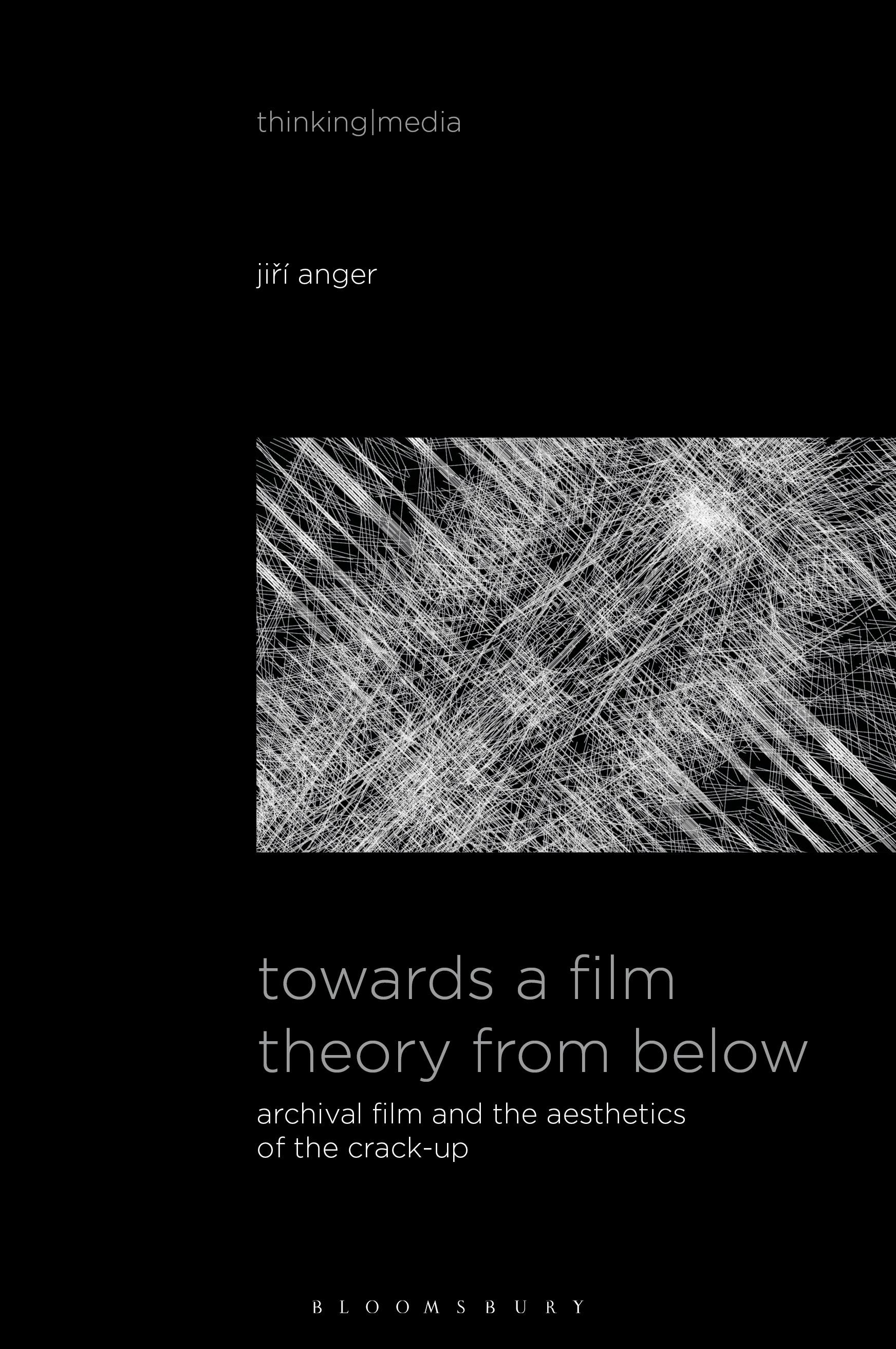
Would it be possible to do film theory from below, through the perspective of moving-image objects, of their multifarious details and facets, however marginal, unintentional, or aleatory they might be? Could we treat scratches, stains, and shakes in archival footage as speculatively and aesthetically generative features? Do these material actors have the capacity to create “weird shapes” within the figurative image that decenter, distort, and transform the existing conceptual and methodological frameworks?
Building on his theoretical as well as practical experience with the recently digitized corpus of the first Czech films, created by Jan Kríženecký between 1898 and 1911, the author demonstrates how technological defects and accidents in archival films shape their aesthetic function and our understanding of the materiality of film in the digital age. The specific clashes between the figurative and material spheres are understood through the concept of a “crack-up.” This term, developed by Francis Scott Fitzgerald and theoretically reimagined by Gilles Deleuze, allows us to capture the convoluted relationship between figuration and materiality as inherent to the medium of film, containing negativity and productivity, difference and simultaneity, contingency and fate, at the same time, even within the tiniest cinematic units.
Operating between film theory, media philosophy, archival practice, and audiovisual research, Jiri Anger focuses on the relationship between figuration and materiality in early films, experimental found footage cinema, and video essays.
Would it be possible to do film theory from below, through the perspective of moving-image objects, of their multifarious details and facets, however marginal, unintentional, or aleatory they might be? Could we treat scratches, stains, and shakes in archival footage as speculatively and aesthetically generative features? Do these material actors have the capacity to create “weird shapes” within the figurative image that decenter, distort, and transform the existing conceptual and methodological frameworks?
Building on his theoretical as well as practical experience with the recently digitized corpus of the first Czech films, created by Jan Kríženecký between 1898 and 1911, the author demonstrates how technological defects and accidents in archival films shape their aesthetic function and our understanding of the materiality of film in the digital age. The specific clashes between the figurative and material spheres are understood through the concept of a “crack-up.” This term, developed by Francis Scott Fitzgerald and theoretically reimagined by Gilles Deleuze, allows us to capture the convoluted relationship between figuration and materiality as inherent to the medium of film, containing negativity and productivity, difference and simultaneity, contingency and fate, at the same time, even within the tiniest cinematic units.
Pagine: 232
Categoria: Film- & Medievetenskap
e-ISBN: 9798765107287
Peso di spedizione: 1.2 kg
Spedito in: 1-2 giorni
Paga facilmente con carta, Klarna, Apple Pay o Google Pay. Non sei soddisfatto? Hai sempre 14 giorni per il rimborso. Leggi di più nei nostri termini. Per qualsiasi domanda, scrivici a hello@memmo.org.
Memmo rende lo studio più facile, ovunque tu sia nel mondo. Qui trovi i tuoi libri di testo e strumenti di studio intelligenti, tutto in un unico posto: riassunti, quiz, podcast e flashcard. E poi c'è Ted, il tuo compagno di studio che risponde a ogni tua domanda. Oltre 50.000 studenti studiano già qui: è stato creato per aiutarti a imparare più velocemente e a stressarti meno.