
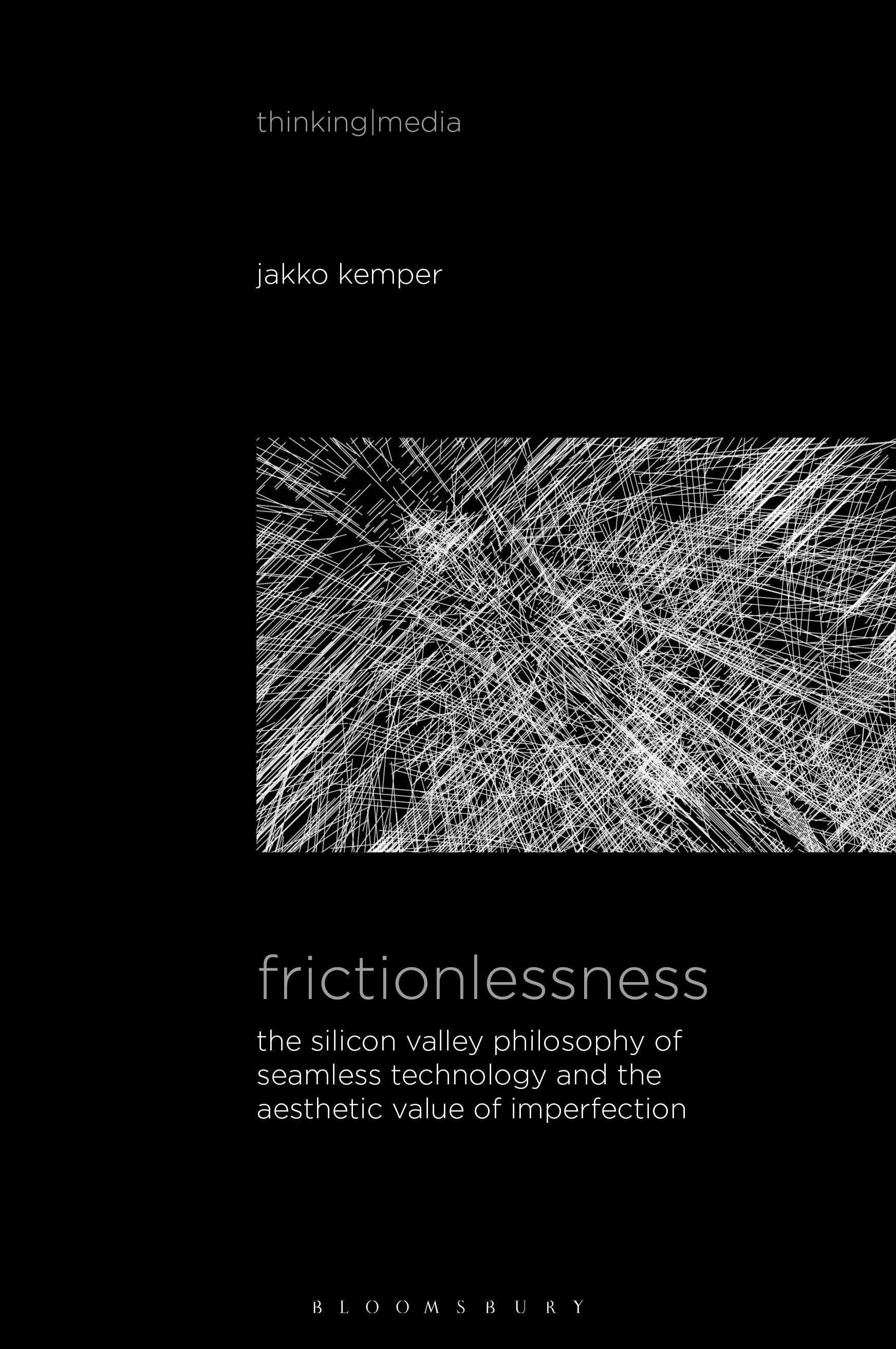
Frictionlessness provides an examination of the environmentally destructive digital design philosophy of "frictionlessness" and the critical significance of a technological aesthetic of imperfection.
If there is one thing that defines digital consumer technologies today, it is that they are designed to feel frictionless. From smart technologies to cloud computing, from from one-click shopping to the promise of seamless streaming-digital technology is framed to host ever-faster operations while receding increasingly into the background of perception. The environmental costs of this fetishization of frictionlessness are enormous and unevenly distributed; the frictionless experience of the end user tends to be supported by opaque networks of exploited labor and extracted resources that disproportionately impact the Global South. This situation marks an urgent need for alternate, less destructive aesthetic relations to technology. As such, this book examines imperfection, as an aesthetic concept that highlights existential conditions of finitude and fragility, as a particularly powerful counterweight to the dominant digital design philosophy of frictionlessness.
While frictionlessness aims to draw the user's perception away from the exploitative and destructive conditions of digital production, imperfection forms an aesthetic source of friction that alerts users to the fragile nature of technology and the finite resources on which it relies. These arguments are elaborated through a close reading of three technological objects-a video game that was programmed to expire, an audiovisual performance that laments the fate of disused technology and a collection of music albums that dramatize a techno-cultural logic of relentless consumerism. Together, these case studies underline the value of technological aesthetics of imperfection and point to the need for a renewed ethics of care in relation to technology.
If there is one thing that defines digital consumer technologies today, it is that they are designed to feel frictionless. From smart technologies to cloud computing, from from one-click shopping to the promise of seamless streaming-digital technology is framed to host ever-faster operations while receding increasingly into the background of perception. The environmental costs of this fetishization of frictionlessness are enormous and unevenly distributed; the frictionless experience of the end user tends to be supported by opaque networks of exploited labor and extracted resources that disproportionately impact the Global South. This situation marks an urgent need for alternate, less destructive aesthetic relations to technology. As such, this book examines imperfection, as an aesthetic concept that highlights existential conditions of finitude and fragility, as a particularly powerful counterweight to the dominant digital design philosophy of frictionlessness.
While frictionlessness aims to draw the user's perception away from the exploitative and destructive conditions of digital production, imperfection forms an aesthetic source of friction that alerts users to the fragile nature of technology and the finite resources on which it relies. These arguments are elaborated through a close reading of three technological objects-a video game that was programmed to expire, an audiovisual performance that laments the fate of disused technology and a collection of music albums that dramatize a techno-cultural logic of relentless consumerism. Together, these case studies underline the value of technological aesthetics of imperfection and point to the need for a renewed ethics of care in relation to technology.
Pagine: 200
Categoria: Film- & Medievetenskap
e-ISBN: 9798765104453
Peso di spedizione: 1.2 kg
Spedito in: 1-2 giorni
Paga facilmente con carta, Klarna, Apple Pay o Google Pay. Non sei soddisfatto? Hai sempre 14 giorni per il rimborso. Leggi di più nei nostri termini. Per qualsiasi domanda, scrivici a hello@memmo.org.
Memmo rende lo studio più facile, ovunque tu sia nel mondo. Qui trovi i tuoi libri di testo e strumenti di studio intelligenti, tutto in un unico posto: riassunti, quiz, podcast e flashcard. E poi c'è Ted, il tuo compagno di studio che risponde a ogni tua domanda. Oltre 50.000 studenti studiano già qui: è stato creato per aiutarti a imparare più velocemente e a stressarti meno.