
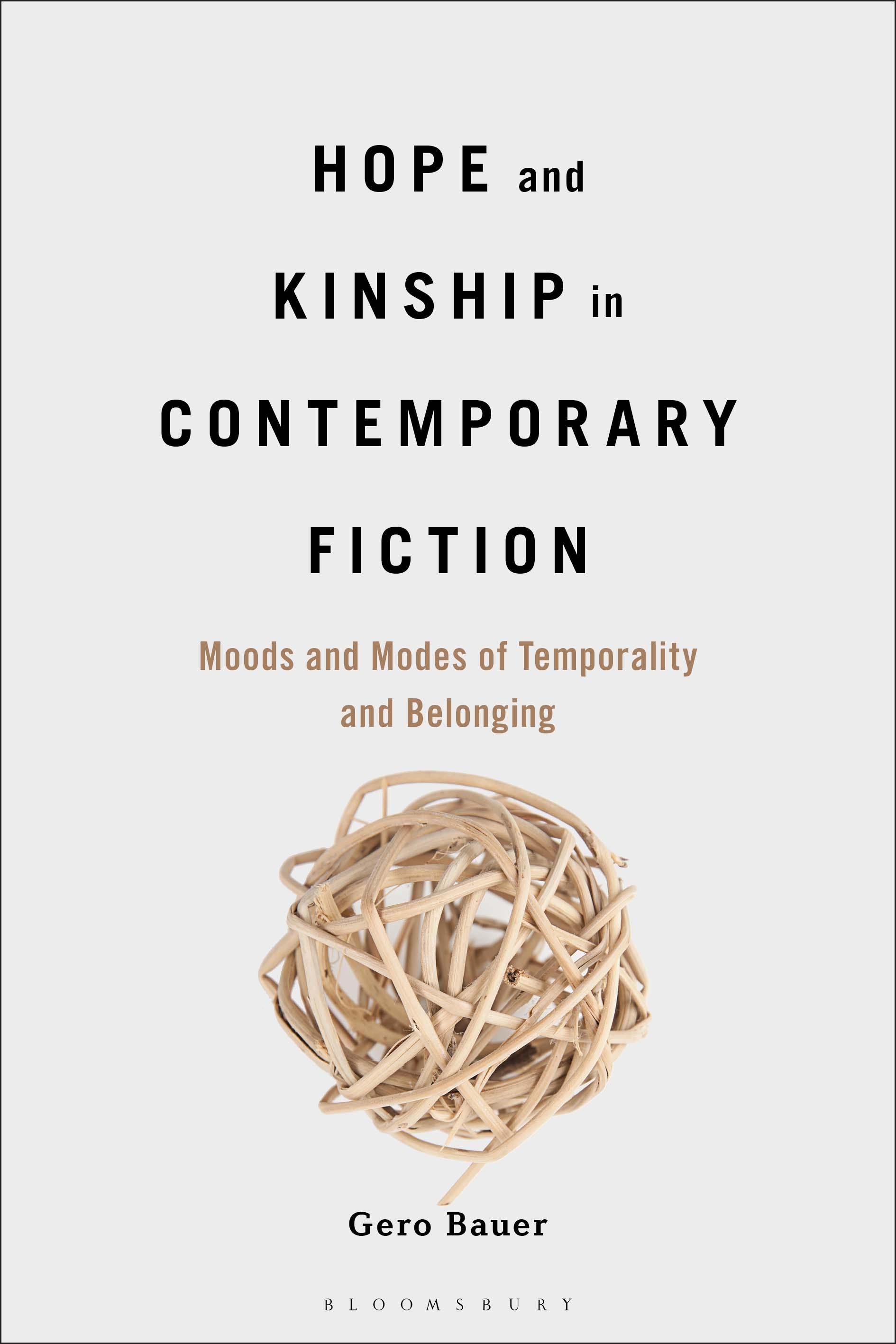
Explores the emphasis that contemporary novels, films and television series place on the present, arguing that hope emerges from the potentiality of the here and now, rather than the future, and as intimately entangled with negotiations of structures of belonging.
Taking its cue from an understanding of hope as connoting an organizing temporality, one which is often presumed to be projecting into a future, Hope and Kinship in Contemporary Fiction challenges this understanding, arguing that hope emerges in practices of relationality in the present, disentangling hope from a necessary correlation with futurity.
Through close readings of contemporary works, including The Road, The Walking Dead, Cloud Atlas, Sense8, The People in the Trees and A Little Life, Gero Bauer investigates how these texts explore structures of kinship as creative and affective practices of belonging and care that claim spaces beyond the heterosexual, reproductive nuclear family. In this context, fictional figurations of the child – often considered the bearer of the future – are of particular interest.
Through these interventions into definitions of and reflections on fictional manifestations of hope and kinship, Bauer's analyses intersect with queer theory, new materialism and postcritical approaches to literature and cultural studies, moving towards counterintuitively hopeful readings of the present moment.
Taking its cue from an understanding of hope as connoting an organizing temporality, one which is often presumed to be projecting into a future, Hope and Kinship in Contemporary Fiction challenges this understanding, arguing that hope emerges in practices of relationality in the present, disentangling hope from a necessary correlation with futurity.
Through close readings of contemporary works, including The Road, The Walking Dead, Cloud Atlas, Sense8, The People in the Trees and A Little Life, Gero Bauer investigates how these texts explore structures of kinship as creative and affective practices of belonging and care that claim spaces beyond the heterosexual, reproductive nuclear family. In this context, fictional figurations of the child – often considered the bearer of the future – are of particular interest.
Through these interventions into definitions of and reflections on fictional manifestations of hope and kinship, Bauer's analyses intersect with queer theory, new materialism and postcritical approaches to literature and cultural studies, moving towards counterintuitively hopeful readings of the present moment.
Paga facilmente con carta, Klarna, Apple Pay o Google Pay. Non sei soddisfatto? Hai sempre 14 giorni per il rimborso. Leggi di più nei nostri termini. Per qualsiasi domanda, scrivici a hello@memmo.org.
Memmo rende lo studio più facile, ovunque tu sia nel mondo. Qui trovi i tuoi libri di testo e strumenti di studio intelligenti, tutto in un unico posto: riassunti, quiz, podcast e flashcard. E poi c'è Ted, il tuo compagno di studio che risponde a ogni tua domanda. Oltre 50.000 studenti studiano già qui: è stato creato per aiutarti a imparare più velocemente e a stressarti meno.