
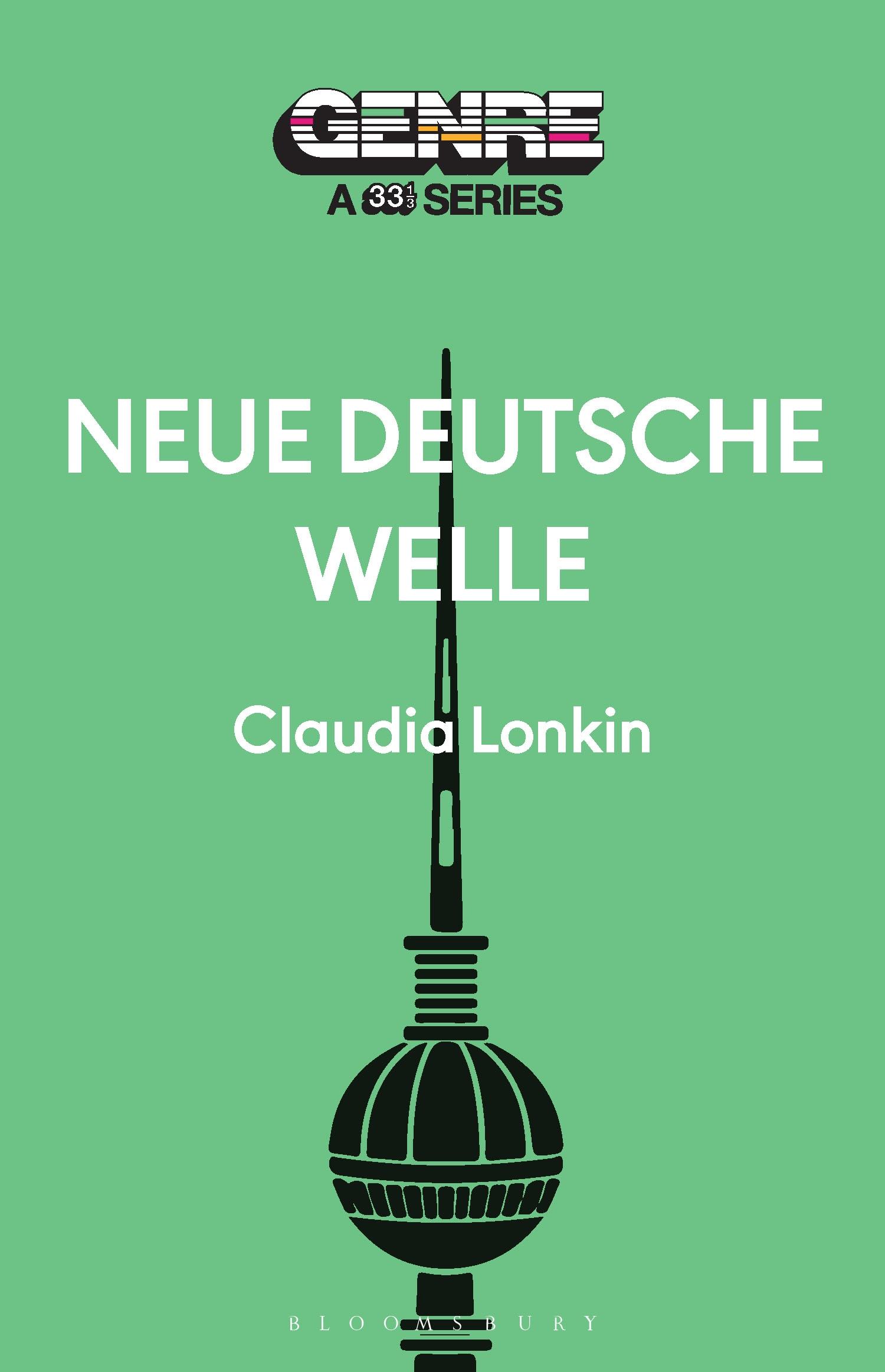
Neue Deutsche Welle (NDW), or “German New Wave,” was made extraordinarily popular in the 1970s and 1980s by the likes of Nena's "99 Luftballons" and Trio's "Da Da Da"-and then left as quickly as it came. Conventional wisdom among artists dictates that it's better to burn out than fade away, but this doesn't tell the full story of NDW-the reason for its rapid rise and fall, the historical context that necessitated the genre, and where the energy of the NDW movement went after its end.
The genre has international influences but still demonstrates a uniquely German desire to build a new, sanitized identity in the aftermath of World War II. Originally quite subversive and underground, NDW became exponentially more mainstream until it could no longer sustain itself creatively. And rather than disappearing, it helped give rise to the post-Cold War rave craze and is still an important touchstone in music history.
The genre has international influences but still demonstrates a uniquely German desire to build a new, sanitized identity in the aftermath of World War II. Originally quite subversive and underground, NDW became exponentially more mainstream until it could no longer sustain itself creatively. And rather than disappearing, it helped give rise to the post-Cold War rave craze and is still an important touchstone in music history.
Paga facilmente con carta, Klarna, Apple Pay o Google Pay. Non sei soddisfatto? Hai sempre 14 giorni per il rimborso. Leggi di più nei nostri termini. Per qualsiasi domanda, scrivici a hello@memmo.org.
Memmo rende lo studio più facile, ovunque tu sia nel mondo. Qui trovi i tuoi libri di testo e strumenti di studio intelligenti, tutto in un unico posto: riassunti, quiz, podcast e flashcard. E poi c'è Ted, il tuo compagno di studio che risponde a ogni tua domanda. Oltre 50.000 studenti studiano già qui: è stato creato per aiutarti a imparare più velocemente e a stressarti meno.