
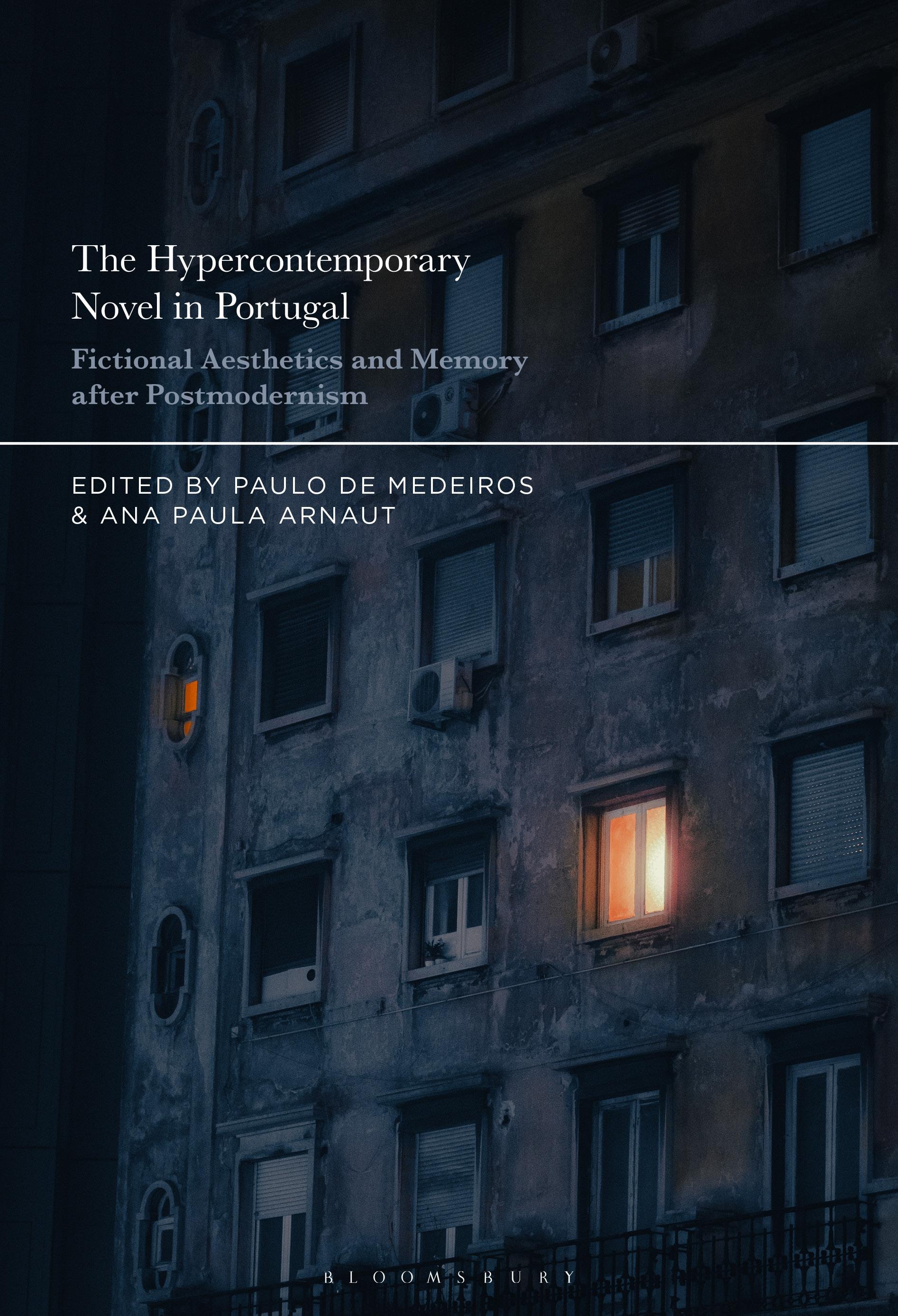
The first volume of critical essays on the contemporary Portuguese novel in English, this book theorizes the concept of the 'hypercontemporary' as a way of reading the novel after its postmodern period.
This inquiry into the notion of the hypercontemporary in its literary and cultural articulations analyzes a varied group of works representative of the most vibrant novels published in Portugal since 2000. The editors' introductory chapter theorizes the concept of the hypercontemporary as one way of looking at the novel after its postmodern period – especially in its relation to questions of violence, memory and performativity.
These essays show how the Portuguese novel has evolved in the past 25 years, and how, in their diversity, most of these novels exhibit several common traits, including new topics and writing strategies – sometimes developing further entropic lines characteristic of many Postmodern narratives – and themes of violence, rapid transformation, and the many threats to a contemporary world that seems mass-produced due to greater technological advances. Readings also discuss the use of innovative graphic forms available from current print technologies and global networks.
The Hypercontemporary Novel in Portugal provides a necessary understanding of the current literary landscape of Portugal and, in the process, the aesthetics of hyperrealism or post-postmodernism.
This inquiry into the notion of the hypercontemporary in its literary and cultural articulations analyzes a varied group of works representative of the most vibrant novels published in Portugal since 2000. The editors' introductory chapter theorizes the concept of the hypercontemporary as one way of looking at the novel after its postmodern period – especially in its relation to questions of violence, memory and performativity.
These essays show how the Portuguese novel has evolved in the past 25 years, and how, in their diversity, most of these novels exhibit several common traits, including new topics and writing strategies – sometimes developing further entropic lines characteristic of many Postmodern narratives – and themes of violence, rapid transformation, and the many threats to a contemporary world that seems mass-produced due to greater technological advances. Readings also discuss the use of innovative graphic forms available from current print technologies and global networks.
The Hypercontemporary Novel in Portugal provides a necessary understanding of the current literary landscape of Portugal and, in the process, the aesthetics of hyperrealism or post-postmodernism.
Paga facilmente con carta, Klarna, Apple Pay o Google Pay. Non sei soddisfatto? Hai sempre 14 giorni per il rimborso. Leggi di più nei nostri termini. Per qualsiasi domanda, scrivici a hello@memmo.org.
Memmo rende lo studio più facile, ovunque tu sia nel mondo. Qui trovi i tuoi libri di testo e strumenti di studio intelligenti, tutto in un unico posto: riassunti, quiz, podcast e flashcard. E poi c'è Ted, il tuo compagno di studio che risponde a ogni tua domanda. Oltre 50.000 studenti studiano già qui: è stato creato per aiutarti a imparare più velocemente e a stressarti meno.