
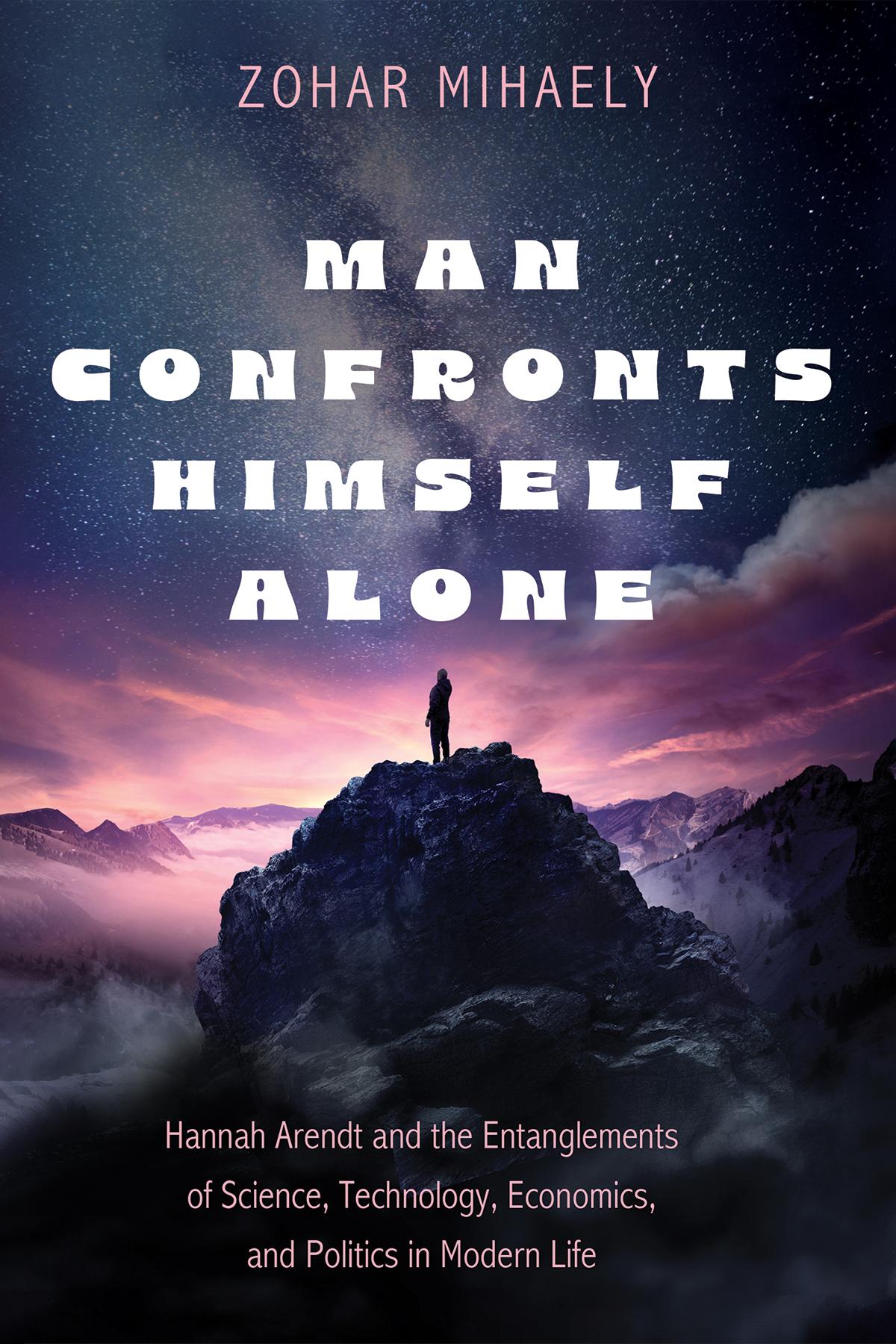
In 1957, the Russians launched the first satellite into space, marking the first time a man-made object broke through nature's limitations. In her iconic book The Human Condition, Hannah Arendt made the attempt to figure out the political implications of that seeming achievement. Her conclusion is that the astonishing scientific achievement of unprecedented control over terrestrial nature through the adoption of an outside-the-world "universal" perspective has shaped a prevailing mentality that sees the world, in which we have felt at home throughout history, as only optional. This has resulted in socioeconomic and political changes throughout modernity, ultimately reducing human ability to act politically. Many people today feel comfortable in a world shaped by science and technology. But Arendt warns us that there is hope for modern society if we can envision ways to make our active life worldly again. Mihaely's examination of Arendt's thoughts on science and politics stimulates the reader to rethink the authenticity of their freedom today.
Paga facilmente con carta, Klarna, Apple Pay o Google Pay. Non sei soddisfatto? Hai sempre 14 giorni per il rimborso. Leggi di più nei nostri termini. Per qualsiasi domanda, scrivici a hello@memmo.org.
Memmo rende lo studio più facile, ovunque tu sia nel mondo. Qui trovi i tuoi libri di testo e strumenti di studio intelligenti, tutto in un unico posto: riassunti, quiz, podcast e flashcard. E poi c'è Ted, il tuo compagno di studio che risponde a ogni tua domanda. Oltre 50.000 studenti studiano già qui: è stato creato per aiutarti a imparare più velocemente e a stressarti meno.
Potrebbe interessarti anche
Acquista il libro0